




Construction of a 12-lane replacement of the Woodrow Wilson Bridge in Washington, DC, is set to go forward after a court decision last week.
The bridge, the only one in the nation that is federally owned, is a key component of Interstate 95, a major East Coast corridor. The existing bridge would have to be closed to truck traffic in several years because of structural deficiencies. That, plus an expected increase in bridge traffic, led planners to propose a replacement bridge over the Potomac River.
However, bridge planners have faced legal challenges. Last Friday, the U.S. Federal Circuit Court for the District of Columbia reversed a lower court ruling this summer that had sent Wilson Bridge planners back to the drawing board for failing to consider 10-lane alternatives to the proposed 12-lane replacement bridge. The three-judge panel disagreed with the earlier ruling. Fewer lanes would not meet I-95 and DC area mobility needs.
Calling it an important victory, Secretary of Transportation Rodney Slater said the case should clear the way for construction of the new bridge to begin in 2000.
The DC court also reversed a lower court ruling that bridge proponents had not adequately reviewed possible project impacts on historical sites.
Bridge opponents may still contest the project in court. Total funding for the billion dollar-plus project has also not been finalized.
Wilson Bridge Replacement Going Forward
Construction of a 12-lane replacement of the Woodrow Wilson Bridge in Washington, DC, is set to go forward after a court decision last week
More Drivers

Western Star Showcases Truckers' Pride and Skill
Western Star is expanding its Star Nation Experience in 2026, adding new competitions and dealer participation to highlight operator skills and promote careers in trucking.
Read More →
Best Fleets to Drive For: Two Carriers Earn Overall Award for First Time
CarriersEdge announced the 2026 Best Fleets to Drive For overall winners, with Crawford Trucking, Fortigo Freight Services, and FTC Transportation receiving top awards.
Read More →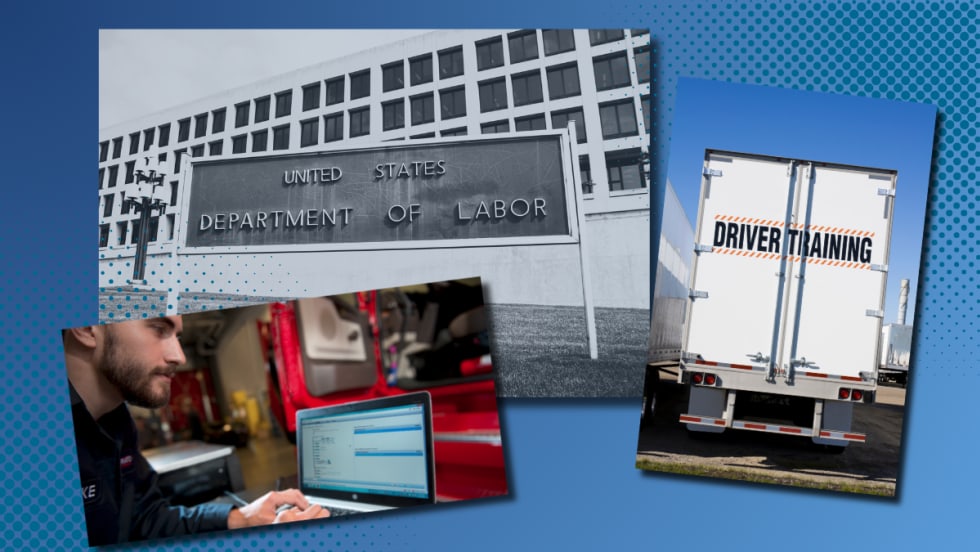
Federal Proposal Would Allow Pell Grants for Shorter-Term Job Training
The Department of Labor plans to expand Pell Grant eligibility to some shorter workforce training programs, a move the American Trucking Associations said will help strengthen commercial driver training schools and diesel technician training programs.
Read More →
Owner-Operator Model Gets Boost as DOL Proposes 2024 Independent Contractor Definition Reversal
For an industry that has watched this issue go back and forth for years, the independent contractor proposal marks the latest swing in the regulatory pendulum.
Read More →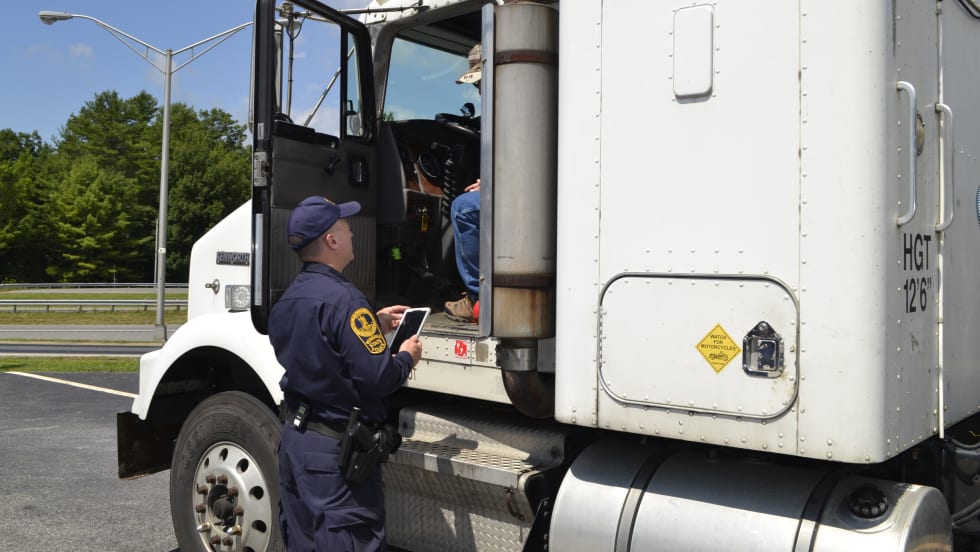
FMCSA Reinstates Field Warrior ELD to Registered Device List
One electronic logging device has been reinstated to the FMCSA's list of registered ELDs.
Read More →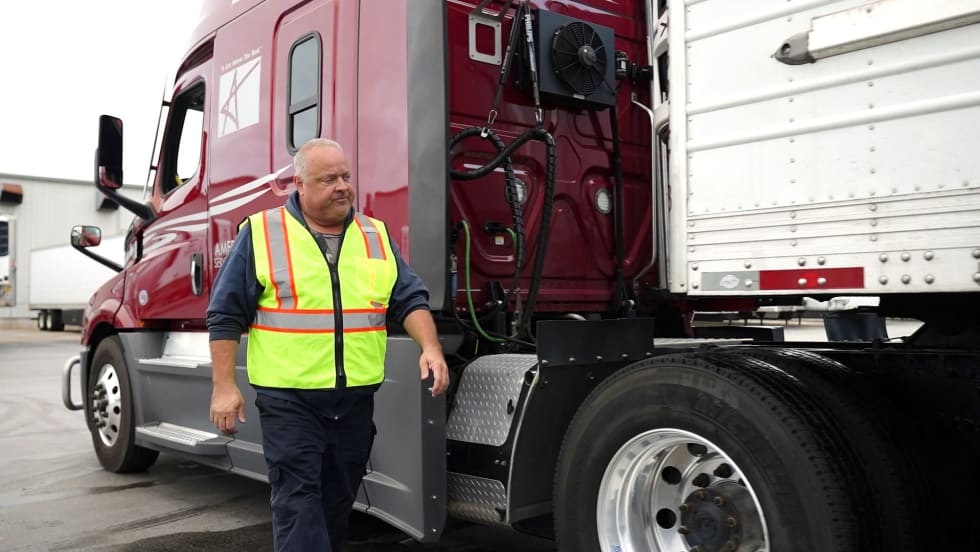
How One Company is Using Smart Suspension Technology to Reduce Driver Injuries and Improve Retention
America’s Service Line adopted Link’s SmartValve and ROI Cabmate systems to address whole-body vibration, repetitive strain, and driver turnover. The trucking fleet is already seeing measurable results.
Read More →
CarriersEdge Announces 2026 Best Fleets to Drive For
The 18th annual contest recognizing the best workplaces for truck drivers sees changes to Top 20, Hall of Fame
Read More →
FMCSA Targets 550+ ‘Sham’ CDL Schools in Nationwide Sting Operation
The Federal Motor Carrier Safety Administration issued more than 550 notices of proposed removal to commercial driver training providers following a five-day nationwide enforcement sweep. Investigators cited unqualified instructors, improper training vehicles, and failure to meet federal and state requirements.
Read More →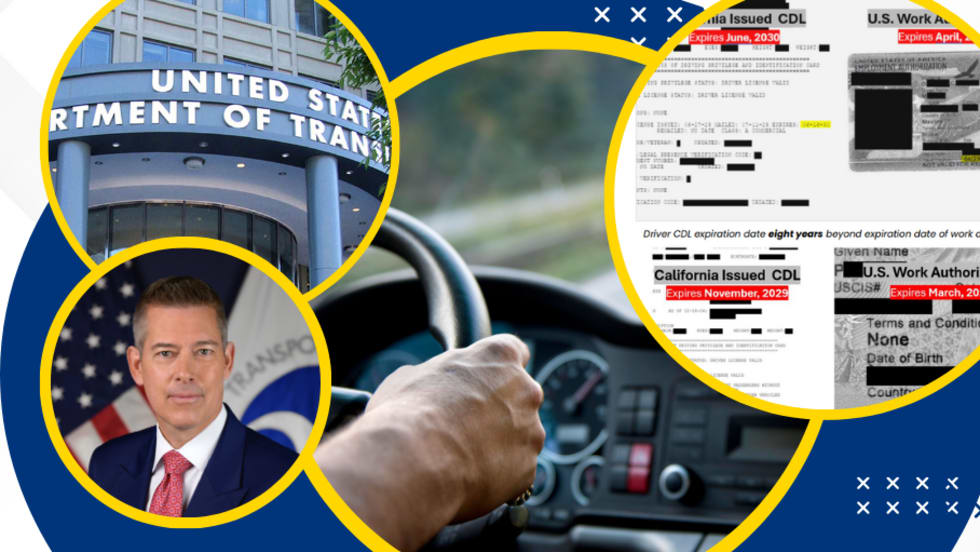
DOT Alleges Illinois Issued Illegal Non-Domiciled CDLs
Illinois is the latest state targeted and threatened with the loss of highway funding by the U.S. Department of Transportation in its review of states' non-domiciled CDL issuance procedures. The state is pushing back.
Read More →FMCSA Locks in Non-Domiciled CDL Restrictions
After a legal pause last fall, FMCSA has finalized its rule limiting non-domiciled commercial driver's licenses. The agency says the change closes a safety gap, and its revised economic analysis suggests workforce effects will be more gradual than first thought.
Read More →