




Wildcat Strike Shuts Ports in New York and New Jersey
More than 1,000 longshoremen walked off the job at New York and New Jersey ports on Friday morning, Jan. 29, effectively shutting down the terminals in a port system that receives nearly 30 percent of all cargo on the East Coast.

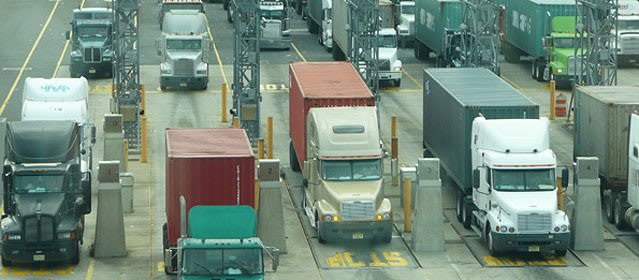
File Photo: Port Authority of New York and New Jersey

File Photo: Port Authority of New York and New Jersey
More than 1,000 longshoremen walked off the job at New York and New Jersey ports on Friday morning, Jan. 29, effectively shutting down the terminals in a port system that receives nearly 30 percent of all cargo on the East Coast.
Traffic in and around the ports became gridlocked, with hundreds of truckers reportedly idling at the gates or inside the terminals.
Shortly after 3:00 p.m. EST, the Port Authority of New York and New Jersey gave its most recent update, stating on its website: “We appreciate your patience & cooperation as we safely & efficiently cleared the marine terminals. As we receive more info, we’ll keep you posted.”
PANYNJ had advised of the work stoppage shortly before 11 a.m. EST: “There is an apparent labor walk off at all PONYNJ terminals. No truck operations at this time.”
About an hour and a half later, the joint agency issued this update: “Due to the current work stoppage in the port, no new trucks will be allowed to queue on port roadways. Do not send trucks the Port at this time.”
According to PANYNJ, the striking workers are members of the International Longshoremen's Association, a key union at the ports in New York City and New Jersey.
A news report indicated that the job action was not sanctioned by the International Longshoremen's Association, making it a wildcat strike. An ILA spokesman said the walkout took many union officials by surprise, per the Associated Press.
Another union official told NBC 4 New York that the job action could be traced to numerous grievances including concerns about the Waterfront Commission of New York Harbor's role in collective bargaining, regulations on time off after injuries and drug-testing protocols.
The affected terminals include Port Newark, the Elizabeth-Port Authority Marine Terminal, Port Jersey in Bayonne, Howland Hook Marine Terminal on Staten Island, and the Brooklyn Marine Terminal in the Red Hook section of Brooklyn.
More Fleet Management

Public Wi-Fi Cybersecurity Risks: How Truck Drivers and Fleets Can Protect Their Data
Public Wi-Fi can expose truck drivers and fleets to credential theft, malware, and other cyber threats. Here’s how to reduce the risk on the road.
Read More →
For Nicky Cupp, Fleet Innovation Starts With Frustration
HDT Truck Fleet Innovator Nicky Cupp turns everyday pain points at Fraley & Schilling into opportunities for better technology and smarter processes.
Read More →
Adam Buttgenbach’s Approach to Electric Trucks: Start With Where They Fit
HDT Truck Fleet Innovator Adam Buttgenbach helped PepsiCo build one of North America’s largest EV fleets by focusing on where electric trucks make operational sense.
Read More →
Deen Albert: Let Automation Do the Math, People Make the Decisions
HDT Truck Fleet Innovator Deen Albert makes sure people are still at the heart of operations at Grand Island Express, even while adopting artificial intelligence tools. AI-assisted dispatch helped boost revenue 25% with the same number of trucks.
Read More →
Trimble’s New AI Agent Takes Aim at Fleet Back-Office Busywork
Arc Agent works across Trimble TMS products to automate repetitive tasks such as freight orders, maintenance, invoices, fuel costs and more.
Read More →
How HDT’s 2026 Truck Fleet Innovators Are Rethinking Fleet Operations
Meet five trucking leaders who are challenging assumptions, solving operational problems, and putting innovative ideas to work.
Read More →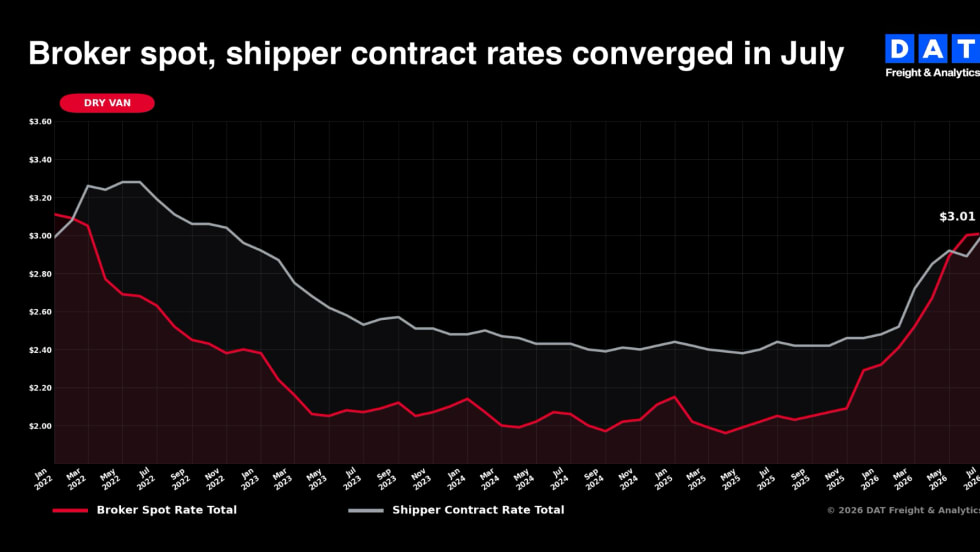
Tight Trucking Capacity Pushes Rates Higher Even as Freight Volumes Fall
“Spot rates moving ahead of contract rates have historically signaled a tightening market, but we haven’t seen a capacity-driven market quite like this one,” said DAT's Dean Croke.
Read More →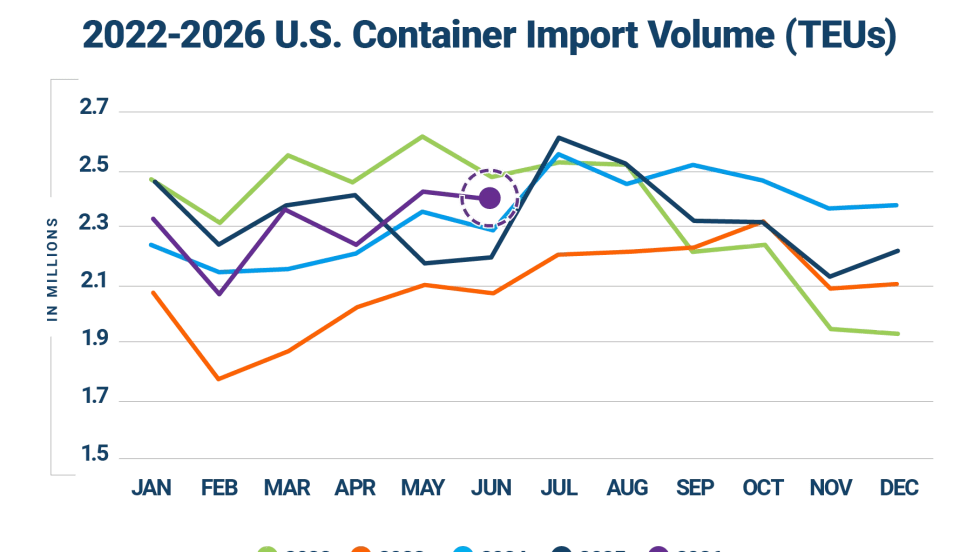
Import Cargo’s Early Peak Season is Winding Down
There was an early start to peak season this year at the nation's gateway ports, as retailers brought in merchandise ahead of tariff changes in late July and responded to other supply chain uncertainties,
Read More →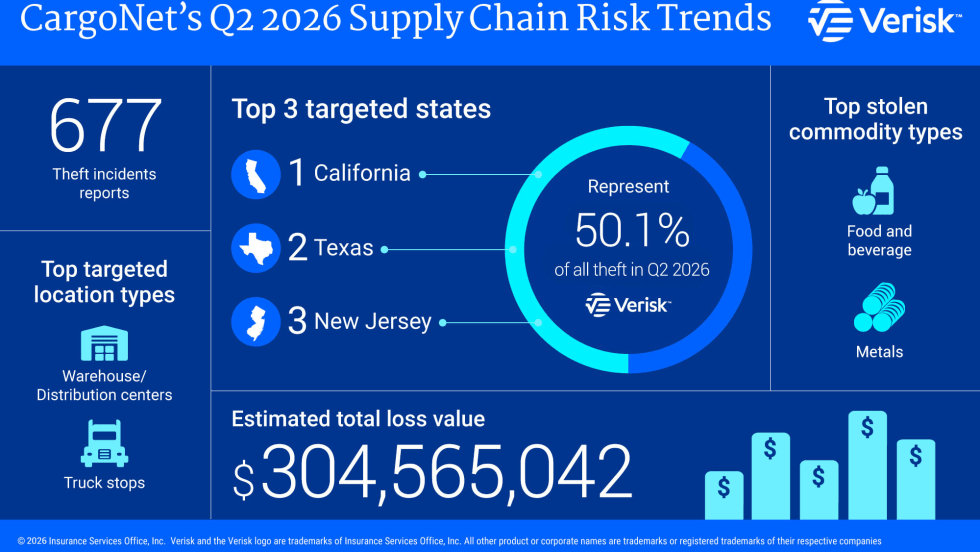
Fewer Cargo Thefts, Bigger Losses: Criminals Target Higher-Value Loads
CargoNet says organized theft rings are stealing fewer shipments but choosing more valuable freight, including metals and technology, resulting in record losses.
Read More →
How Innovative Trucking Leaders Turn Change Into an Advantage
As the pace of change accelerates in trucking, the fleets that adapt best have more than the latest technology. They have cultures that embrace improvement.
Read More →