




Why Trains Lose the Battle for Time-Sensitive Freight
The freight world is getting faster all the time. Carriers are being pressured at both shipping and receiving ends to reduce transit times. Trucking is holding its own, but rail carriers are falling behind. Ed Ellis, an
The freight world is getting faster all the time. Carriers are being pressured at both shipping and receiving ends to reduce transit times. Trucking is holding its own, but rail carriers are falling behind.
Ed Ellis, an Amtrak vice president, wrote a column in the July, 2000 issue of Trains magazine looking out over the chasm between truck and train performance. He says a team-driven truck can deliver a cross-country load in 60 hours or less. That's two and a half days. Contrast that with the Union Pacific Corp. guarantee that perishable shipments from California will reach New York in eight days by rail.
The fastest intermodal train speeds today average less than 40 mph once the shipment is aboard and starts moving, says Ellis. He says that is because "...most intermodal trains have top speeds of 60 to 70 mph." He says the answer is to "... remove low-speed restrictions and raise the top speed to 80 or 90 mph." That seems like a tall order.
Ellis says, "The railroads aren't exactly in a strong position to begin improving intermodal transit times. Main routes are clogged with ponderous, slow-moving coal and stack trains. The railroads' stock is in the dumper, and the capital markets are no longer interested in the industry. Where will the money be found to add capacity, remove slow orders, eliminate restrictions, and acquire the high-speed equipment needed to regain shipper confidence?"
Another problem the railroads face is what Ellis calls "circuity." He says, "The trucker
takes a reasonably direct door-to-door route. We run from hub-to-hub and often have a
serious out-of-line haul. Truckers can leave directly from any zip code. We can leave
directly from fewer than 500 zip codes, and many trips require a back-haul to the
terminal, which just makes our door-to-door transit time that much worse."
Rail has less than 1.5% of what Ellis says is a $140 billion "expedited, high-reliability,
low-transit-time market." Railroads get $2 billion of that, Ellis says, while trucking
now gets $50 billion.
To find out more on this topic, check out www.trains.com or www.railroadpm.org.
More Fleet Management
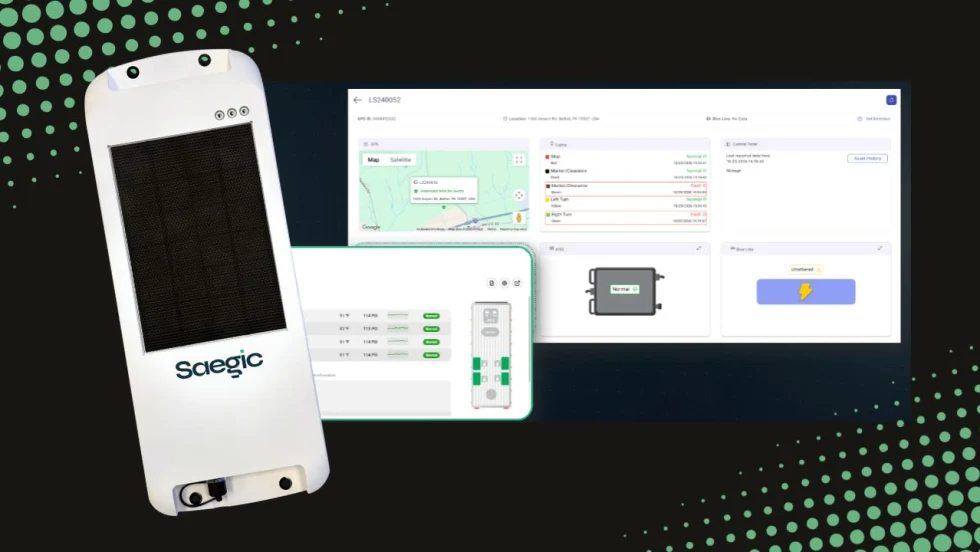
Road Ready Becomes Saegic, Launches New Trailer Telematics Gateway
Clarience Technologies is rolling out new hardware and expanding its plans for connecting trailer telematics, maintenance data, and video.
Read More →
Give Your Trucking Fleet a Cybersecurity Walkaround
Your fleet's cybersecurity policies may look good on paper. These seven checks can help you find out whether they’re working.
Read More →
Kodiak Lines Up Fleets for Driverless Trucking
An agreement for 75 trucks, a new Texas freight lane, and progress on safety validation move Kodiak closer to its planned driverless highway launch.
Read More →
ITS Logistics Settles Religious Harassment Case
The Nevada-based logistics firm agreed to pay more than $396,000 to settle a religious harassment charge involving an employee's Jewish identity.
Read More →
Your Trucks Are Busy. That Doesn’t Mean They’re Winning.
High utilization doesn’t always mean strong margins. Looking beyond the current load can help fleets make better dispatch decisions and get more value from each truck’s time.
Read More →
Why This Trucking Recovery Is Different
Freight demand remains sluggish, but rising costs and tougher enforcement have taken enough capacity out of the market to change the outlook for motor carriers.
Read More →
Platform Science Adds Dispatch and Safety Tools
Four additions to PS Fleet help fleets monitor loads, manage driver coaching, share truck locations and adjust video system settings.
Read More →
PrePass Intelligence Mines Fleet Bypass, Toll and Safety Data
PrePass Intelligence helps fleets measure bypass savings, flag potential toll overcharges, and spot suspicious transactions by combining data from separate systems.
Read More →
Motive Adds AI Agents for Fleet Operations
New tools automate follow-up on fleet data, from maintenance work orders to driver alerts, with two-way voice conversations planned for later this year.
Read More →
Can You Beat Our Trucking Trivia Challenge?
Test your truck knowledge with 19 trivia questions from Heavy Duty Trucking Exchange. Can you keep up with the fleet pros?
Read More →