




Welcome to Waldo, Here’s Your Ticket
Rich Mckay, Orlando Sentinel Staff Writer "Here's one," Lt. Terry Meehan says from the behind the wheel of his black and white Crown Vic
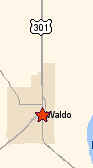
Yahoo Maps
Rich Mckay, Orlando Sentinel Staff Writer
"Here's one," Lt. Terry Meehan says from the behind the wheel of his black and white Crown Vic.
He flicks the siren switch off and on, issuing a "yelp" to pull over the silver Lexus racing 20 mph too fast through this blink-of-an-eye town.
Welcome to Waldo, the horse-pastured hamlet just north of Gainesville, Fla., that AAA labels the worst speed trap in America.
Officers write so many tickets here on U.S. 301 that AAA put up a billboard north of town warning drivers of a "Speed Trap" ahead. Waldo and its neighbor Lawtey, a few miles down the road, are the only towns in America to earn such wrath.
To that, Meehan says, "I don't care," and smiles affably and goes about his job, grabbing a fresh ticket.
Eric, a salesman from Maitland, wipes sweat from his forehead as he stands on U.S. Highway 301, pushes his glasses back up and tells the officer he didn't see the speed-limit sign.
Meehan politely points out that maybe Eric shouldn't have been talking on a cell phone. The ticket will cost him $186. If he were driving like that in a school or construction zone it could have been $536.
Flagrant speeders aren't the problem, said Randy Bly, spokesman for AAA Auto Club South.
It's the "for-profit" stance Waldo and Lawtey appear to take on enforcing traffic laws. Each town rakes in 25 percent or more of its annual budget in traffic-ticket fines.
Other cities make more from traffic tickets -- even in the millions of dollars, Bly conceded. Orlando, for instance, makes about $2 million on parking tickets alone, and the fees went up in October.
But that's just a drop in Orlando's $500 million city budget. Other towns are inching up in traffic-ticket enforcement. Traffic tickets in Coleman, in Sumter County, last year accounted for almost 10 percent of the city budget, Bly said.
But nothing comes close to Waldo. For the fiscal year 2001-2002, traffic tickets accounted for about 105 percent of the Police Department's $262,000 budget.
"They're clearly using the Police Department as a money-making venture," Bly said. In most towns, the ticket-take is just 1 percent to 3 percent of the budget, an AAA study showed.
Last year, ticket writing raised more than $275,000, accounting for more than 25 percent of Waldo's $1.1 million budget, Bly said.
The budget math works out to a full third, if federal and state government grants aren't counted in the budget, he said.
Still, that's better than it was -- back in 1995, ticket-writing raked in 38 percent of Waldo's budget.
"Looks like they're out for money, not slowing down traffic," he said.
The Waldo Area Chamber of Commerce is rankled over this, too.
Dena Rice, one of the chamber directors and the owner of Waldo Feed & Hardware, sells T-shirts mocking the speed trap at $12 a piece.
Back on U.S. 301, Meehan says he parks in plain sight and people still speed past him, or slam on their brakes when they crest the hill and see the "bubblegum machine" lights on top.
And Meehan says he'll also pull you over for not wearing seat belts, running stop signs, having a blinker out.
Hefting a code book, he said, "The state Legislature's passed 400 traffic laws. They must think it's important."
"See that little blue car? The window's tinted too dark," he says as he rolls the Crown Vic into an about-face and heads after it.
More Drivers
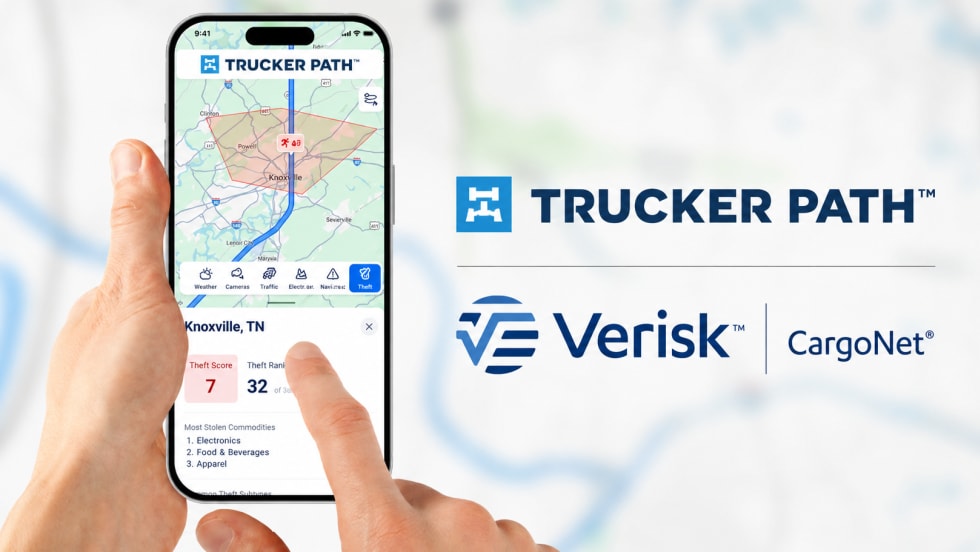
Trucker Path Adds Verisk CargoNet Theft Data to Navigation Platform
Trucker Path’s new cargo theft risk overlays give drivers and fleets visibility into high-risk areas, stolen commodity trends, and theft hotspots.
Read More →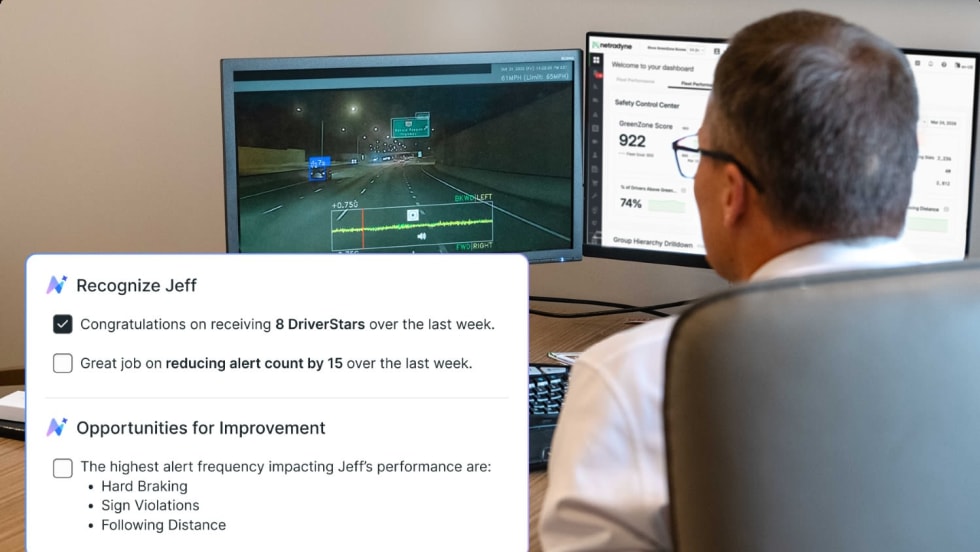
Netradyne Intelligence Uses New AI Agents to Automate Response to In-Cab Camera Data
The company called the next-generation in-cab camera safety platform "a fundamental shift from systems that report on what happened to systems that actively drive what should happen next."
Read More →
Why Truck Detention Keeps Costing Fleets Time and Money
A 2024 ATRI study found detention affects nearly 40% of truckload stops and costs the industry more than $15 billion annually. Despite the toll on drivers, fleets, and supply chains, the problem remains stubbornly persistent.
Read More →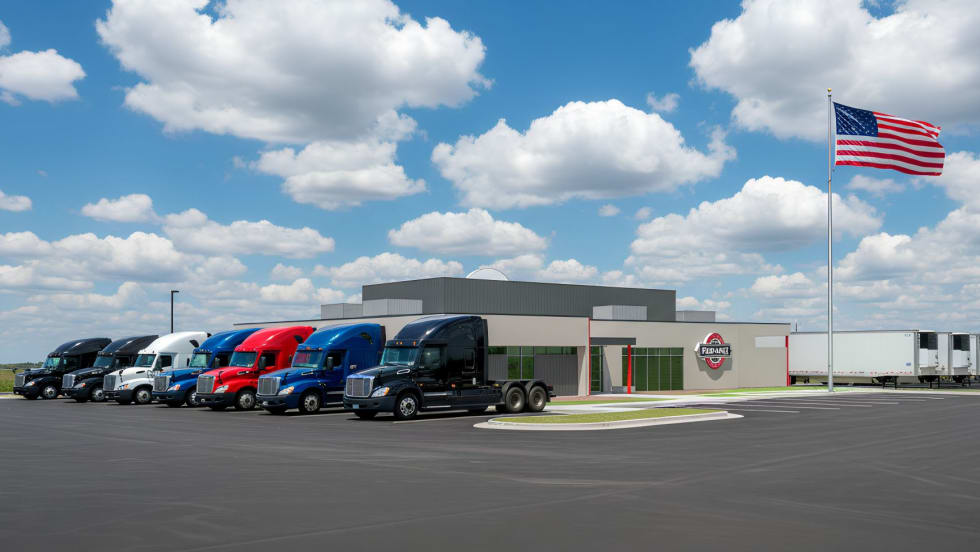
Prime Inc. to Open $7.9M Flagship Used-Truck Dealership
A new driver-focused facility to sell Prime Inc's used trucks and trailers will be the first purpose-built location in the company's history.
Read More →
Short Takes: Inside K&B’s Truck Safety Tech
Listen to learn how K&B Transportation uses cellphone-blocking technology, speed management systems, weather geofencing, bridge avoidance tools, and more to improve driver safety.
Read More →
Nussbaum Expands Driver Compensation with Pay Raises, Profit Sharing
Nussbaum Transportation said its latest compensation package could push first-year driver earnings above $90,000 in key hiring markets.
Read More →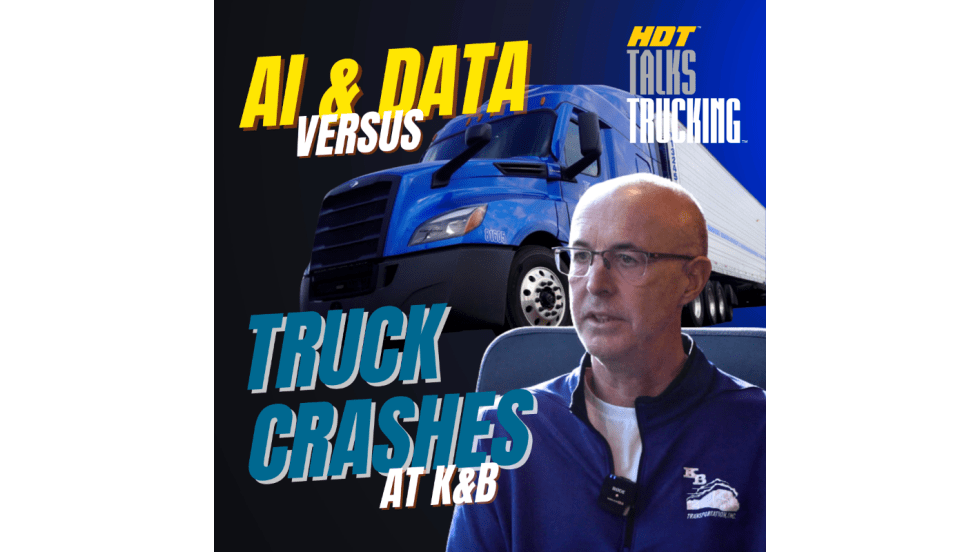
Listen: Inside Modern Fleet Safety: AI, Cameras & Speed Control at K&B Transportation
Fleet safety is evolving fast—and technology is at the center of it. Learn how a former commercial vehicle enforcement officer turned director of safety at K&B Transportation is embracing real-world safety technology.
Read More →
Maverick Announces 2026 Driver Pay Raises
New raises for Maverick Transportation drivers will take effect on May 31, 2026.
Read More →
Illinois Trucker Indicted for Nearly $22,000 in Ohio Turnpike Toll Evasion
Authorities say an Illinois trucker avoided paying tolls for two years, and now faces felony charges, possible prison time, and forfeiture of his Freightliner tractor.
Read More →
New Trojan Driver Cargo Theft Scam Bypasses Carrier Vetting Systems
Cargo theft rings plant operatives as drivers inside legitimate, fully vetted carriers, then execute coordinated thefts that look like a traditional straight theft from the outside.
Read More →