




Volvo Trucks Plant Using Carbon-Neutral Electricity
[UPDATED] The electricity powering Volvo Trucks' North America’s New River Valley assembly plant in Dublin, Va., is now carbon neutral thanks to a switch to renewable fuels to produce power.
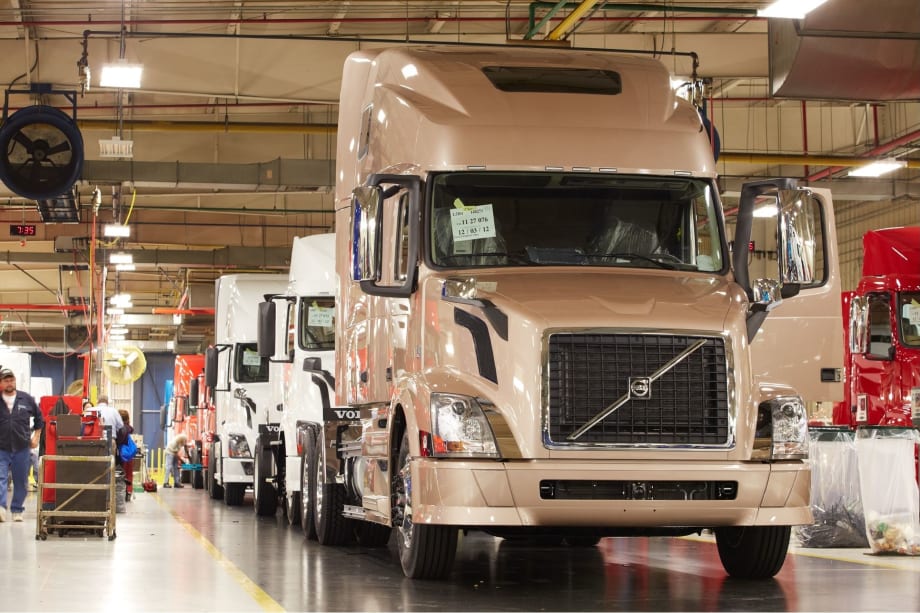
Volvo VNLs on the assembly line at the New River Valley plant: Photo via Volvo Trucks.
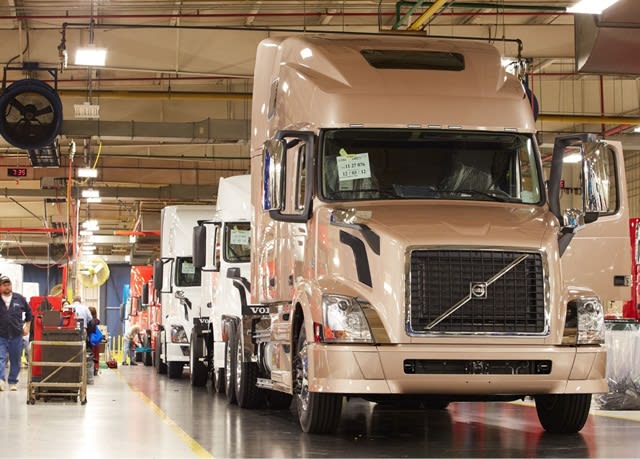
Volvo VNLs on the assembly line at the New River Valley plant:Photo via Volvo Trucks.
Volvo Trucks North America’s New River Valley assembly plant in Dublin, Va., is now carbon neutral thanks to a switch to renewable fuels to produce power.
“Today, our electricity is produced without any additional CO2 contributing to an improved environment for our community,” said Franky Marchand, vice president and general manager of the plant. “The trash of the past is the methane gas that fuels our plants today.”
The assembly plant uses landfill gas to generate electric power and replaces fossil fuels that produced over 40,000 tons of carbon dioxide last year. Plant management also identified other ways to improve environmental efficiency at the plant and made adjustments accordingly.
An exterior wall of the plant now absorbs and captures solar heat to provide heating. They’ve also removed lighting from vending machines throughout the plant to save electricity. Combined with other changes, the initiatives are reducing energy intensity by 30%, according to Volvo Trucks.
The New River Valley plant assembles Volvo VNM, VNL, VNX, VHD and VAH trucks. The plant meets the U.S. Department of Energy's Superior Energy Platinum certification as well as the ISO 50001 international energy standard.
(Updated Dec. 8 to correct, the entire plant is not carbon-neutral, only the electricity supplying the plant.)
More Equipment

PlusAI Going Public to Fund Autonomous Truck Launch
A SPAC deal could provide PlusAI with up to $300 million as it works toward a 2027 commercial launch of factory-built autonomous trucks.
Read More →
NHTSA Moves to Rewrite Truck Fuel-Economy Rules
The National Highway Traffic Safety Administration says it lacks authority to regulate medium- and heavy-duty truck engines separately from complete vehicles, but the existing standards have not yet been eliminated.
Read More →
Detroit Opens Orders for EPA 2027 Engines
Detroit isn’t starting from scratch to meet EPA 2027 diesel emissions standards. Its Gen 6 DD13 and DD15 engines keep much of today’s platform while updating the fuel and aftertreatment systems.
Read More →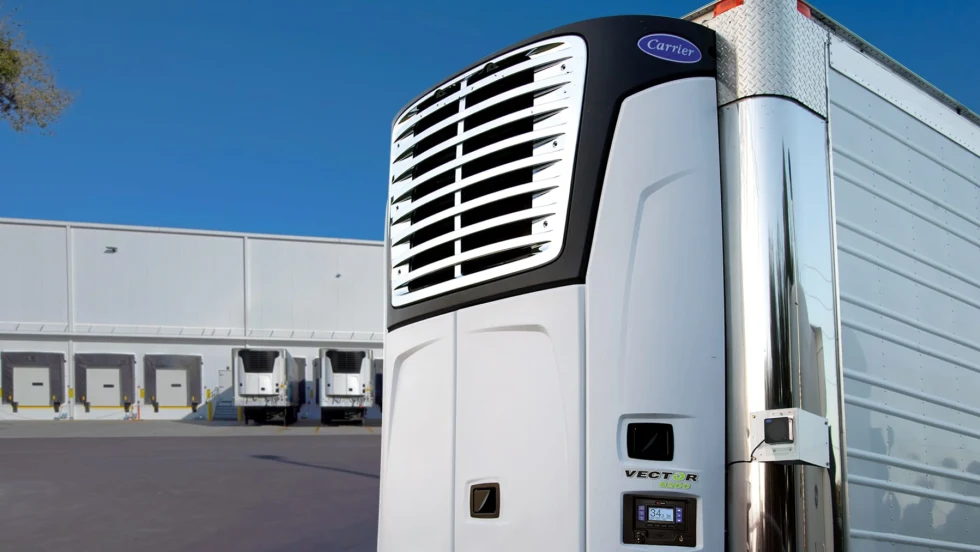
Carrier Transicold Adds All-Electric TRU for Stationary Cold Storage
Carrier Transicold’s new Vector 8200 all-electric transport refrigeration unit gives fleets a diesel-free option for temporary refrigerated and frozen trailer storage.
Read More →
A Closer Look at Kenworth’s Electric T880E Vocational Truck [Video]
Learn more about Kenworth's T880E battery-electric vocational truck at the Paccar Technical Center, including its range, applications, upfitting considerations, and PTO options, in this HDT Spotlight video.
Read More →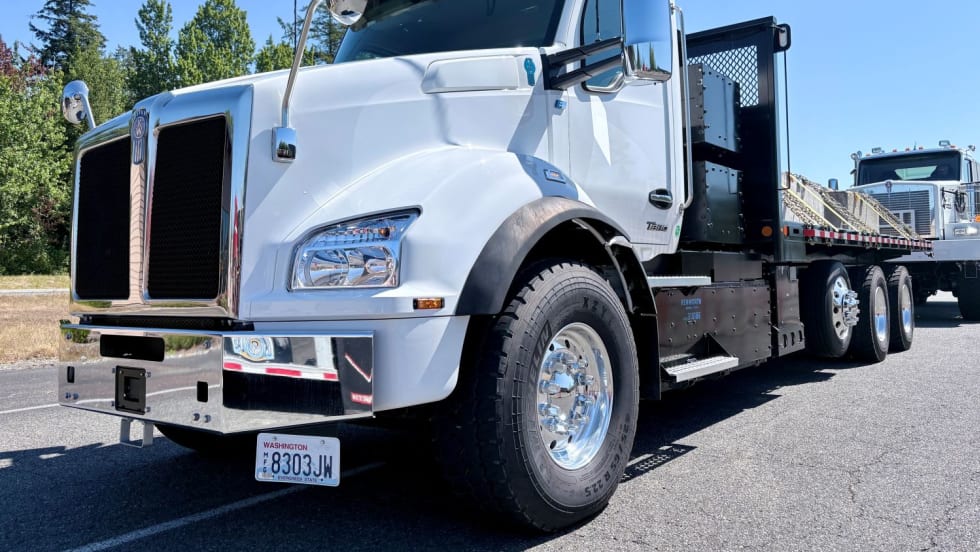
Kenworth T880E Brings EV Power to Vocational Trucks
A closer look at the Kenworth T880E’s range, charging, powertrain and upfit options — and where fleets are showing the most interest.
Read More →
What the U.S.-Canada Trade War Means for Trucking
Escalating U.S.-Canada tariffs could disrupt cross-border freight, reduce truck volumes, raise costs, and create new uncertainty for carriers on both sides of the border.
Read More →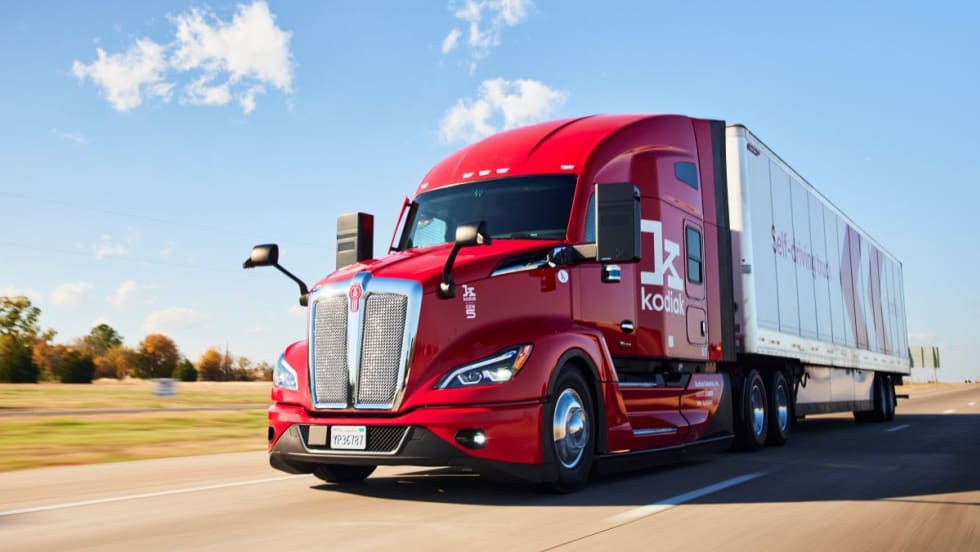
Autonomous Truck Testing Moves Ahead in California as Teamsters Challenge Rules
California has begun permitting heavy-duty autonomous truck testing, with Aurora and Kodiak among the first to receive approval, as the Teamsters sue the DMV over the new regulations.
Read More →
Behind the Wheel of the New Mack Anthem [Video]
HDT takes the new Mack Anthem around Mack’s Pennsylvania test track to see how its driver-focused design, technology, visibility and handling perform from behind the wheel.
Read More →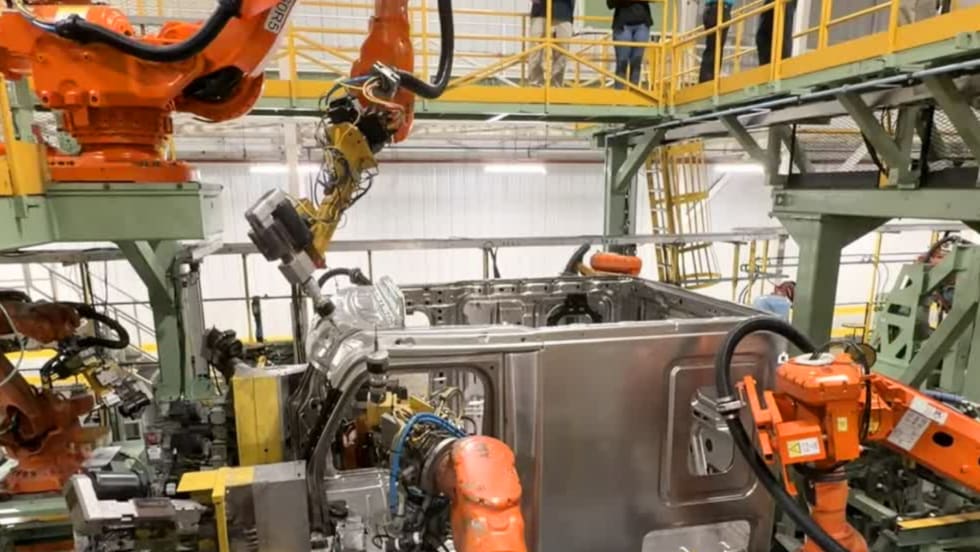
DTNA Plans New U.S. Truck Plant as Manufacturing Footprint Shifts
Daimler Truck North America is evaluating sites for a new assembly plant expected to open in 2029 while winding down operations at its longtime Portland manufacturing facility.
Read More →