




Volvo Announces a Million Connected Trucks
Volvo announced it now has over one million connected trucks on the road worldwide – including 218,000 vehicles in North America.

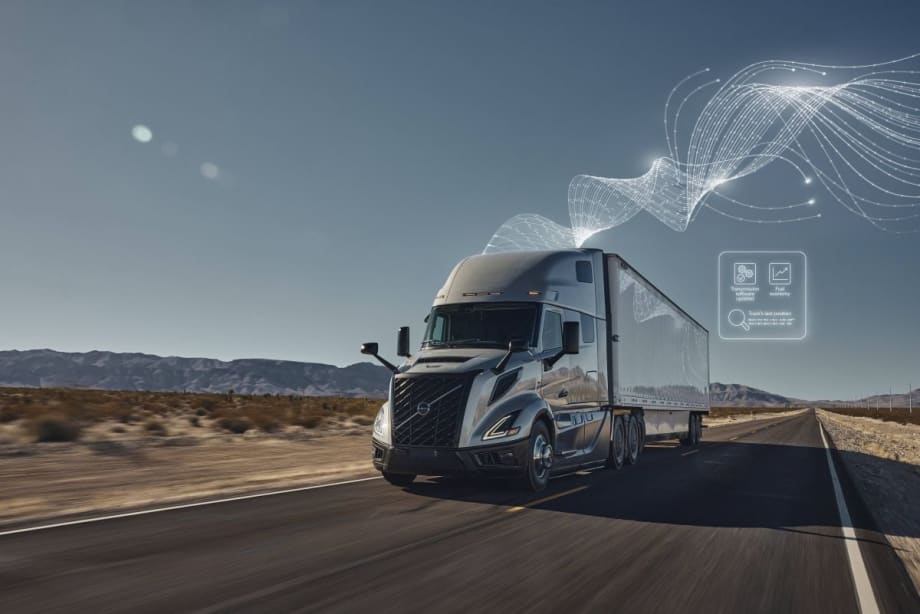
The new VNL is the most connected truck the OEM has ever built., according to Volvo.
Photo: Volvo Trucks North America
Volvo Trucks announced it has reached a major milestone.
The OEM now has more than one million digitally connected trucks on the road worldwide.
Volvo said this technology is helping fleets and drivers work smarter and safer on the road.
One in Five North American Volvos are Connected
In North America alone, more than 218,000 connected trucks are deployed in customer operations.
Volvo said this figure represents one in five of all Volvo trucks on the continent.
Volvo notes that heavy trucks today are sophisticated vehicles filled with advanced software systems, similar to those in passenger cars.
Connectivity enables trucks to share data in real time, helping fleets improve safety, fuel efficiency, and uptime while reducing unexpected repairs.
For drivers and customers, this translates to trucks that stay on the road longer and operate more efficiently.
“Our customers expect more than just a truck, they expect a tool that supports their business in every aspect,” said Peter Voorhoeve, president, Volvo Trucks North America. “With more than 218,000 connected trucks in North America, we are helping fleets maximize productivity and safety every day.”
Volvo’s Most-Connected Truck Yet
Volvo said its new VNL model, designed specifically for North America, is the most connected truck the OEM has ever built.
At the heart of the VNL is Volvo’s fleet management platform, Volvo Connect. This modern telematics system brings vehicle insights, remote diagnostics, fuel economy reports, and over-the-air software updates together in one portal. Fleet managers can monitor trucks in near real time, schedule and deploy updates remotely, and reduce unnecessary service visits to improve uptime and maximize driver productivity.
Volvo’s connected services in North America focus on two priorities: keeping trucks on the road and helping fleets run more efficiently.
Uptime services use wireless connectivity to track vehicle health in real time, spot potential issues early, and schedule maintenance at the right moment.
This prevents unnecessary downtime and ensures trucks get back to work quickly. Over-the-air software updates can also be installed while a truck is parked, reducing trips to the shop.
Productivity services give fleet managers tools to streamline operations and lower costs. These include fleet planning systems, fuel and safety reports, and driver support features.
Drivers also benefit directly from connectivity with the Volvo My Truck app, which helps drivers stay connected and prepared before they even get behind the wheel.
Drivers can access the My Truck app via a phone or tablet to check key vehicle information such as fluid levels and light status and can even set the cab climate control before starting a shift.
Volvo said this milestone highlights how technology is reshaping an industry that moves the majority of freight in the United States.
Trucks are increasingly connected to the cloud, giving fleets real-time visibility that supports safety, reliability, and efficiency on the nation’s highways.
More Fleet Management

Color Match Smarter: Tools That Restore & Perform
For fleet managers and collision repair professionals keeping heavy-duty trucks on the road, getting the color right the first time isn't just about appearance — it's about efficiency, turnaround time, and bottom-line results. Discover how today's digital color tools are transforming the repair process from guesswork to precision.
Read More →
FMCSA Pauses Biennial-Update Enforcement Amid Motus Transition
Carriers whose updates were due on or after June 1 have more time, while FMCSA works to stabilize its new registration system and warns of phishing sites impersonating its new carrier registration system, Motus.
Read More →
2026 Blueprint for Countering Smarter Supply Chain Theft
Cargo theft is no longer just the cost of doing business. It's a multi-billion-dollar criminal enterprise exploiting vulnerabilities across your fleet, drivers, and supply chain.
Read More →


How Telematics Improves Visibility, Control, and Performance in Refrigerated Fleets
Explore how telematics help refrigerated fleets improve visibility, uptime, efficiency, compliance, and cargo protection across connected cold chain operations.
Read More →
What the U.S.-Canada Trade War Means for Trucking
Escalating U.S.-Canada tariffs could disrupt cross-border freight, reduce truck volumes, raise costs, and create new uncertainty for carriers on both sides of the border.
Read More →
What Are Trucking’s Top Concerns for 2026?
The American Transportation Research Institute wants to know what's worrying trucking fleet managers, drivers, and other stakeholders in its annual Industry Issues survey.
Read More →
American Trucking Associations Looks for a New Leader
ATA President and CEO Chris Spear abruptly left his job at the association on August 21, at a pivotal time for the trucking industry.
Read More →
Public Wi-Fi Cybersecurity Risks: How Truck Drivers and Fleets Can Protect Their Data
Public Wi-Fi can expose truck drivers and fleets to credential theft, malware, and other cyber threats. Here’s how to reduce the risk on the road.
Read More →
For Nicky Cupp, Fleet Innovation Starts With Frustration
HDT Truck Fleet Innovator Nicky Cupp turns everyday pain points at Fraley & Schilling into opportunities for better technology and smarter processes.
Read More →
Adam Buttgenbach’s Approach to Electric Trucks: Start With Where They Fit
HDT Truck Fleet Innovator Adam Buttgenbach helped PepsiCo build one of North America’s largest EV fleets by focusing on where electric trucks make operational sense.
Read More →