




Virginia Gets Preliminary Approval to Toll I-95
The Federal Highway Administration has granted the Virginia Department of Transportation preliminary approval for Gov. Bob McDonnell's plan to toll I-95 under the Interstate Reconstruction and Rehabilitation Pilot Program

The Federal Highway Administration has granted the Virginia Department of Transportation preliminary approval for Gov. Bob McDonnell's plan to toll I-95 under the Interstate Reconstruction and Rehabilitation Pilot Program.
In a September 14 letter, FHWA Administrator Victor Mendez granted the conditional provisional approval and outlined steps required to move forward. As part of this approval, VDOT's conditional provisional approval to toll I-81 will be rescinded.
"I-95 is one of the most important and heavily traveled highway corridors in the country, linking population and commercial centers up and down the East Coast," McConnell said. "Limited funds and growing capital and maintenance needs have led to deficient pavements and structures, congestion, higher crash density and safety concerns. This approval is a major step toward funding critical capacity and infrastructure improvements needed in this corridor."
But the American Trucking Associations says tolling I-95, would harm the state, as well as the nation's economy, more than help repair the corridor.
"While it is true that I-95 is one of the 'most important and heavily traveled highway corridors in the country,' as Gov. McDonnell says, there are far more expeditious and efficient ways of raising revenue for its upkeep than tolls," said ATA President and CEO Bill Graves in a statement. "Study after study shows that tolls carry astronomically higher capital and overhead expenditures compared to the fuel tax.
"Raising the fuel tax provides revenue immediately, rather than over several years like tolling, and it doesn't require upfront investment to build a government bureaucracy to collect it," Graves said. "While many see tolling as a way to avoid raising taxes, tolls certainly are taxes, and imposing them is certainly not a 'conservative' way to finance highways."
In addition to the financing inequity, Graves said imposing tolls would only add to I-95's congestion, or worse, drive trucks off onto smaller secondary roads that aren't designed to handle the increased traffic.
"The Interstate Highway System was designed to promote the free flow of goods across our country. Setting up toll booths at our borders and near our cities will restrict those goods and harm our economy," Graves said.
Proposals like this one, Graves said, are a symptom of the problems the federal government has had in passing a long-term highway bill.
"As a former governor, I know that when Washington abdicates its responsibility, states must step up to fill the void," he said. "If President Obama and Congress were serious about creating jobs and improving our roads and bridges, they would quickly pass a long-term, well-funded transportation bill focused on critical corridors like I-95."
Preliminarily, VDOT estimates it could generate $250 million over the first five years of the toll program and over $50 million a year after that. These toll revenues will help fund capacity expansion, operational improvements, safety improvements, and pavement and structure reconstruction and rehabilitation throughout the corridor.
Examples of projects that could be funded through toll revenues include widening I-95 between I-295 and the North Carolina border, enhancing Intelligent Transportation Systems and installing over-height detectors on bridges, shoulder widening and the installation of guardrails, and improving pavements on more than 700 lane-miles within the corridor.
By granting VDOT conditional provisional approval, the U.S. DOT is reserving a slot in the Interstate Reconstruction and Rehabilitation Pilot Program. This reservation will allow VDOT to undertake necessary studies. The Interstate Reconstruction and Rehabilitation Pilot Program is a federal demonstration program that provides authority for only three states to toll Interstate facilities. Once the statutory provisions of the program are satisfied, the opportunity for tolling will be available.
More Drivers
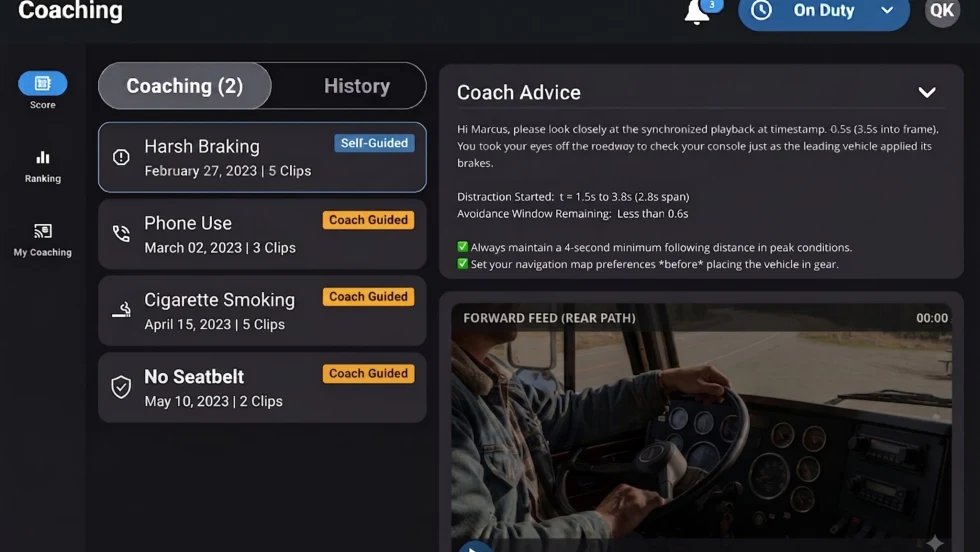
Platform Science Adds Dispatch and Safety Tools
Four additions to PS Fleet help fleets monitor loads, manage driver coaching, share truck locations and adjust video system settings.
Read More →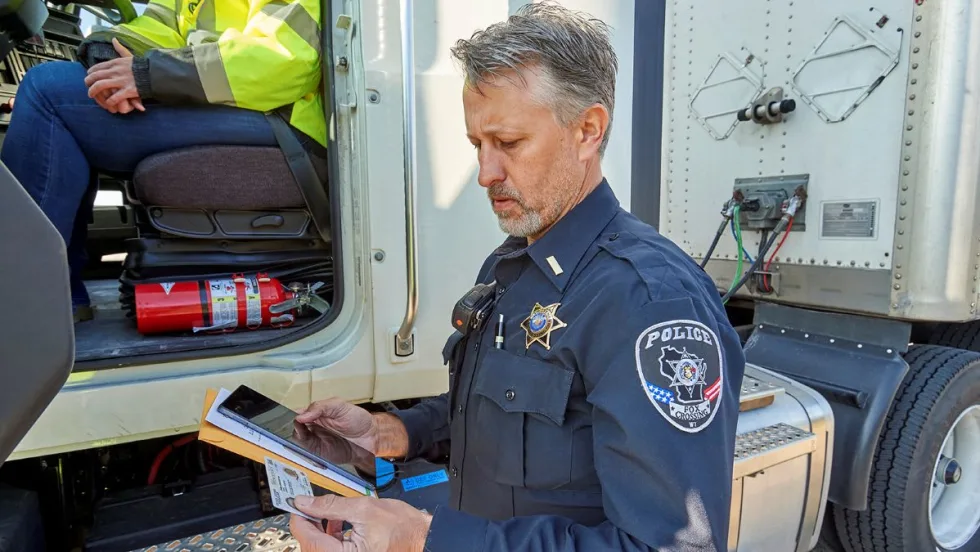
When Language Stops the Truck: The Return of ELP Out-of-Service Orders
English language proficiency rules for commercial drivers aren’t new, but renewed out-of-service enforcement has raised the stakes. Here’s what carriers need to know before a driver reaches a roadside inspection.
Read More →
Samsara Launches Custom AI Agent Builder
Agent Studio lets fleets create AI tools for hours-of-service monitoring, reporting and driver support, including agents that communicate by phone.
Read More →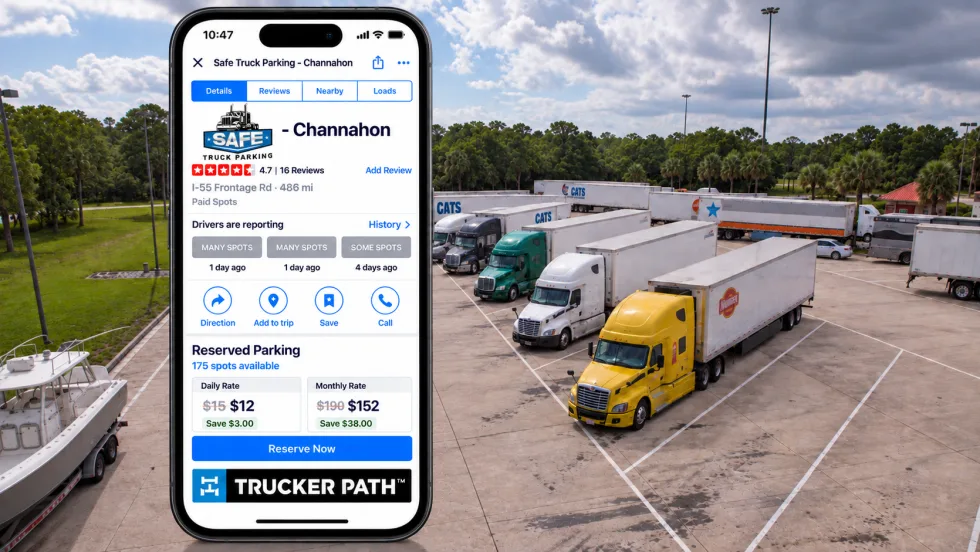
Trucker Path Expands Reserved Parking Network
Trucker Path has added close to 6,000 more truck parking spaces to its Trucker Path Reserved Parking Network with the addition of Safe Truck Parking.
Read More →
EEOC Sues Texas Trucking Company Over Driver Age Limits
The agency says Trancasa USA rejected applicants over 65 and applied tougher driving-record standards to those over 60.
Read More →
Nussbaum, Roehl Announce Second Driver Pay Increase This Year
This year has seen a swath of major truck driver pay increases as freight capacity has tightened.
Read More →
From One Generation to the Next: How Mentorship Builds Safer Truck Drivers
After three decades in trucking, Harold Perry shares what he's learned about driver safety, mentorship, and helping the next generation build confidence behind the wheel.
Read More →
Truck Drivers Need More Than Another Alert
Fleets have more visibility into truck health, safety events, and driver activity than ever. The next challenge is turning all that information into useful guidance for the person who has to decide what to do next.
Read More →
FMCSA Removes 110 Truck Driver Training Schools from Certified ELDT List
Federal regulators also are targeting more than 160 additional training providers and launching a nationwide audit of third-party CDL skills testers as part of a broader crackdown on trucking fraud.
Read More →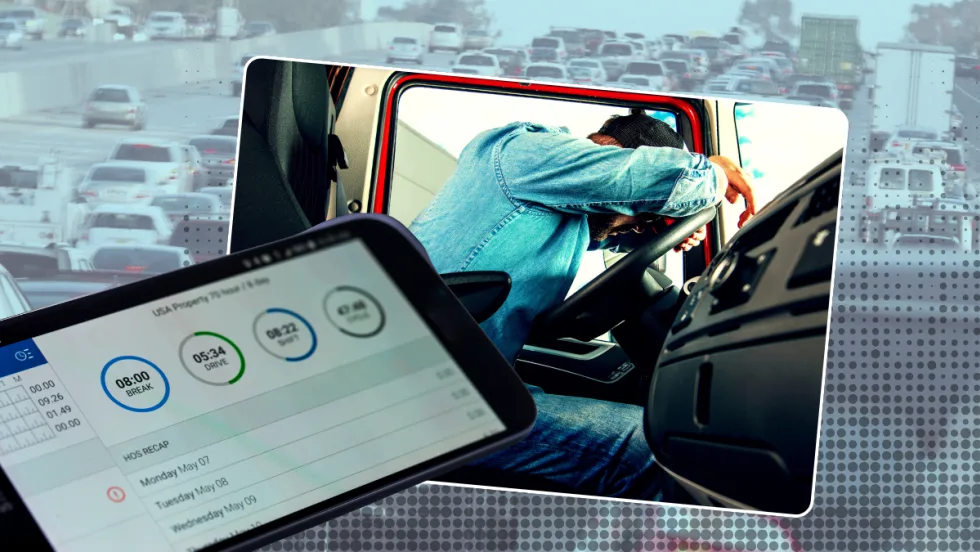
Hours of Service Pilot Programs: FMCSA Readies for 2027 Rollout
Two pilot programs could eventually reshape hours-of-service rules, giving truck drivers options to pause their 14-hour clock or use longer split sleeper rest periods.
Read More →