




U.S., Mexico Will Discuss Border Impasse
The United States is going to open its southern border to long-distance Mexican trucks – the question is when, and how safety will be enforced. In the wake of a ruling that the U.S. violated the North American Trade Agreement by keeping Mexican trucks confined to the border area, U.S. and Mexican trade officials are positioning themselves for negotiation
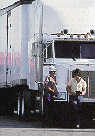
The United States is going to open its southern border to long-distance Mexican trucks – the question is when, and how safety will be enforced.
In the wake of a ruling that the U.S. violated the North American Trade Agreement by keeping Mexican trucks confined to the border area, U.S. and Mexican trade officials are positioning themselves for negotiation.
The ruling by a NAFTA arbitration panel gives Mexico the option of demanding financial penalties from the U.S., but according to a U.S. Department of Transportation official, the Mexicans are willing to talk, instead.
"Much to their credit, Mexico's approach to this issue has been to try and find an amicable solution," said Dave DeCarme, head of DOT’s Maritime, Surface, and Facilitation Division.
President Bush has told Mexican President Vicente Fox that the U.S. wants to open the border, DeCarme said. "As long as both parties continue to talk and move in good faith, the incentive for any imposition of penalties is probably not there."
The dispute revolves around a provision of the trade agreement that scheduled a gradual opening of the border to trucks. Cross-border trucking was supposed to expand from commercial zones to the border states in 1995, but the Clinton administration reneged on that provision, mainly due to pressure from labor unions. A further expansion from the border states to all states in both countries, scheduled for last year, did not happen, either.
DeCarme said he expects discussions with Mexico to begin this month, although no date has been set.
How long will the discussions take? "I haven’t a clue," said DeCarme.
At issue is how the United States will ensure that Mexican trucks and drivers comply with U.S. safety rules.
DeCarme said the DOT is looking at a range of options, including adding more inspectors at the border, improving border facilities, and requiring Mexican companies to comply with U.S. rules such as drug and alcohol testing. DOT also may require Mexican companies to take extra steps, such as providing more information when they apply for an operating permit.
U.S. border states have had varying degrees of success in their efforts to ensure the safety of Mexican trucks. California has done relatively well – the out-of-service rate for Mexican trucks there is about 25%, the same as the U.S. national average. But in Texas the out-of-service rate is 39%.
DeCarme explained that California has the advantage of geography. It had the real estate to built a state-of-the-art border facility right at the port of entry at Otay Mesa near Tijuana.
"You could not do a similar thing in Laredo, where the bridge basically dumps off right downtown," DeCarme said.
Building new facilities raises the question of money. Texas DOT officials are saying they need $70 million to build inspection stations and other facilities.
In one news account, Texas DOT spokeswoman Gaby Garcia said, "We need federal funds. We don’t believe we should bear the financial burden of NAFTA."
Meanwhile, Teamsters in Texas and owner-operators in Ohio have protested Bush's plans to open the border, charging that Mexican trucks are unsafe and that the DOT does not have enough inspectors to enforce the rules.
The Mexican government, which brought the issue to the NAFTA panel, supports opening the border. But many Mexican truckers, concerned that reciprocal access for U.S. trucks into Mexico will harm them competitively, have protested the opening.
More Equipment
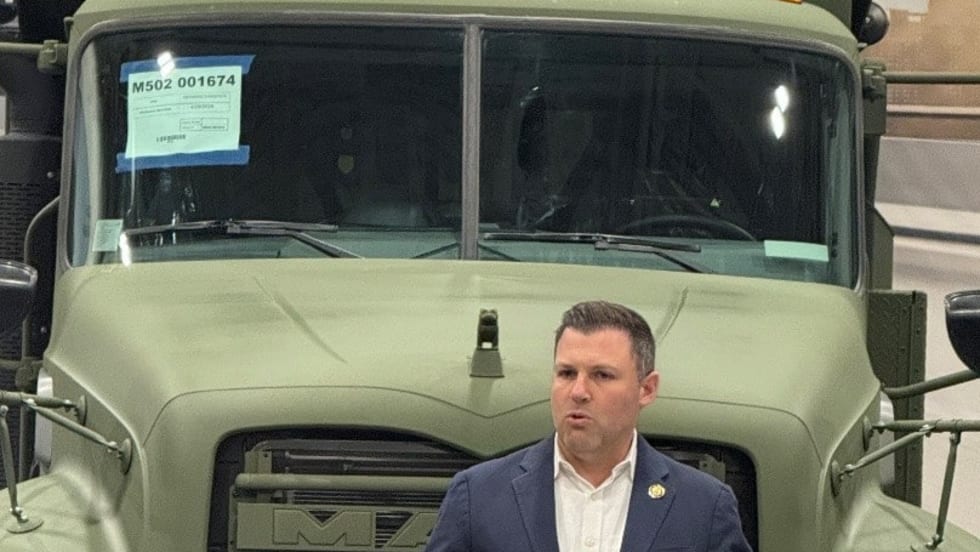
Mack Defense Secures $47 Million to Continue Military Dump Truck Production
President Trump visited Mack Defense’s Macungie, Pennsylvania, facility on June 23 to tout a $47 million Heavy Dump Truck order.
Read More →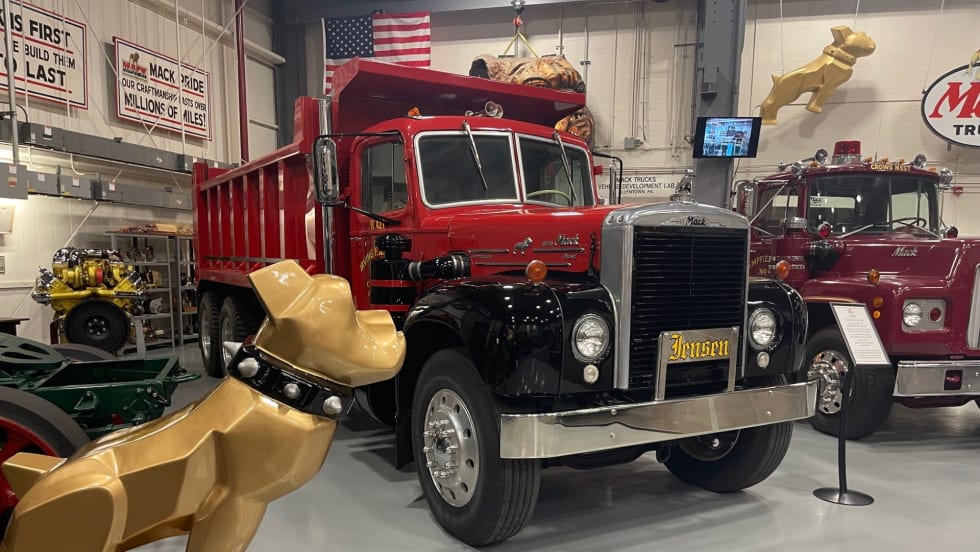
New (Antique) Trucks Take the Spotlight at the Mack Trucks Museum
The Mack Trucks Historical Museum has a slate of new historic vehicles on display this year.
Read More →
WEX, TFS Launch Equipment Financing Program for Trucking Fleets
The companies say the program uses technology to connect fleets with financing providers more efficiently than traditional lending channels.
Read More →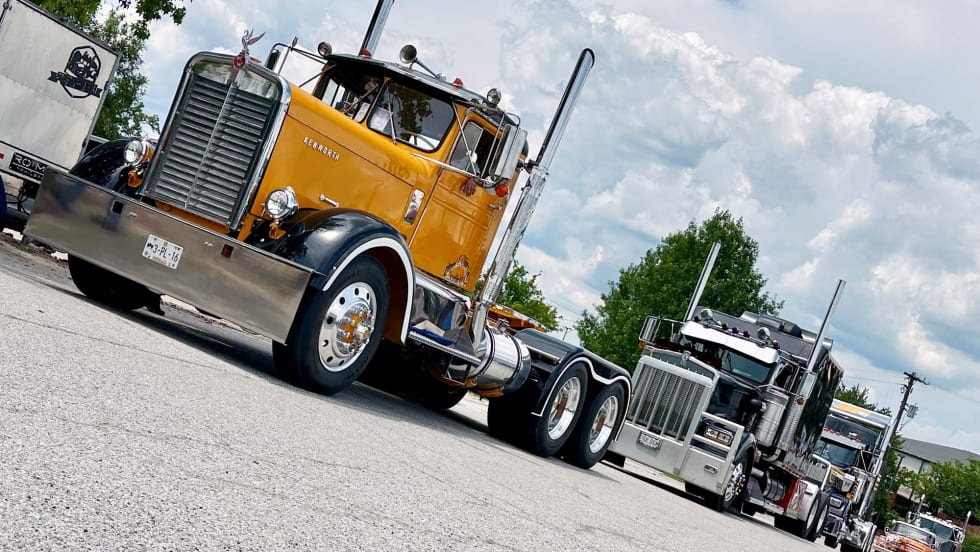
Historic, Vintage, and Antique Trucks at the 2026 ATHS Convention
More than 500 trucks were on display, indoors and out, at the 2026 American Historical Society annual convention in Springfield, Missouri.
Read More →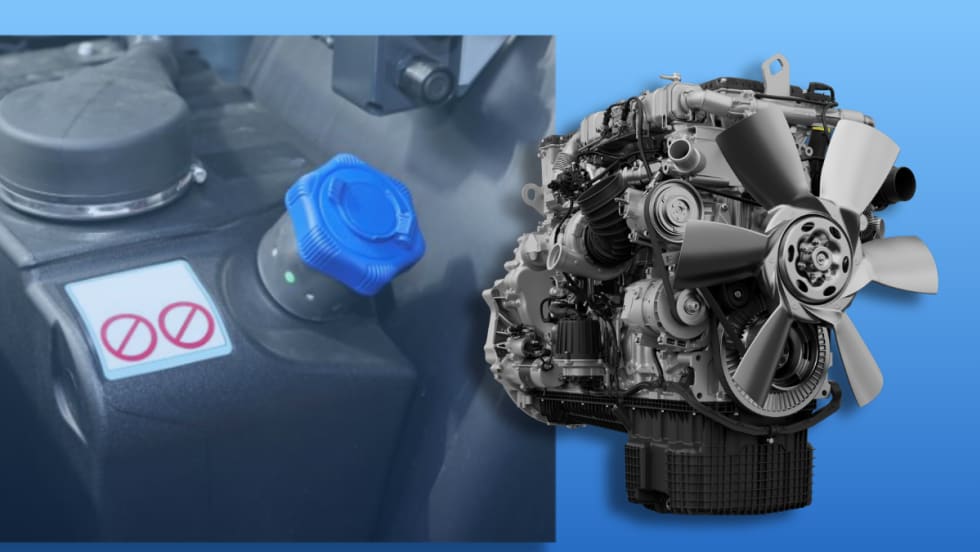
DTNA Software Update Gives Truckers More Time Before DEF Derates Take Effect
The changes reflect EPA guidance aimed at reducing downtime caused by emissions-system faults while maintaining compliance requirements.
Read More →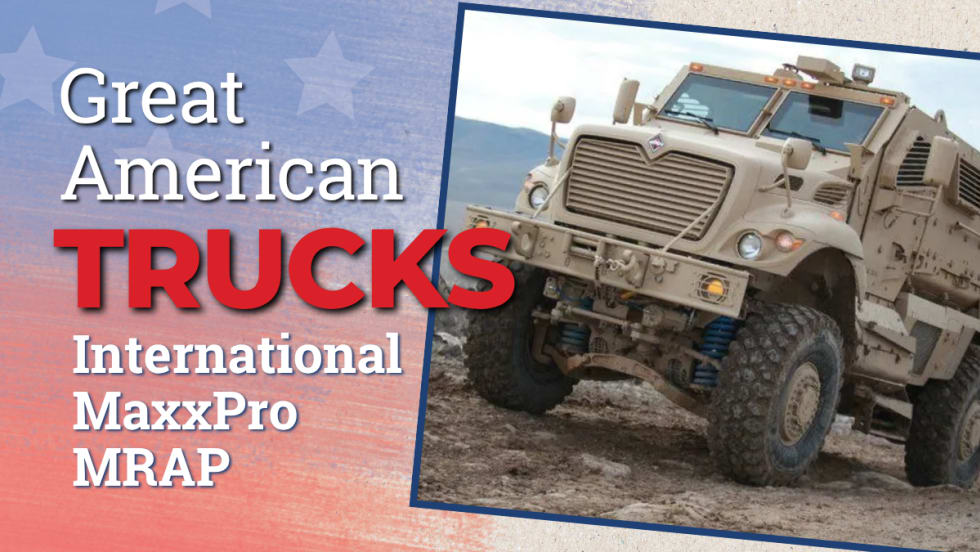
Great American Trucks: The International MaxxPro MRAP
Built from an International WorkStar chassis and powered by a MaxxForce diesel, the MaxxPro MRAP became one of the most important military trucks of the Iraq War era.
Read More →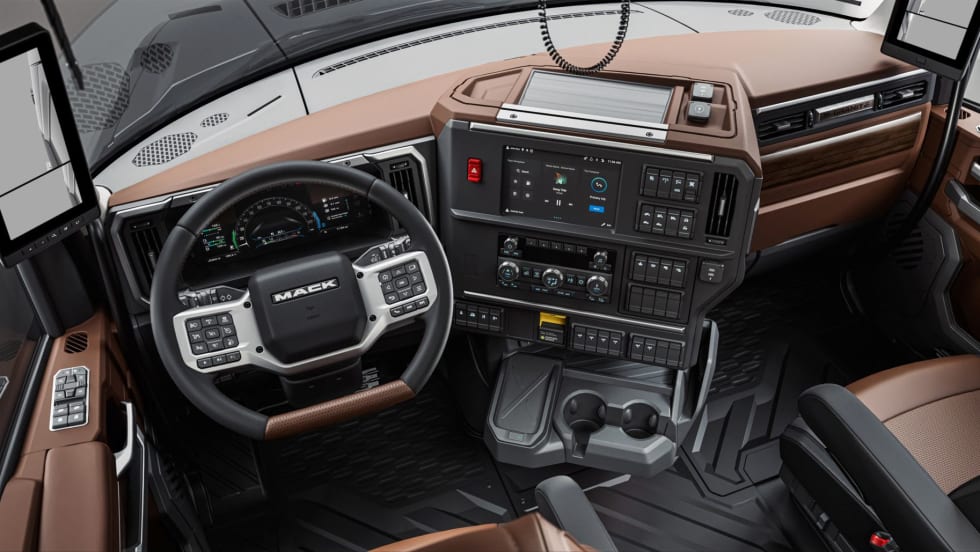
New Mack Granite Cab Puts Driver Comfort Front and Center
Mack’s next-generation vocational truck features a roomier cab, premium seating, advanced steering technology, and a driver-focused interior designed with direct input from professional operators.
Read More →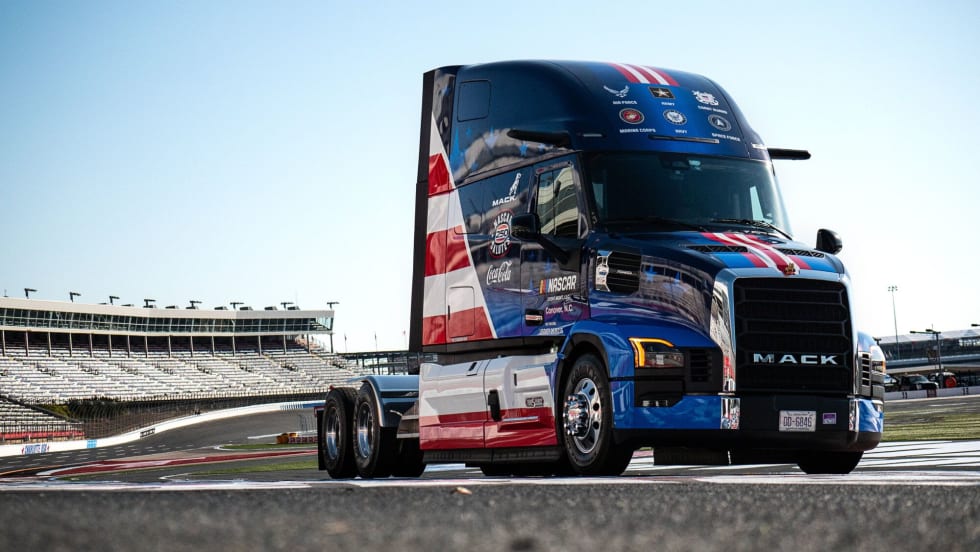
Mack Unveils Fan-Selected Patriotic NASCAR Pioneer Wraps
Racing fans picked the patriotic design now featured on three Mack Pioneer trucks hauling NASCAR equipment across the country during the 2026 season.
Read More →
Michelin Expands X Line Grip D Tire Line
Michelin is expanding its X Line Grip D drive tire lineup with a new pre-mold retread and additional sizes, building on what the company says is strong fleet adoption of the tire's traction, mileage, and fuel-efficiency benefits.
Read More →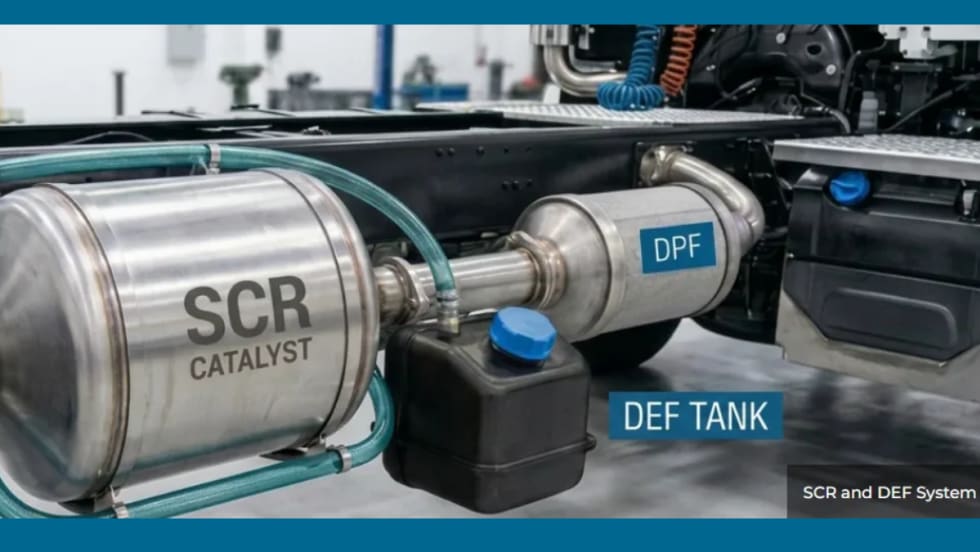
Engine Technology Forum Launches SCR, DEF Resource Center Amid Emissions Debate
The Engine Technology Forum’s new online hub aims to provide fleets, policymakers, and equipment owners with fact-based information about selective catalytic reduction technology, diesel exhaust fluid and emissions compliance.
Read More →