




UPS Pays $1.3 million to Settle New York State Maintenance Violation Case
Following a four-year investigation by the New York State Attorney General's office alleging that UPS failed to maintain it vehicles and ignored out-of-service orders issued by its own mechanics, the company says it agreed to settle rather than spend additional time and money on the case.
Following a four-year investigation by the New York State Attorney General's office alleging that UPS failed to maintain it vehicles and ignored out-of-service orders issued by its own mechanics, the company says it agreed to settle rather than spend additional time and money on the case.
In a statement issued on Tuesday, UPS said it, "neither admits nor denies the allegations that formed the basis of the investigation. UPS made a business decision to sign this settlement to avoid expending additional funds and resources."
According to N.Y. Attorney General, Eric Schneiderman, UPS knowingly permitted package delivery trucks in serious disrepair to be driven and operated by UPS employees throughout New York State.
"UPS knowingly endangered not only the lives of their own employees but the lives of the driving public," said Attorney General Schneiderman. "By keeping these rotting and decaying trucks on the roadways, UPS was an accident waiting to happen, and this office has zero tolerance for anyone who knowingly poses a serious and significant risk to New Yorkers."
The investigation began in 2006 after a UPS mechanic in Watertown N.Y. advised the Office of the Attorney General that the company had allowed four package delivery trucks to remain in service without being repaired after he had removed them from service because they had cracked frames.
The OAG says that further investigation revealed the problem appeared to be statewide. In 2004, at least 23 delivery trucks were identified by UPS supervisors during the vehicle assessment process as having "cracked" or "rotted" frames. None of these trucks were taken out of service, the OAG claims.
"Instead, all were kept in regular, continuous service for months, and in some instances, for up to two years. These trucks also logged a significant number of miles in the process, without the required frame repairs," the OAG said in a statement.
It is further alleged that in 2005, 106 delivery trucks were identified by UPS supervisors as having "frame cracks" or "needing complete frame assemblies."
UPS is licensed by New York State to do its own vehicle inspections and certifications, and passed the trucks despite their alleged poor condition.
UPS says there has never been an accident or injury relating in any way to the allegations made by the New York attorney general.
In its statement, UPS said investigations conducted by the U.S. Department of Transportation as well as an independent expert concluded that the UPS fleet was safe in all respects -- a conclusion that was never challenged, claims UPS.
"Both physically inspected UPS's fleet in New York and reviewed the same records the AG's Office reviewed," says UPS spokesman, Norman Black. "The U.S. DOT's safety inspector "paid special attention to frames," but concluded that "[n]o frame violations were found.""
"To even suggest that UPS would knowingly endanger the lives of its employees or driving public is untrue and was not substantiated by any evidence in this case," Black noted. "UPS has agreed to comply with additional inspection requirements in New York because of its commitment to safety.
Under the agreement, UPS paid $1.3 million in penalties, fines and costs, and consented to have an independent inspector conduct New York State vehicle inspections of UPS trucks in service within New York State for the next five years.
More Drivers
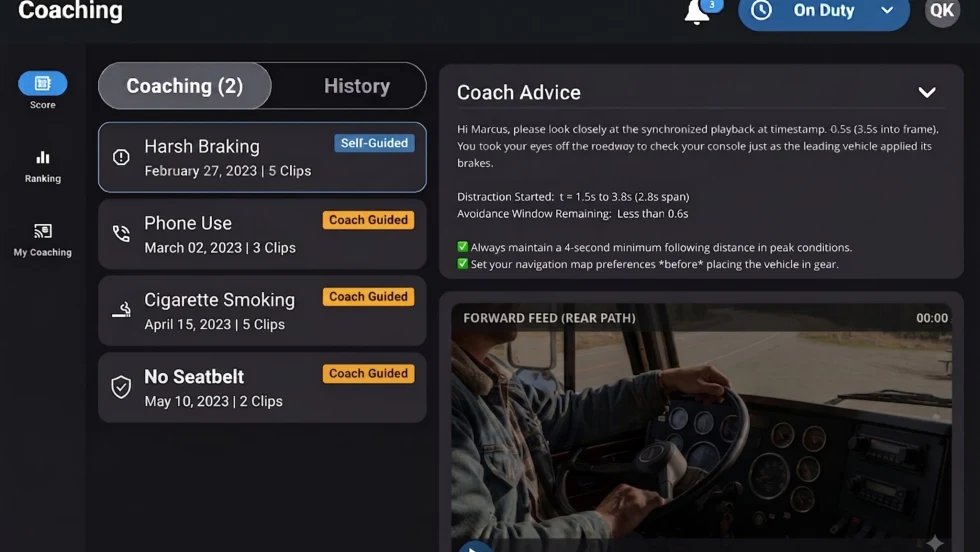
Platform Science Adds Dispatch and Safety Tools
Four additions to PS Fleet help fleets monitor loads, manage driver coaching, share truck locations and adjust video system settings.
Read More →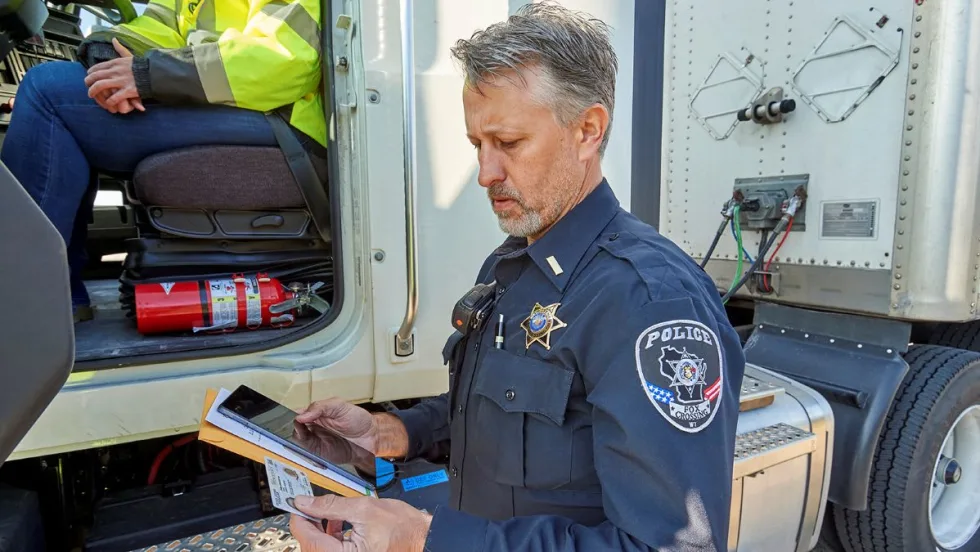
When Language Stops the Truck: The Return of ELP Out-of-Service Orders
English language proficiency rules for commercial drivers aren’t new, but renewed out-of-service enforcement has raised the stakes. Here’s what carriers need to know before a driver reaches a roadside inspection.
Read More →
Samsara Launches Custom AI Agent Builder
Agent Studio lets fleets create AI tools for hours-of-service monitoring, reporting and driver support, including agents that communicate by phone.
Read More →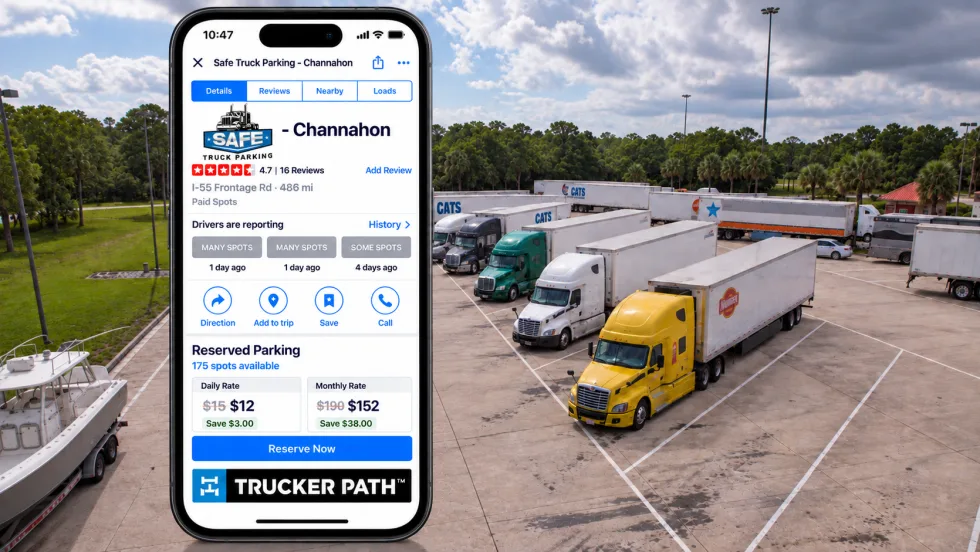
Trucker Path Expands Reserved Parking Network
Trucker Path has added close to 6,000 more truck parking spaces to its Trucker Path Reserved Parking Network with the addition of Safe Truck Parking.
Read More →
EEOC Sues Texas Trucking Company Over Driver Age Limits
The agency says Trancasa USA rejected applicants over 65 and applied tougher driving-record standards to those over 60.
Read More →
Nussbaum, Roehl Announce Second Driver Pay Increase This Year
This year has seen a swath of major truck driver pay increases as freight capacity has tightened.
Read More →
From One Generation to the Next: How Mentorship Builds Safer Truck Drivers
After three decades in trucking, Harold Perry shares what he's learned about driver safety, mentorship, and helping the next generation build confidence behind the wheel.
Read More →
Truck Drivers Need More Than Another Alert
Fleets have more visibility into truck health, safety events, and driver activity than ever. The next challenge is turning all that information into useful guidance for the person who has to decide what to do next.
Read More →
FMCSA Removes 110 Truck Driver Training Schools from Certified ELDT List
Federal regulators also are targeting more than 160 additional training providers and launching a nationwide audit of third-party CDL skills testers as part of a broader crackdown on trucking fraud.
Read More →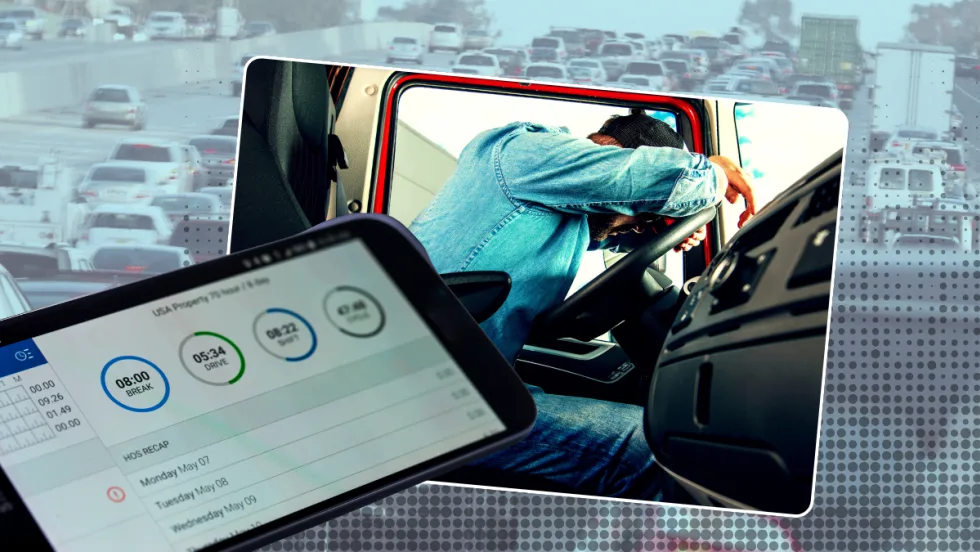
Hours of Service Pilot Programs: FMCSA Readies for 2027 Rollout
Two pilot programs could eventually reshape hours-of-service rules, giving truck drivers options to pause their 14-hour clock or use longer split sleeper rest periods.
Read More →