




Updates Await eManifest System at Canadian Border
Buckle up, because the Canada Border Services Agency is changing its commercial border processes. The changes are meant to make customs clearance more efficient, but they will also require carriers to make some changes in the ways they communicate with CBSA, according to website of Today’s Trucking magazine.
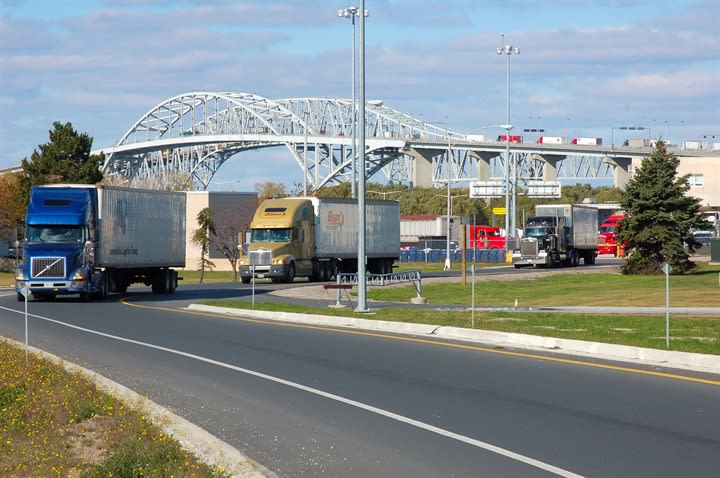
Photo by Jim Park
Buckle up, because the Canada Border Services Agency is changing its commercial border processes. The changes are meant to make customs clearance more efficient, but they will also require carriers to make some changes in the ways they communicate with CBSA, according to website of Today’s Trucking magazine.

Photo by Jim Park
Two major changes are on the horizon that will help CBSA assess for risk as a single unit. Before, when CBSA considered giving good and people access into Canada, it looked at documentation as separate parts.
Changes come into effect July 2014:
CBSA’s Release Notification System (RNS) messages are being replaced by new messages known as “Completeness Notices,” which are pre-arrival notices. “Disposition Notices,” which are post-arrival notices, will also be introduced. The new “Advance Commercial Information (ACI) Notices” aim to give carriers greater visibility into the status of a shipment throughout the process of transportation and importation into and through Canada up to, and including, release.
Existing EDIFACT maps were built by CBSA not in accordance with World Customs Organization (WCO) standards. Because of this, CBSA is making changes to Electronic Data Interchange (EDI) map s that EDIFACT maps can be brought in line with WCO standards. ANSI maps will also be impacted.
So here’s a quick run-down of how things run at the border. Advance Commercial Information, also known as eManifest is submitted to CBSA through Electronic Data Interchange for highway cargo and conveyance submissions so that CBSA officers can identify health, safety and security threats related to commercial goods before the goods arrive in Canada. The eManifest message maps (cargo, conveyance) are in ANSI and EDIFACT standards.
So when the upgrade comes into effect July 2014, carriers that use EDI to communicate with CBSA will have to make changes to their system or risk losing communication. But, carriers will have one full year to transition from current systems to the new systems.
These changes do not impact highway carriers that exclusively use the ACI Portal or a service provider for eManifest.
The impact to each carrier depends on where they are in the process of communicating with CBSA today. While there will be widespread impact, it is unclear to what extent this will effect each carrier’s operations.
CBSA has reached out to the Canadian Trucking Alliance to put together a group of carriers to help understand the changes’ impact so they can try to minimize impact.
CTA also said in a press release that they will host a free webinar for carrier members to give details on what’s being changed and when and the impact on business as well as the benefits from increased visibility to shipments, and what carriers can be doing now to prepare.
More Fleet Management
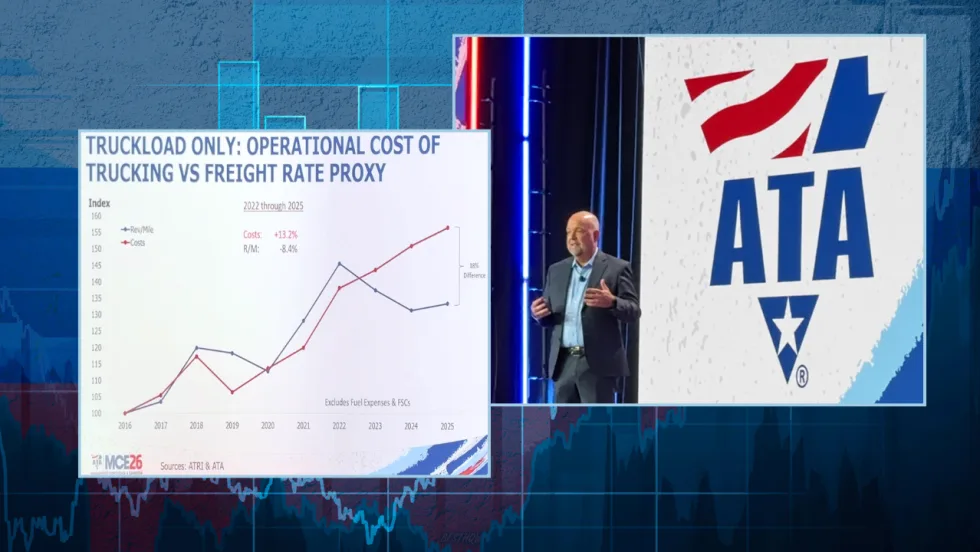
Why This Trucking Recovery Is Different
Freight demand remains sluggish, but rising costs and tougher enforcement have taken enough capacity out of the market to change the outlook for motor carriers.
Read More →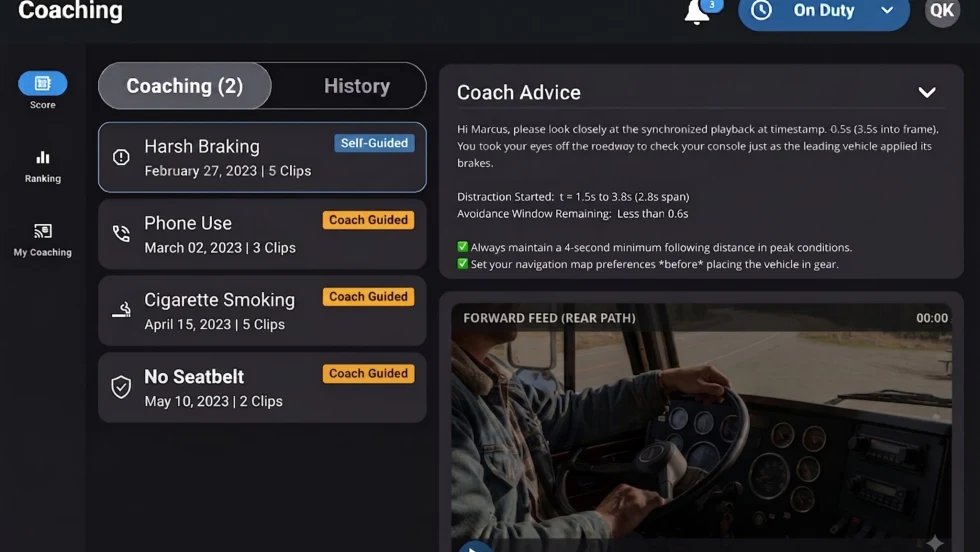
Platform Science Adds Dispatch and Safety Tools
Four additions to PS Fleet help fleets monitor loads, manage driver coaching, share truck locations and adjust video system settings.
Read More →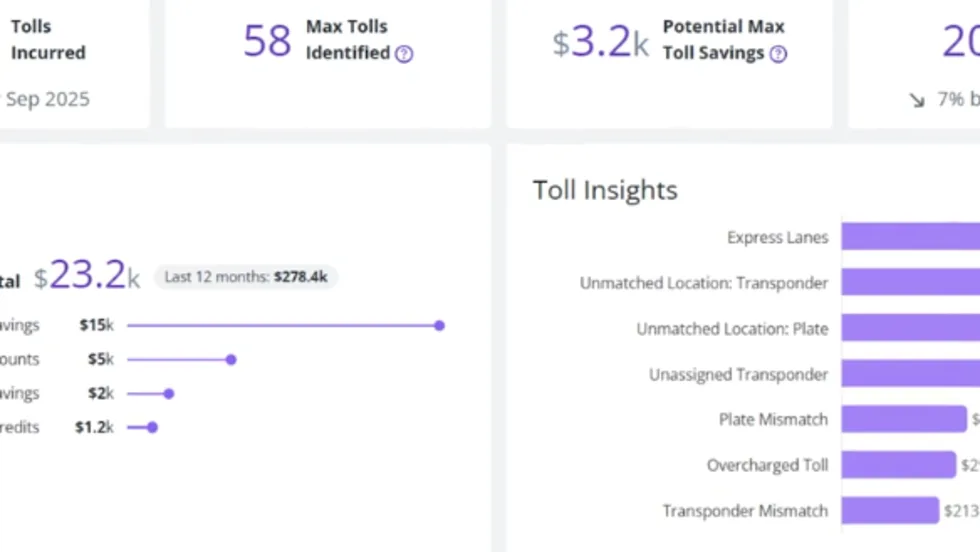
PrePass Intelligence Mines Fleet Bypass, Toll and Safety Data
PrePass Intelligence helps fleets measure bypass savings, flag potential toll overcharges, and spot suspicious transactions by combining data from separate systems.
Read More →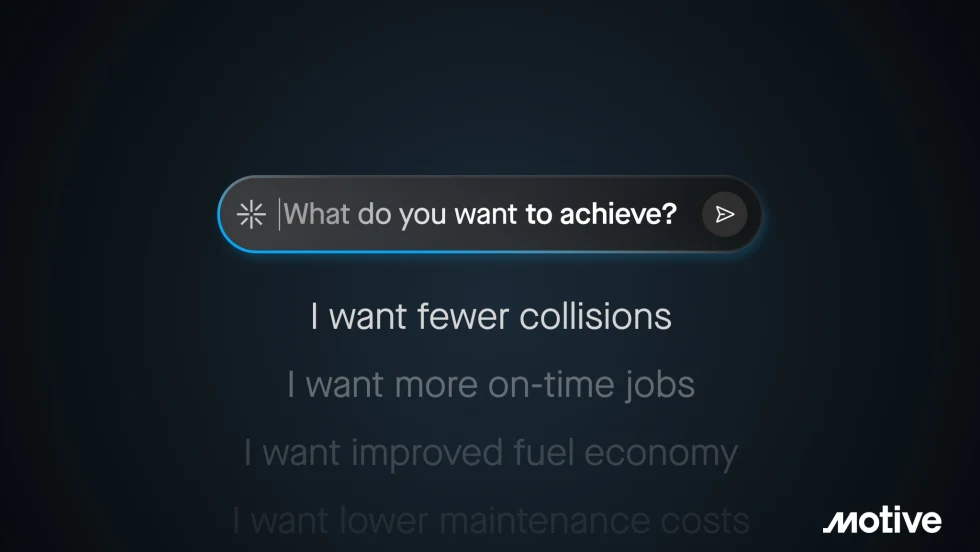
Motive Adds AI Agents for Fleet Operations
New tools automate follow-up on fleet data, from maintenance work orders to driver alerts, with two-way voice conversations planned for later this year.
Read More →
Can You Beat Our Trucking Trivia Challenge?
Test your truck knowledge with 19 trivia questions from Heavy Duty Trucking Exchange. Can you keep up with the fleet pros?
Read More →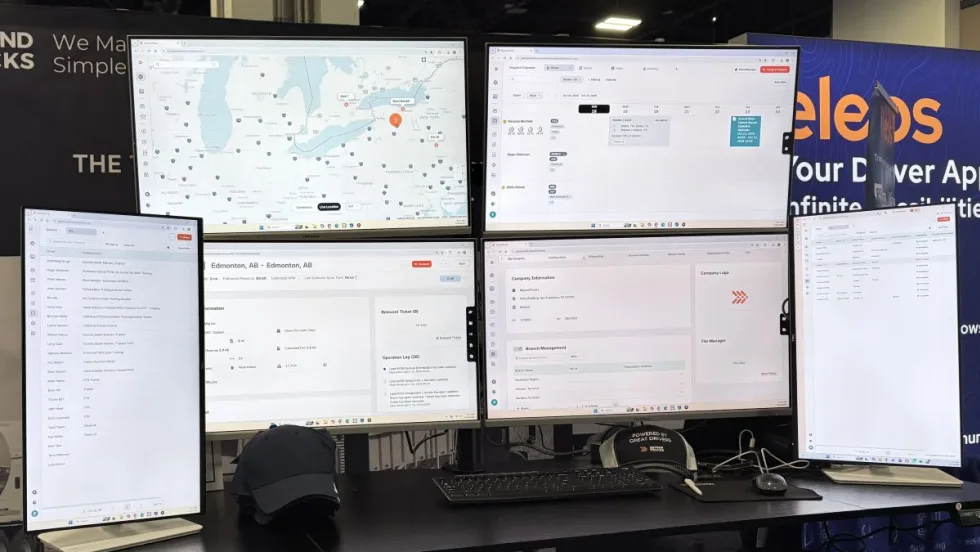
BeyondTrucks Adds Rules Checks to Dispatch
New Compatibility Engine checks driver qualifications, equipment requirements and fleet policies before loads are dispatched.
Read More →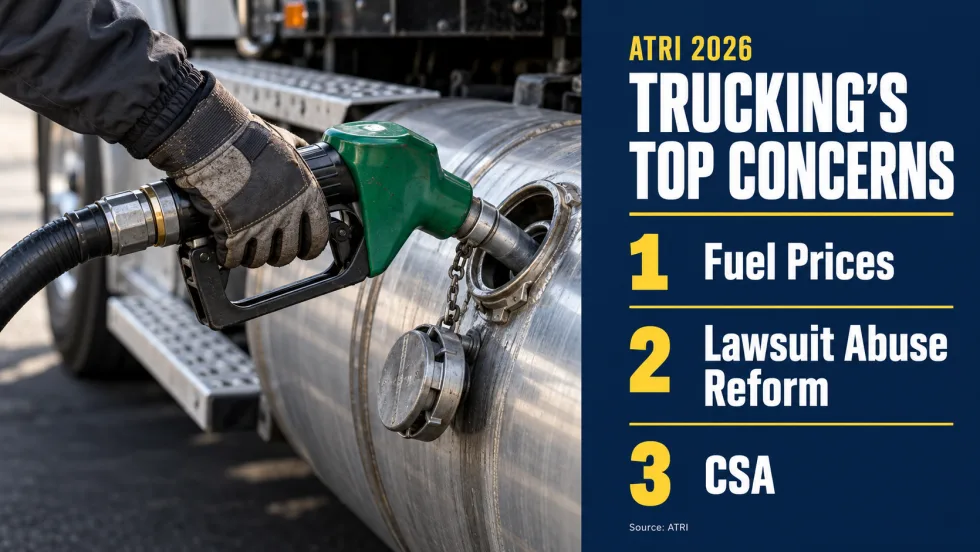
Diesel Prices Hijack Trucking’s Worry List
ATRI’s annual survey finds cautious optimism about freight, but diesel costs, litigation, and insurance continue to squeeze fleets. Drivers have different priorities on several issues.
Read More →
Nomination Deadline Extended for HDT Emerging Leaders
Just a few more days to nominate accomplished trucking fleet professionals under 40 who are making an impact and helping lead the industry forward for the HDT Emerging Leaders award. Deadline extended to October 20!
Read More →
What Will ATA’s New Leader Bring to Trucking's Table?
Incoming President and CEO Mark Colson’s record in Alabama offers clues about his priorities and approach following Chris Spear’s abrupt departure as the head of the American Trucking Associations.
Read More →
Volvo, Waabi Start Commercial Autonomous Operations in Texas
Volvo VNL Autonomous trucks, powered by the Waabi Driver, are hauling freight directly to third-party facilities for a customer in Texas.
Read More →