




TSA Delays Hazmat Background Checks
The Transportation Security Administration (TSA) issued an amendment this week to the interim final rule regarding implementation of background checks for commercial drivers license holders with the hazardous materials endorsement
The Transportation Security Administration (TSA) issued an amendment this week to the interim final rule regarding implementation of background checks for commercial drivers license holders with the hazardous materials endorsement.
The interim final rule, originally issued May 5, implements the legal mandates of the USA Patriot Act in this regard, as well as the requirement of the Safe Explosives Act.
TSA's amendment responds to petitions filed by the American Trucking Assns. (ATA) and 23 states. Those petitions requested the Nov. 3 implementation date for fingerprint-based background checks be delayed due to administrative, technical and procedural challenges that must be overcome in deploying such a system.
TSA's announcement contains two important determinations:
-- That the states are in the best position to individually determined the means, systems and processes to collect fingerprints and administer the HME process, rather than a process to collect and channel fingerprints and to conduct adjudication of criminal records
-- That TSA is in the best position to determine what individuals pose a national security threat and would thereby be ineligible for the HME, as well as the waiver and appeal process.
The amendment:
-- Commits TSA to complete name-based background checks of all existing HME CDL drivers by December 2003. States will be notified to revoke the HME of drivers who are discovered to have disqualifying offenses or otherwise pose a national security threat. As in the original interim final rule, drivers could then submit to a fingerprint-based application process in order to rectify the record.
-- Requires states to implement a fingerprint-based background check process, in compliance with TSA regulations and the fingerprint requirements of the Federal Bureau of Investigation by April 1, 2004 in order to continue to issue or renew CDLs with the HME.
-- Advises states that can justify why they cannot implement a fingerprint-based process by April 1 can request an extension of the date until Dec. 1, 2004, subject to TSA approval, but the state must have an implementation plan describing their in place by April 1.
-- Determines that TSA specifically will not roll back the requirement that drivers, as of Sept. 3, 2003, are currently required to self-disclose they are disqualified under TSA's criteria and to surrender their CDLs to their state Department of Motor Vehicles for revocation of the HME.
ATA, in a meeting with TSA on Nov. 4, continued to express concerns of the industry in allowing states to develop programs with potentially significant differences in criteria and processes that could undermine the concept of a transportable, uniform security credentialing program.
ATA continues to advocate for a system that includes market-oriented fingerprint collection systems in order to maximize efficiency and convenience for drivers, minimizes costs and lost productivity and provides a means for inclusion of motor carriers in the threat notification process.
TSA will soon issue a revised proposed rule, which is expected to address some of the threat assessment procedural issues and which will allow an opportunity for formal comment on the background check process and the cost associated with the requirement.
For further information, for a copy of the amendment to the interim final rule and for other information on these regulations, see TSA's USA Patriot Act web page.
More Drivers
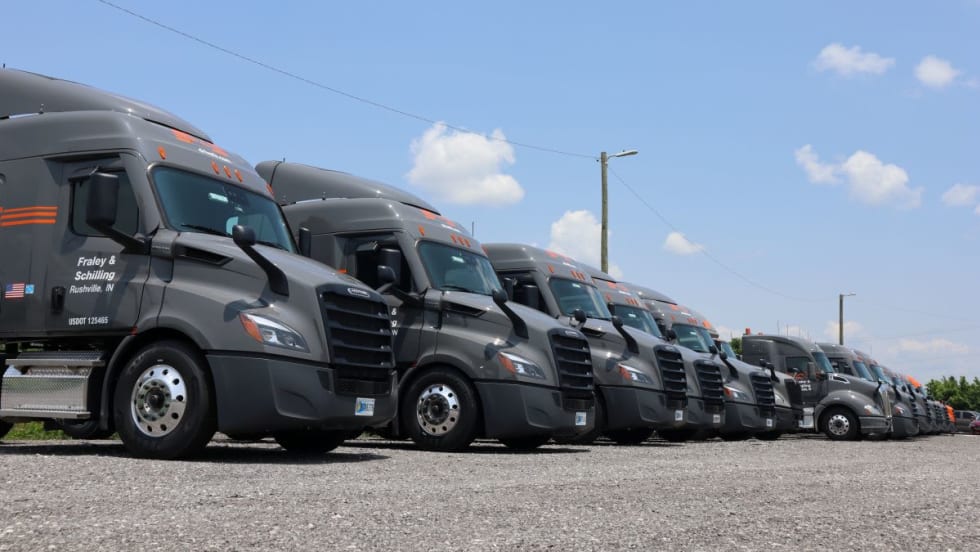
How Fraley & Schilling Improved Logbook Compliance by Over 50%
Fraley & Schilling needed a way to close a compliance workflow gap in its ELD system without adding more work from driver training, reminders, and back-office follow-ups. It found the answer in a custom driver app.
Read More →
Volvo Goes Gaming
Volvo has roared into American Truck Simulator with two new flagship trucks.
Read More →
What the Best Fleets to Drive For Teach About Driver Retention
Survey fatigue, AI-powered routing, owner-operator expectations, and the decline of social media all emerged as themes from this year's Best Fleets to Drive For program.
Read More →
Driver Retention Lessons From the Best Fleets to Drive For
What separates trucking's best workplaces from the rest? Jane Jazrawy shares the biggest lessons from this year's Best Fleets to Drive For program on driver retention, communication, AI, and workforce trends on the HDT Talks Trucking podcast.
Read More →
Farewell, CDL: Why I'm Giving Up My Commercial Driver's License
After more than 20 years as a CDL holder, HDT Executive Editor Jack Roberts is letting his commercial license expire. Not because he wants to — but because trucking's nuclear verdict crisis has made the risks of public-road test drives too great for editors, manufacturers, and everyone involved.
Read More →
How Top Trucking Fleets Improve Driver Retention [Video]
What do healthy snacks, optimized routing, and just picking up the phone have in common? They're all strategies the Best Fleets to Drive For are using to retain truck drivers.
Read More →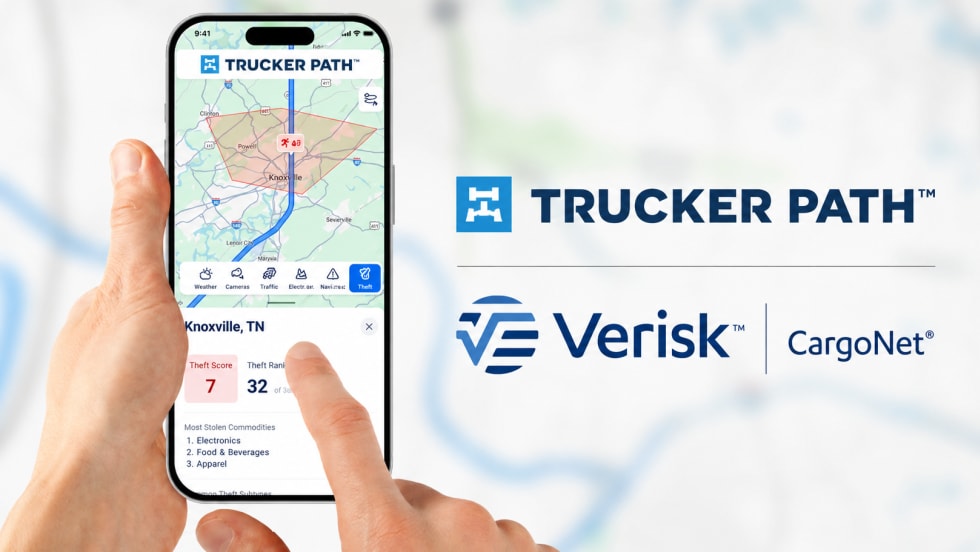
Trucker Path Adds Verisk CargoNet Theft Data to Navigation Platform
Trucker Path’s new cargo theft risk overlays give drivers and fleets visibility into high-risk areas, stolen commodity trends, and theft hotspots.
Read More →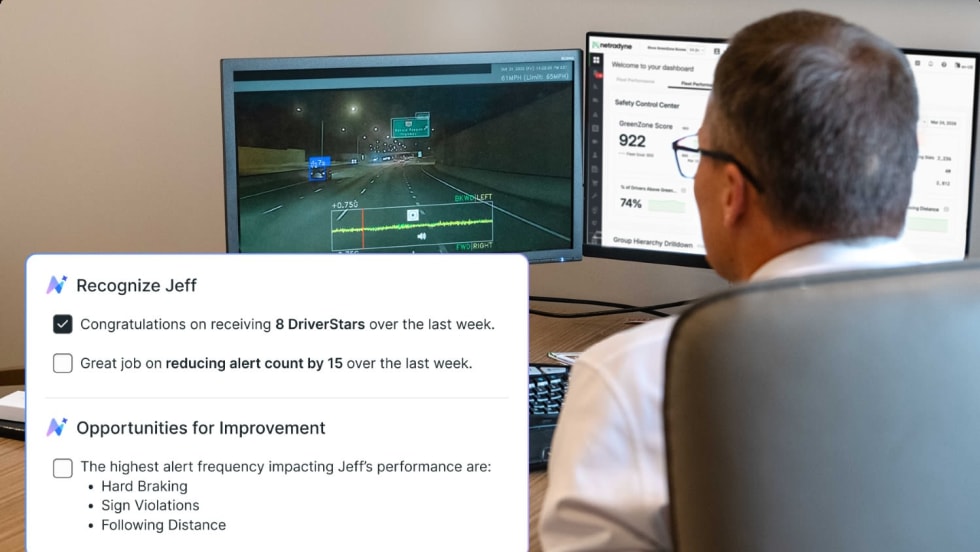
Netradyne Intelligence Uses New AI Agents to Automate Response to In-Cab Camera Data
The company called the next-generation in-cab camera safety platform "a fundamental shift from systems that report on what happened to systems that actively drive what should happen next."
Read More →
Why Truck Detention Keeps Costing Fleets Time and Money
A 2024 ATRI study found detention affects nearly 40% of truckload stops and costs the industry more than $15 billion annually. Despite the toll on drivers, fleets, and supply chains, the problem remains stubbornly persistent.
Read More →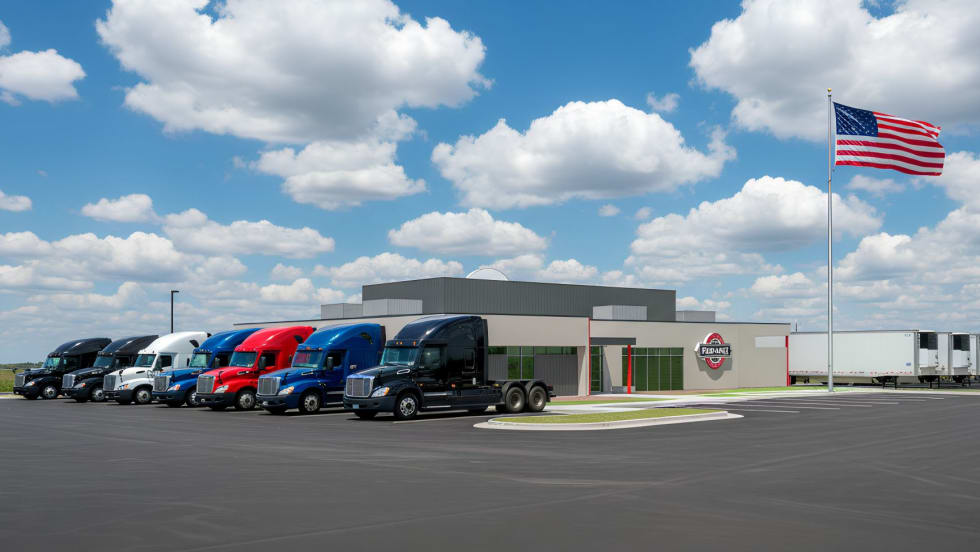
Prime Inc. to Open $7.9M Flagship Used-Truck Dealership
A new driver-focused facility to sell Prime Inc's used trucks and trailers will be the first purpose-built location in the company's history.
Read More →