




Trump ‘Freeze’ Only Technically Delays Driver-Training Rule
Thanks to a “Regulatory Freeze Pending Review” issued by the White House, the Federal Motor Carrier Safety Administration has “temporarily delayed” the effective date of its final rule on minimum entry-level CDL training requirements.


Photo: FMCSA

UPDATED. Thanks to a “Regulatory Freeze Pending Review” issued by the White House on Jan. 20, the Federal Motor Carrier Safety Administration has “temporarily delayed” the effective date of its final rule on minimum entry-level CDL training requirements until March 21.
However, while the rule’s effective date has been extended, the agency did not adjust the rule’s all-important compliance date— which remains Feb. 7, 2020. In practical terms, that means this delay is only a move on paper.
On the other hand, the notice goes on to point out that FMCSA “may consider delaying the effective date of the above referenced regulation beyond March 21, 2017, consistent with the memorandum of the Assistant to the President and Chief of Staff.” So, there could be another delay announced after this one— or not.
The agency explained that the “freeze” memorandum, issued by President Trump’s Chief of Staff Reince Priebus, directed agencies to temporarily postpone for 60 days from the date of the memo, the effective dates of certain regulations that had been published in the Federal Register, but had not yet taken effect.
“Because the original effective date of the final rule published on December 8, 2016, falls within that 60-day window, the effective date of the rule is delayed until March 21, 2017,” FMCSA stated.
Avery Vise, president of compliance consultancy TransComply, told HDT that in his view "the one thing we can take from FMCSA's response to the Priebus memo is that by delaying the effective date, DOT and FMCSA must believe they have discretion to discard the rule if they find it raises 'substantial questions of law or policy.'"
The rule was mandated by Congress under the MAP-21 highway bill, passed in 2012. FMSCA said the rule was based, in part, on recommendations of the agency’s Entry-Level Driver Training Advisory Committee, a negotiated rulemaking committee that held a series of meetings in 2015.
Although applauded by trucking interests, including the American Trucking Associations, the rule remains controversial because it does not include a requirement for 30 hours of behind-the-wheel training for new drivers, which had been included in the notice of proposed rulemaking that FMCSA issued in March, 2016.
Indeed, a petition to reconsider provisions of the rule was filed with FMCSA by Advocates for Highway and Auto Safety, the Owner-Operator Independent Drivers Association, the Truck Safety Coalition and Citizens for Reliable and Safe Highways on Dec. 21.
The petitioners wrote that they are concerned the rule will “not ensure that CDL applicants who can pass the state CDL skills test will spend any time actually operating a CMV on public roads with an experienced instructor encountering safety critical situations.”
However, in one of his last official acts as FMCSA administrator, Scott Darling denied the petition in letters to the petitioners dated Jan. 19. He rejected their argument largely on the basis that FMCSA's decision not to include the minimum behind-the-wheel requirements was "thoroughly explained" in the final rule.
"In support of your position that a minimum BTW hours requirement should be included in the final rule, you largely repeat points previously raised in your comments to the NPRM and in other public statements," Darling wrote to the petitioners. "Although you cite recent increases in the number of large truck crashes involving injuries and fatalities, you neither assert nor offer any evidence that a lack of driver training was the cause of – or even a factor in – any of those crashes."
In another wrinkle, it seems the agency has removed the electronic copies of Darling's letters to the petitioners from the official docket posted online. According to TransComply’s Vise, the denial letters had been posted at www.regulations.gov on January 25. However, he advised, “at some point since then the letters have been removed from the docket.”
Updated on Feb. 2 to include information on electronic copies of petition replies in docket.
More Fleet Management

How Innovative Trucking Leaders Turn Change Into an Advantage
As the pace of change accelerates in trucking, the fleets that adapt best have more than the latest technology. They have cultures that embrace improvement.
Read More →
Freight Broker Bonds Just Got Harder to Get. Here's What That Means for Your Fleet.
When it gets harder for a freight broker to prove they are financially sound, the ones who cannot clear that bar get pushed out of the market. And those are exactly the brokers who used to leave motor carriers holding the bag.
Read More →
Long-Awaited Canadian Border Bridge to Open in Detroit
For trucking, the bridge opening should offer immediate improvements in efficiency and reliability, with new customs facilities, expanded inspection capacity, and direct freeway-to-freeway connections.
Read More →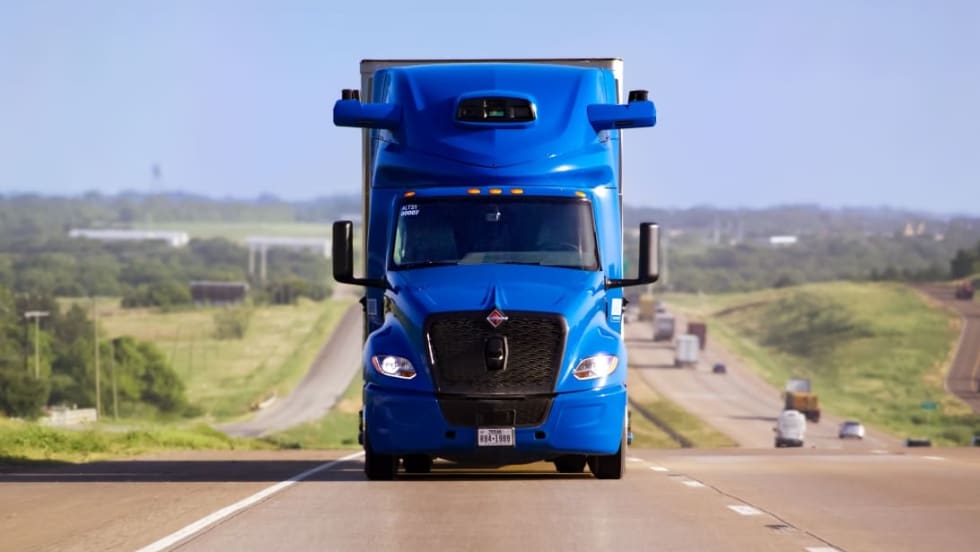
Aurora Rolls Out Next Generation of Driverless Trucks for Commercial Freight
Aurora's latest autonomous trucks it's rolling out with International feature lower-cost hardware designed for a million miles as the company expands commercial driverless freight operations across the U.S. Sun Belt.
Read More →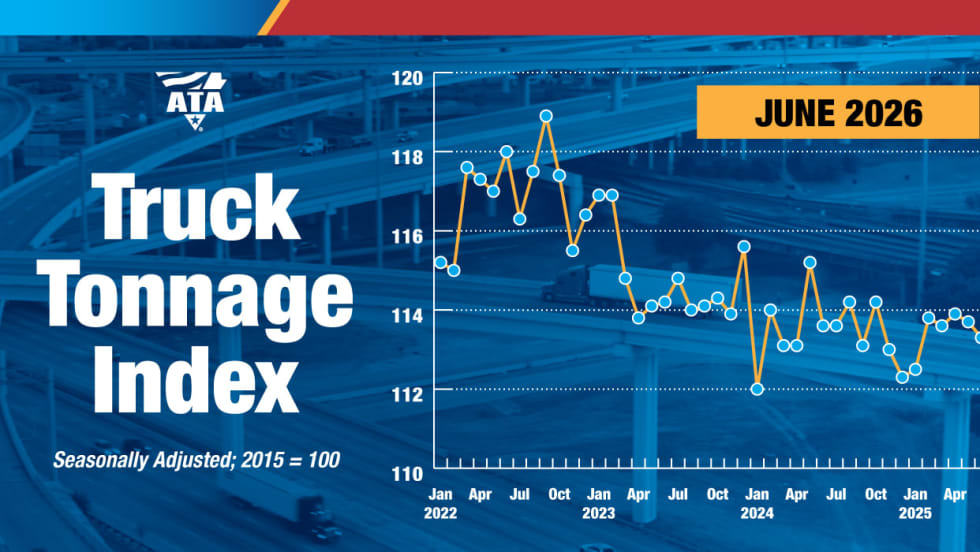
Freight Tonnage Down, Rates up, as Lower Capacity Powers Trucking Recovery
The recovery from the freight recession continues to be driven by reduction in capacity rather than by increased demand.
Read More →
Think Your Trucking Fleet Isn't Using Much AI? Think Again
Shadow AI — the use of unauthorized artificial intelligence tools at work — is becoming increasingly common, putting sensitive company data at risk. Learn how trucking fleets can protect sensitive data while embracing AI.
Read More →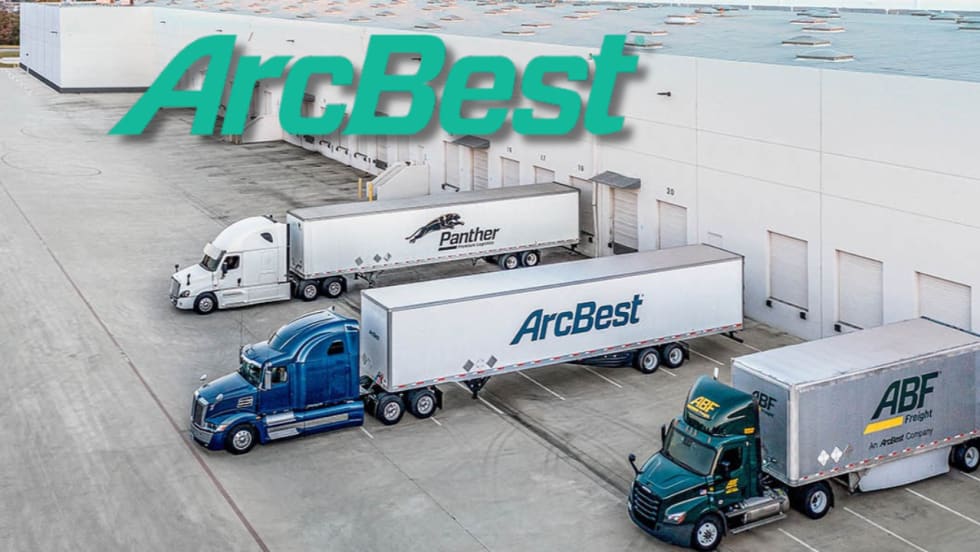
ArcBest Consolidates Brands, Cuts Workforce
The company will bring three business units under the ArcBest brand, eliminate about 2% of positions, and expects the changes to generate $40 million in annual savings.
Read More →
Trucking Fleets Faced Record Operating Costs During Third Year of Freight Recession
ATRI's annual operational cost report shows carriers trimmed fleets, delayed equipment purchases, and ran older trucks as expenses continued to outpace freight rates.
Read More →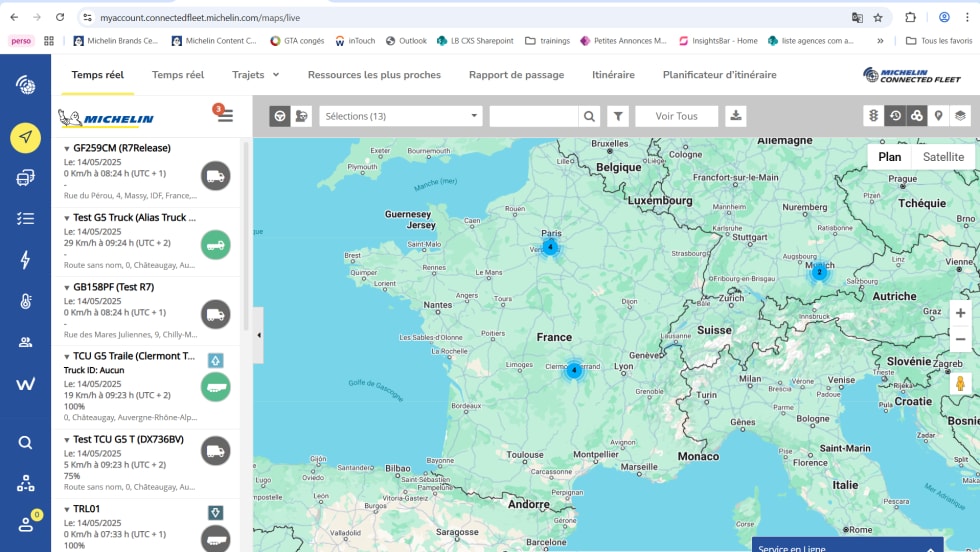
Michelin Adds AI Assistant to MyConnectedFleet Platform
Michelin’s new generative AI tool delivers instant fleet insights, helping managers analyze fuel use, tire maintenance, vehicle status, and operational performance without manually creating reports.
Read More →
LytxOne Platform Now Features AI, Compliance, and Asset Tracking Tools
New enhancements add AI-powered insights, asset tracking, compliance automation, and configurable privacy controls to Lytx's all-in-one fleet management platform.
Read More →