




Trucking Firms Win State Fee Fight at U.S. Supreme Court
Yellow Corp. and the U.S. trucking industry won a Supreme Court battle over the fees that states may impose after the justices ruled that Michigan was charging too much for some trucks
Yellow Corp. and the U.S. trucking industry won a Supreme Court battle over the fees that states may impose after the justices ruled that Michigan was charging too much for some trucks,
according to Bloomberg News and the Associated Press.
Yellow Corp., the nation's largest trucking company, objected to Michigan rules that would have required a $10 yearly payment for each Yellow truck. Critics of the Michigan policy said that, if permitted by the high court and adopted by other states, it might have meant an extra $150 million in annual fees industry wide.
Without dissent, justices sided unanimously with Yellow Freight System, which contested the $10 the state required the company to pay for registering vehicles that have Illinois license plates. Michigan could have to repay $425,000 and stop charging fees for the trucks.
Justice Sandra Day O'Connor, writing for the court, said the Michigan fee increase violated the spirit of a 1991 U.S. law that revamped the federal guidelines for trucking fees. Had Michigan won, other states could have raised registration fees for all trucking companies, Justice Sandra Day O'Connor said in the ruling.
The ruling overturned a Michigan Supreme Court decision.
"To the industry, it is a very good result because it effects all truckers and trucking companies," said Daniel Churay, Yellow Corp.'s senior vice president, general counsel and secretary.
At issue was the court's interpretation of a federal law banning states from charging higher fees than they did in 1991. Michigan changed its method that year for 1992 fees, which the court said was what Congress opposed.
The case revolves around the a law passed by Congress in 1991 that said states could not raise truck registration fees "collected or charged" as of Nov. 15, 1991.
States are allowed to charge a registration fee of up to $10 for every truck that passes through its borders. Many states agree to waive fees for trucks that are registered in another state if the other state allows their trucks to pass through without paying the fee, which helps their trucking companies save money.
Michigan had such an agreement not to charge fees for trucks with Illinois license plates. But in September 1991, Michigan changed its policy to say the trucks must have their principal place of business in Illinois -- not simply a license plate from the state -- to qualify for the waiver in 1992.
Yellow Freight System is based in Overland Park, Kan., but says its 3,700 trucks with Illinois plates should not have to pay the fees because they were not required to do so on Nov. 15, 1991.
Michigan Solicitor General Thomas Casey argued that the state's fee was $10 at the time. He said the state chose to waive it for some truckers, but has the right to change the policy at any time.
Yellow Freight had won in lower courts, but the Michigan Supreme Court
reversed and said the fees were allowed.
More Drivers
How Top Trucking Fleets Improve Driver Retention [Video]
What do healthy snacks, optimized routing, and just picking up the phone have in common? They're all strategies the Best Fleets to Drive For are using to retain truck drivers.
Read More →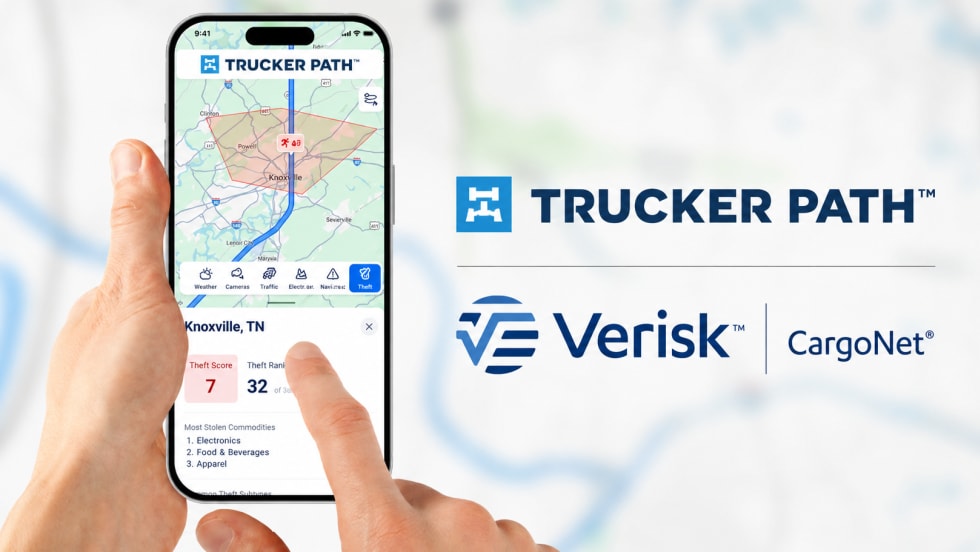
Trucker Path Adds Verisk CargoNet Theft Data to Navigation Platform
Trucker Path’s new cargo theft risk overlays give drivers and fleets visibility into high-risk areas, stolen commodity trends, and theft hotspots.
Read More →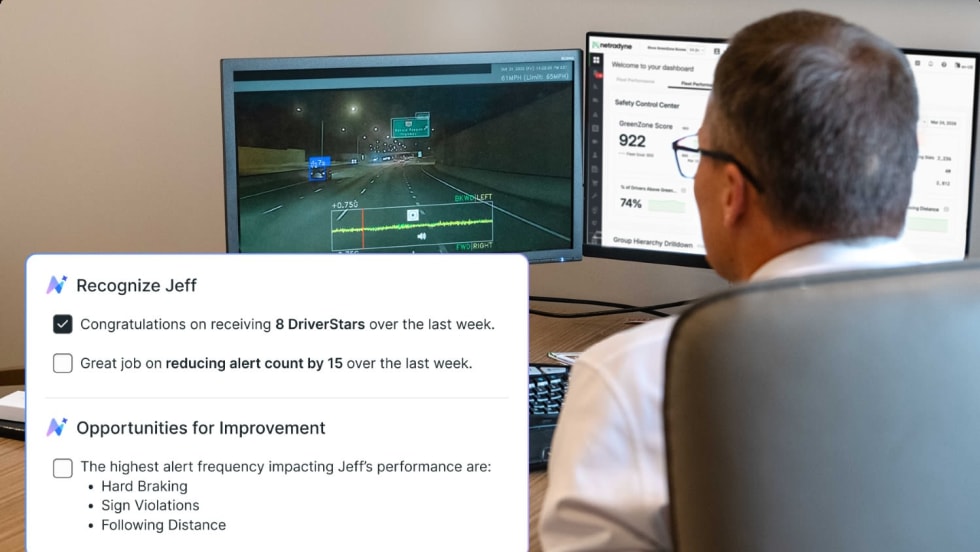
Netradyne Intelligence Uses New AI Agents to Automate Response to In-Cab Camera Data
The company called the next-generation in-cab camera safety platform "a fundamental shift from systems that report on what happened to systems that actively drive what should happen next."
Read More →
Why Truck Detention Keeps Costing Fleets Time and Money
A 2024 ATRI study found detention affects nearly 40% of truckload stops and costs the industry more than $15 billion annually. Despite the toll on drivers, fleets, and supply chains, the problem remains stubbornly persistent.
Read More →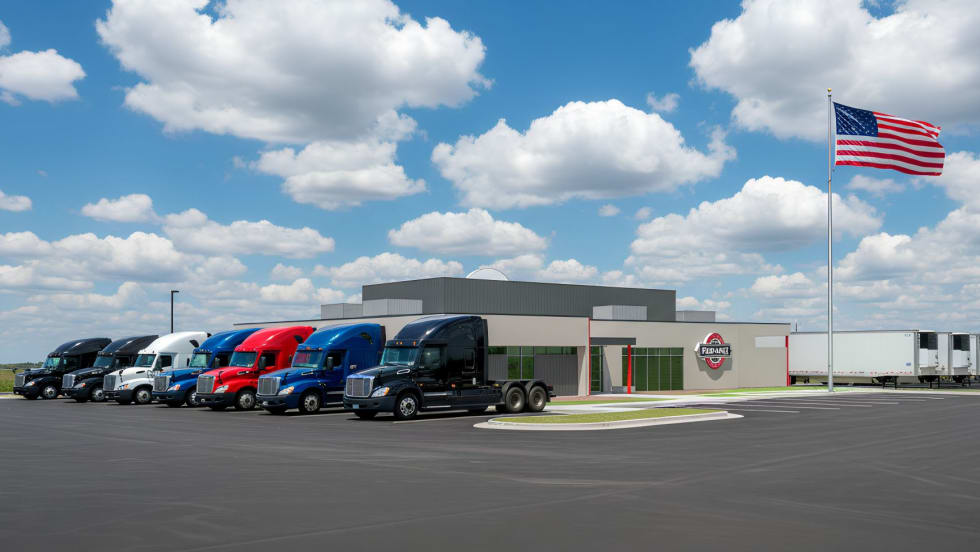
Prime Inc. to Open $7.9M Flagship Used-Truck Dealership
A new driver-focused facility to sell Prime Inc's used trucks and trailers will be the first purpose-built location in the company's history.
Read More →
Short Takes: Inside K&B’s Truck Safety Tech
Listen to learn how K&B Transportation uses cellphone-blocking technology, speed management systems, weather geofencing, bridge avoidance tools, and more to improve driver safety.
Read More →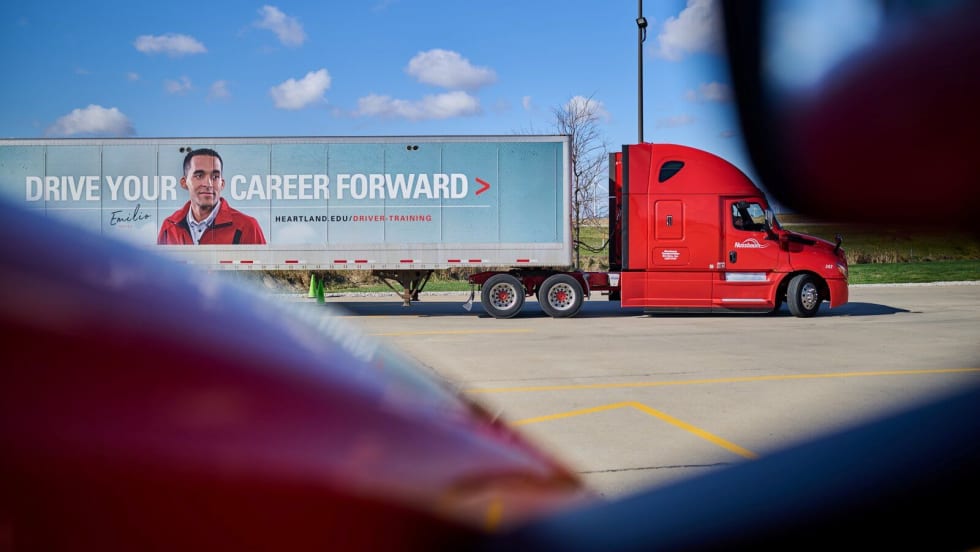
Nussbaum Expands Driver Compensation with Pay Raises, Profit Sharing
Nussbaum Transportation said its latest compensation package could push first-year driver earnings above $90,000 in key hiring markets.
Read More →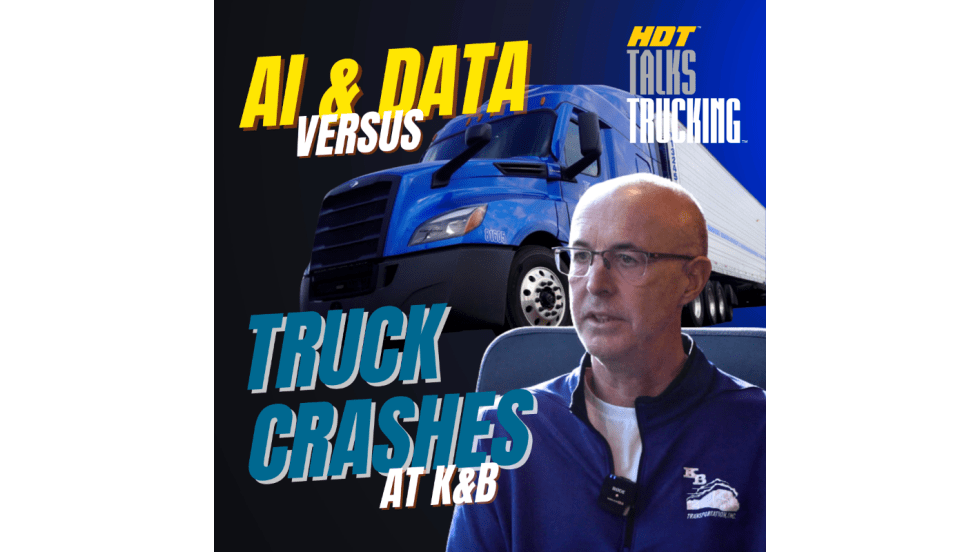
Listen: Inside Modern Fleet Safety: AI, Cameras & Speed Control at K&B Transportation
Fleet safety is evolving fast—and technology is at the center of it. Learn how a former commercial vehicle enforcement officer turned director of safety at K&B Transportation is embracing real-world safety technology.
Read More →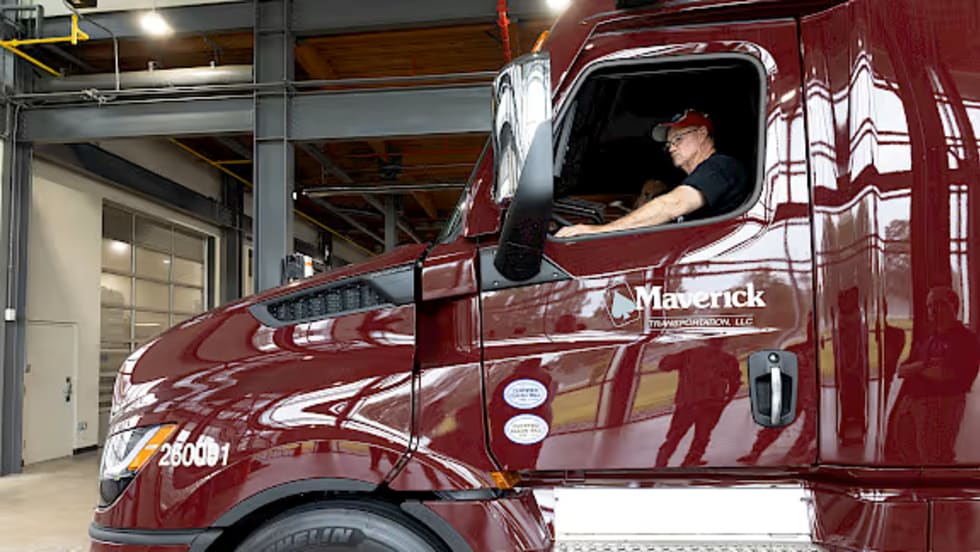
Maverick Announces 2026 Driver Pay Raises
New raises for Maverick Transportation drivers will take effect on May 31, 2026.
Read More →
Illinois Trucker Indicted for Nearly $22,000 in Ohio Turnpike Toll Evasion
Authorities say an Illinois trucker avoided paying tolls for two years, and now faces felony charges, possible prison time, and forfeiture of his Freightliner tractor.
Read More →