




Trucking Economy: The View From the Internet
Freight has dropped off from last year, but there is still enough to go around, according to Scott Moscripp, president of Internet Truckstop, the web-based load-matching service
Freight has dropped off from last year, but there is still enough to go around, according to Scott Moscripp, president of Internet Truckstop, the web-based load-matching service.
"That makes things a little tighter than they were last year, but there is still enough freight out there that you may not find the exact load you're looking for, but you can usually find something that's pretty close," said Moscripp.
"Last year in the spring it wasn't unusual to be running 50,000 to 60,000 loads a day. This year, after growing 50 percent, we're still seeing 50,000 to 60,000 loads a day," he said.
The growth, Moscripp explained, was in the number of subscribers.
"We would expect to see, I wouldn't say a 50, 60 percent gain in postings, but we would expect to see 20 or 30 percent at least. But we're not seeing that."
Moscripp termed the situation a surplus of capacity, then corrected himself. "Surplus is not the right word. There's more balance in truck capacity than there was last year," he said.
"Instead of the load from Dallas to Chicago, they might be going Dallas to Peoria. It's basically the same thing they were looking for last year. But there was so much freight last year and such a shortage of drivers, you could basically pick where you wanted to go and get it just about exactly."
Moscripp said he has also seen a difference in the loads being offered.
"More freight is listed two days out as opposed to same day. That means the people that have the discretionary freight have today's freight covered. Now they're looking at tomorrow and the next day instead of, 'Oh boy, I'm really stuck, we haven't been able to get a truck in because there's a shortage of trucks!'"
Moscripp uses the word "discretionary" to describe freight that shows up on freight-matching services -- freight that is not under contract, for instance.
"Or someone like Schneider hasn't said, 'Look, we'll give you 50 trucks a day to haul out.' It's not that kind of freight. It's the kind of freight that people don't have contracts for, that moves with multiple carriers or on an irregular basis," he explained.
"Discretionary freight makes up probably 8 percent of all the freight that's moved," said Moscripp. "But it's the area of the market we work with."
Moscripp said the slowdown began precipitously late last year.
"It just stopped in November. And I mean stopped pretty cold. We were really surprised," he said.
"It has picked up, but it hasn't picked up to the pace that we would expect. You've got all your building construction materials for example, a tremendous push this time of year to move those capital investment-type goods around. And it's not there this year."
Moscripp said the economy isn’t helping the web-based freight marketplaces that launched last year.
"I think you're going to see what we've seen, and that's some change in business models from those people. I think you're going to see at least one is probably going to be gone before the end of the year," he said.
However, Moscripp had words of praise for two major online transportation markets, Logistics.com and 3Plex.com, both located in the suburbs of Boston.
"They come out and say, look, we have these products. This is your operation. This is how our product helps your operation. This is how much money you're going to save.
"Then they say, 'Our payment on this is going to be a percentage of what we save you. So if we don't save you any money, you're not going to be paying us. But this is how we're going to account.' That's the kind of thing people need to see now," he said.
Moscripp launched Internet Truckstop in 1995. It was the first web-based load-matching service and is now one of the largest. It differs from the more ambitious online marketplaces, which match capacity with freight and handle the transaction as well. Internet Truckstop and similar load-matching sites bring shipper and carrier together but are not involved in the transaction.
More Fleet Management
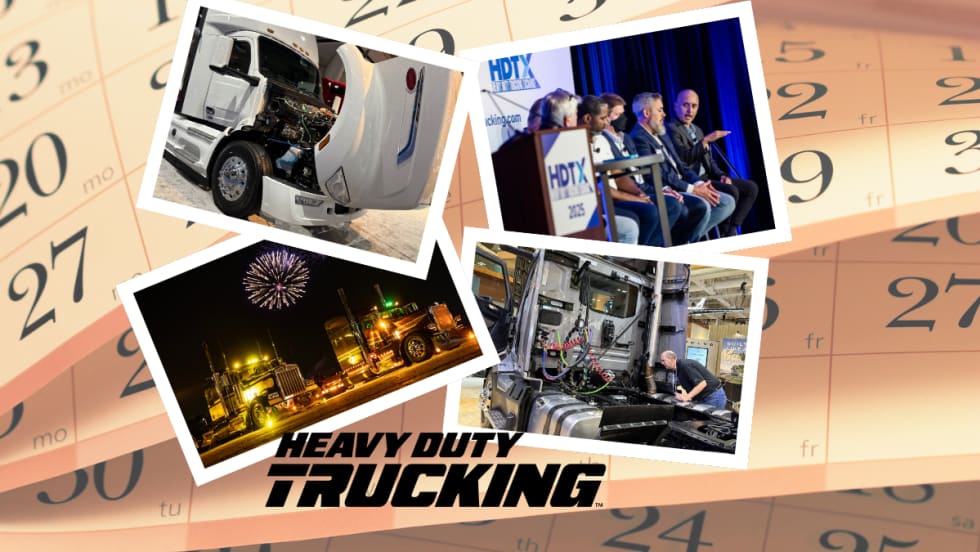
What Trucking Events are Happening in 2026?
Looking for trucking-related conventions, expos, and other events? Heavy Duty Trucking has developed this list of national and larger regional trucking shows and events.
Read More →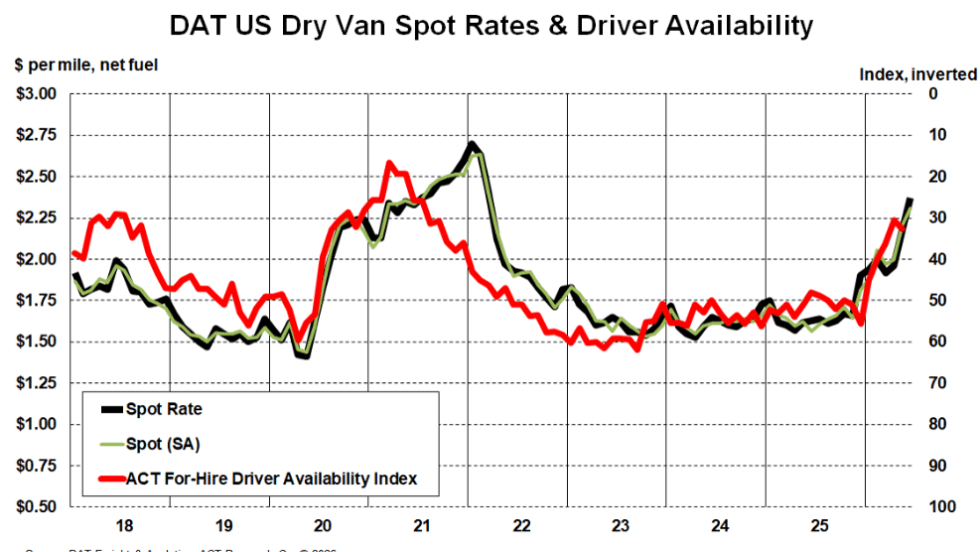
Truckload Rates Keep Rising as Tight Capacity Fuels Freight Market Recovery
Spot and contract rates continued climbing in May and June, not because freight demand is surging, but because fewer trucks and drivers are available.
Read More →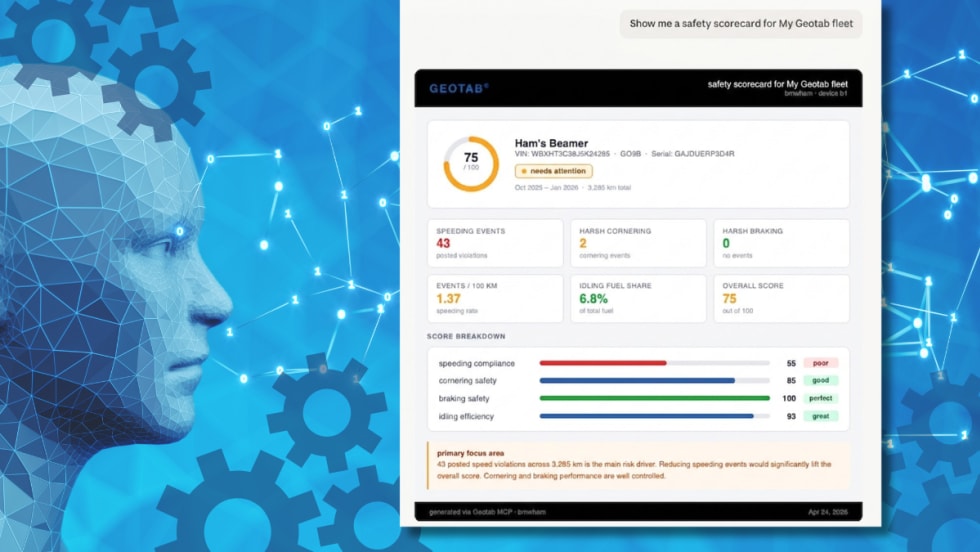
What Geotab's New AI Connector Means for Fleets
Fleets can now ask their usual AI assistants questions about maintenance, safety, fuel use, and vehicle performance, using their live Geotab data, and take action on the answers without leaving their preferred AI tool.
Read More →
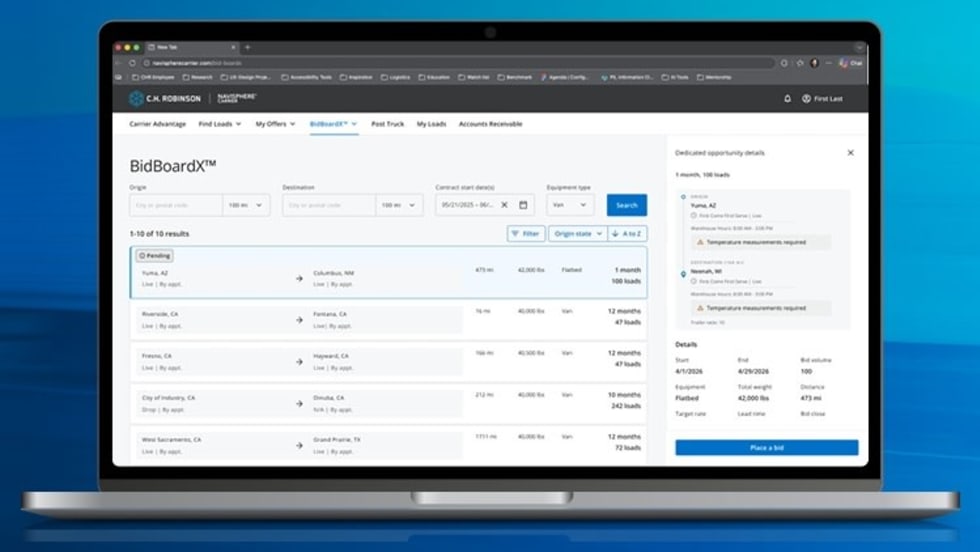
New C.H. Robinson Tool Opens Door to More Predictable Freight
BidBoardX lets carriers search, bid on, and secure committed freight opportunities through a single digital marketplace.
Read More →
New York City's Microhub Project is Delivering Results
Trucking, last-mile delivery companies, and environmental advocates like what they are seeing so far with New York's microhub program.
Read More →
Why Truck Detention Keeps Costing Fleets Time and Money
A 2024 ATRI study found detention affects nearly 40% of truckload stops and costs the industry more than $15 billion annually. Despite the toll on drivers, fleets, and supply chains, the problem remains stubbornly persistent.
Read More →
Time is Running Out to Apply for Exclusive HDT Event
Heavy Duty Trucking Exchange brings fleet managers and suppliers together for the deeper conversations that lead to ideas, partnerships, and solutions. Time is running out to apply for the September event.
Read More →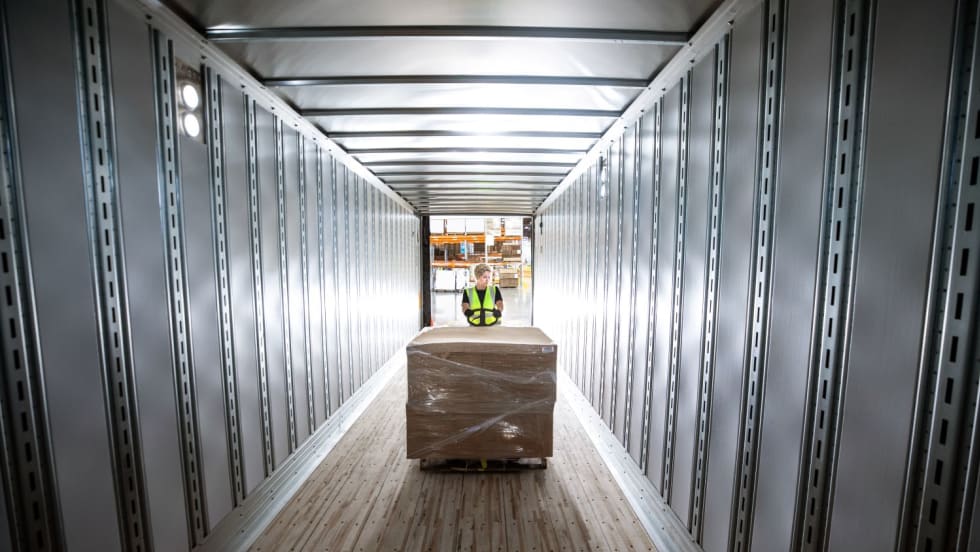
Amazon Launches Less-Than-Truckload Freight Offering for All Businesses
This launch is the latest addition to Amazon Supply Chain Services, a portfolio of supply chain capabilities from Amazon, including freight, distribution, fulfillment, and parcel shipping.
Read More →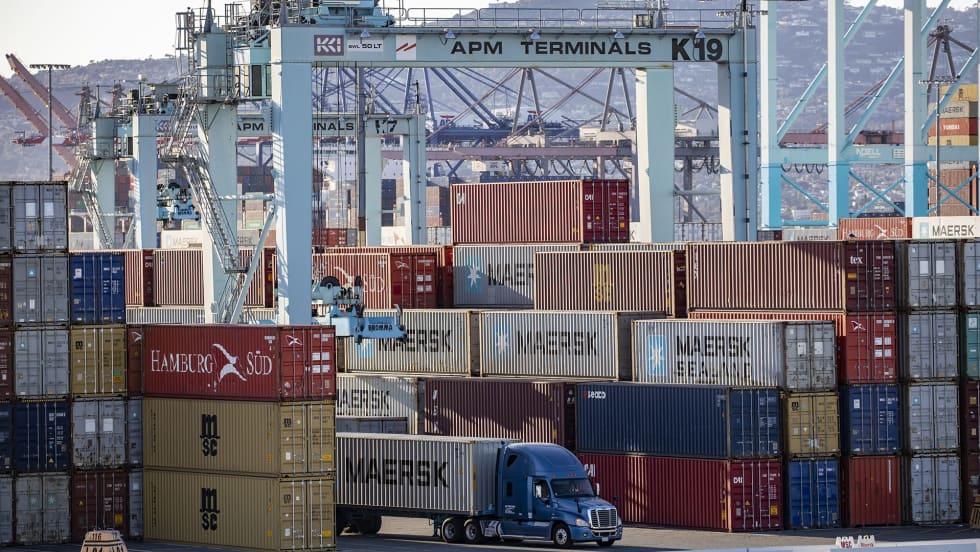
Import Cargo Volume to See Year-Over-Year Gain Again in June, Then Remain Below 2025 Levels Into Fall
After July, the report predicts a weakening in import volume as consumer uncertainty remains high and the impact of increasing inflation takes its toll.
Read More →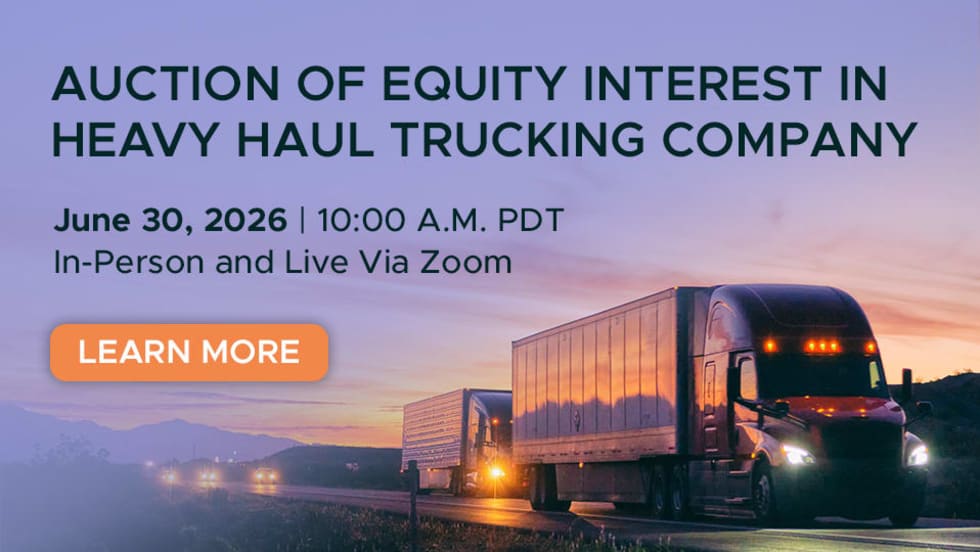
AUCTION OF EQUITY INTEREST IN HEAVY HAUL TRUCKING COMPANY!!
Mark your calendar: June 30, 2026 (10:00 a.m. PDT). A 37.5% ownership interest in MagnaTrans, LLC, a California limited liability company doing business as Magna Transportation Group, will be sold in an in-person and online auction to the highest bidder or bidders under Article 9 of the Uniform Commercial Code. The Rancho Cucamonga-based heavy haul and over-dimensional trucking company operates across California, Oregon, and Arizona.
Read More →