




Trucking Braces for Looming Rail Strike
A freight rail strike could happen as early as Dec. 9 unless a contract is ratified or Congress intervenes. Would trucking be able to pick up the slack of a rail shutdown?

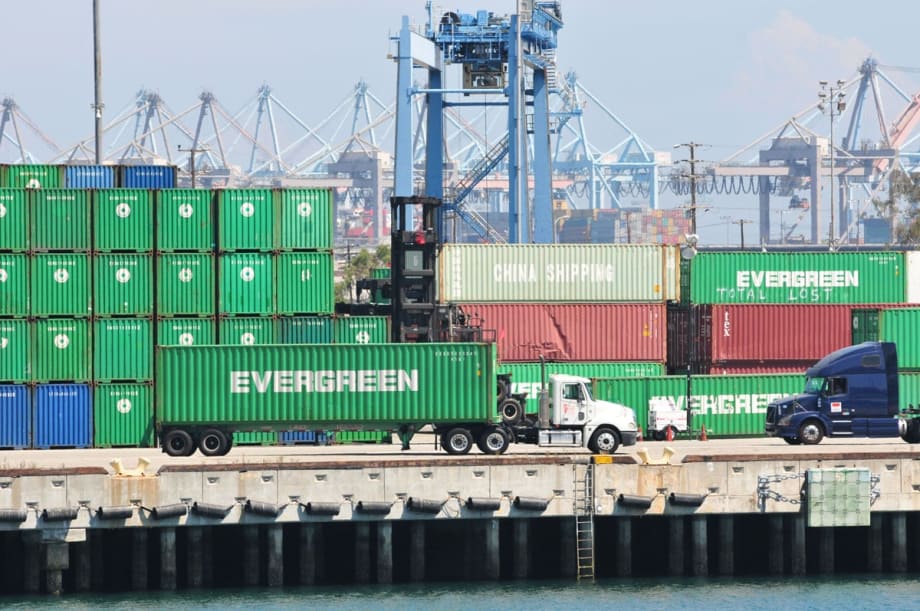
"There is no way the trucking industry can replace all the rail freight," according to the American Trucking Associations.
Photo: Jim Park
Update 12/1/22 at 5:30 p.m.: Senate has passed the bill. Read more here.
Update 11/30/22 at 1:30 p.m.: The U.S. House passed legislation imposing the labor agreement between the railroads and all workers. The bill now goes to Senate, where it is expected to pass.
A nationwide freight rail strike still looms as many rail labor union members are rejecting a tentative agreement with the nation’s railroads.
A strike could happen if a contract is not ratified by Dec. 9, unless Congress was to intervene. In the meantime, the supply chain is bracing for the impact of a rail shutdown and there is a short-term urgency to divert freight to the trucking sector. But… the American Trucking Associations says there’s not enough capacity to pick up the slack.
“The trucking industry has neither the equipment nor the manpower to replace a single day of lost freight rail service,” ATA officials said in a press release. “Truck transportation and railroads are much more complements than substitutes — there is no way the trucking industry can replace all the rail freight.”
Priyesh Ranjan, CEO of supply chain platform company Vorto, said the a rail strike would cause a substantial portion of the 30% of freight hauled by rail to be transitioned to long haul, over-the-road trucks that currently haul much of the same agricultural, energy, automobile and other consumer products.
"This sudden influx of demand will accelerate the tightening in trucking and move the spot price up to levels seen early this year," he said. "This will create cost inflation for all industries that leverage trucking (like retail) that will trickle down to the consumer.”
Rail Unions Are Spilt
While the tentative agreement provides a 24% pay raise for rail workers over a five-year period, health care benefits, and the ability for workers to take unscheduled leave for medical needs, many members are still left unsatisfied with the agreement.
In October, BLET National President Dennis Pierce discussed the members’ position on an episode of American’s Work Force Union Podcast. (The Brotherhood of Locomotive Engineers and Trainmen is part of the International Brotherhood of Teamsters.) He explained that before the COVID-19 pandemic, many railroads were adopting practices to run fewer and longer trains, which required fewer employees to run operations. During the pandemic, many of those employees were furloughed.
When the economy picked back up, he explained, railroads couldn’t fill the vacancies fast enough, resulting in many rail employees being “overworked.” Rail workers went the past three years without a raise, and many work under strict attendance policies. Pierce said in many cases this led to damage to family relationships and the inability to take care of personal affairs.
“We have a very angry workforce as a result of how that all came down,” Pierce said.
Voting Results as of Nov. 21
Brotherhood of Locomotive Engineers and Trainmen: Accepted tentative deal (54% voting in favor and 46% voting against.)
International Association of Sheet Metal, Air, Rail, and Transportation Workers (SMART) Transportation Division train and engine service members: Rejected (51% against, 49% in favor)
SMART-TD yardmaster members: Accepted (62.5% in favor, 37.5% against)
BLET and SMART-TD are the two largest rail unions, accounting for half of the unionized workforce on the nation’s largest freight railroads, according to BLET.
Efforts to Stop a Rail Shutdown
ATA, NATSO (representing truck stops), and the National Retail Federation are among others joining the Biden administration in calling for the implementation of the tentative agreement to avoid a rail strike.
President Biden said in a statement he is “reluctant to override the ratification procedures and the views of those who voted against it,” but that he believes Congress must use its power to adopt the deal.
“During the ratification votes, the secretaries of Labor, Agriculture, and Transportation have been in regular touch with labor leaders and management. They believe that there is no path to resolve the dispute at the bargaining table and have recommended that we seek Congressional action,” according to a statement by the White House.
How Would a Rail Shutdown Impact Trucking?
1. Strain on Diesel Fuel Supply
With a strike deadline set, railroads are planning to stop taking hazardous materials — including fuel — next week, according to the ATA.
“With national fuel supplies, especially diesel, in short supply throughout numerous parts of the country, we cannot afford any disruption to our nation’s supply chain that a potential rail strike would create,” ATA officials wrote.
Diesel exhaust fluid supplies are also at risk.
Read more: No, We Aren’t Running Out of Diesel Fuel — But Low Stockpiles Mean Higher Prices
2. Strained Supply Chain
“A rail strike, coupled with historically high levels of inflation, could wreak financial havoc and inflict catastrophic harm to American businesses, workers, consumers and the U.S. economy,” NRF President and CEO Matthew Shay said in a statement. “We are in peak holiday shopping season, and it is essential that retailers and other businesses are able to rely on these vital supply chain partners.”
A statement from the White House speculated that a shutdown could mean as many as 765,000 Americans out of work in the first two weeks alone.
Updated 11/30/22 to include comment from Vorto.
More Fleet Management
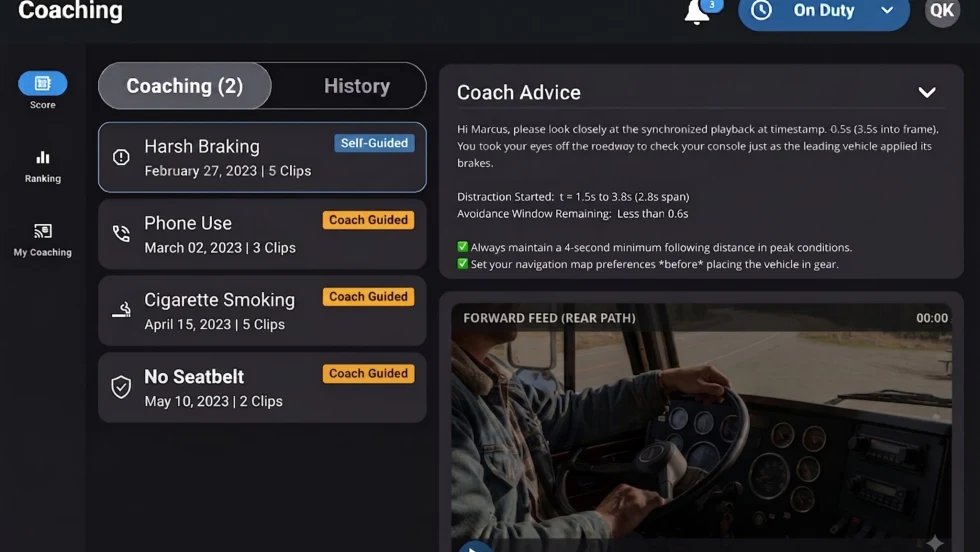
Platform Science Adds Dispatch and Safety Tools
Four additions to PS Fleet help fleets monitor loads, manage driver coaching, share truck locations and adjust video system settings.
Read More →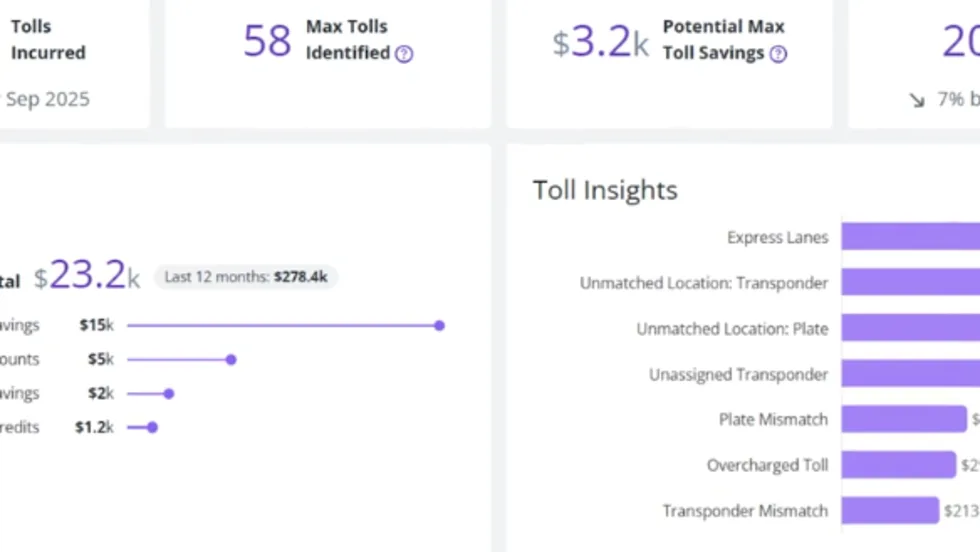
PrePass Intelligence Mines Fleet Bypass, Toll and Safety Data
PrePass Intelligence helps fleets measure bypass savings, flag potential toll overcharges, and spot suspicious transactions by combining data from separate systems.
Read More →
Motive Adds AI Agents for Fleet Operations
New tools automate follow-up on fleet data, from maintenance work orders to driver alerts, with two-way voice conversations planned for later this year.
Read More →
Can You Beat Our Trucking Trivia Challenge?
Test your truck knowledge with 19 trivia questions from Heavy Duty Trucking Exchange. Can you keep up with the fleet pros?
Read More →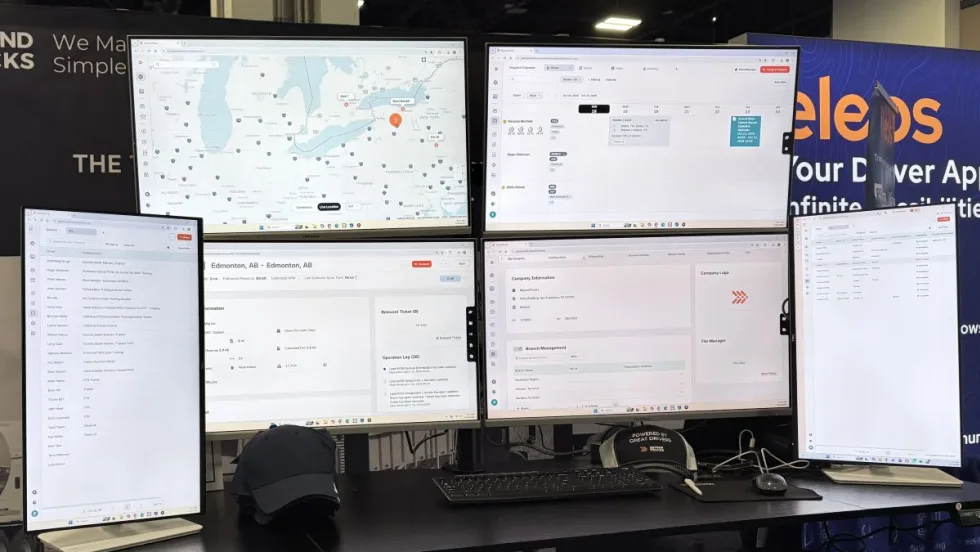
BeyondTrucks Adds Rules Checks to Dispatch
New Compatibility Engine checks driver qualifications, equipment requirements and fleet policies before loads are dispatched.
Read More →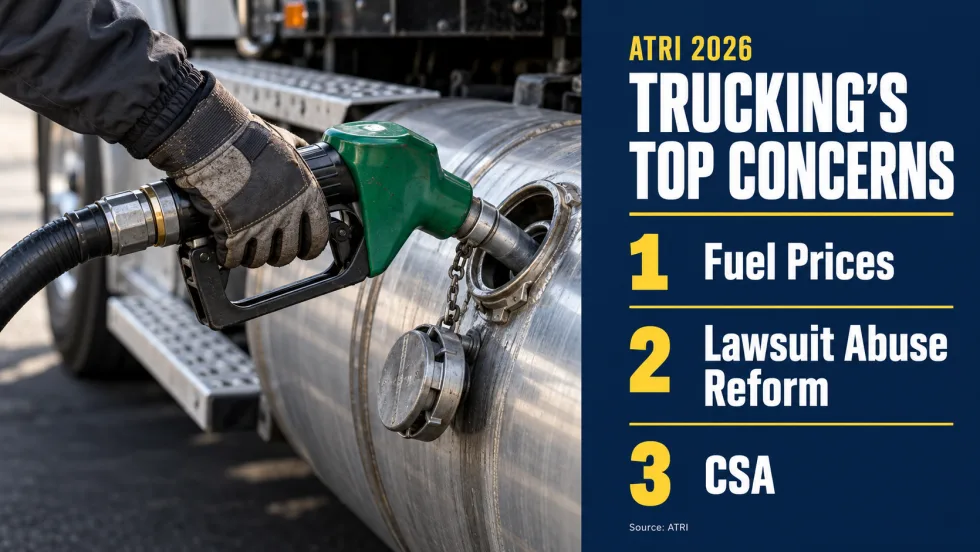
Diesel Prices Hijack Trucking’s Worry List
ATRI’s annual survey finds cautious optimism about freight, but diesel costs, litigation, and insurance continue to squeeze fleets. Drivers have different priorities on several issues.
Read More →
Nomination Deadline Extended for HDT Emerging Leaders
Just a few more days to nominate accomplished trucking fleet professionals under 40 who are making an impact and helping lead the industry forward for the HDT Emerging Leaders award. Deadline extended to October 20!
Read More →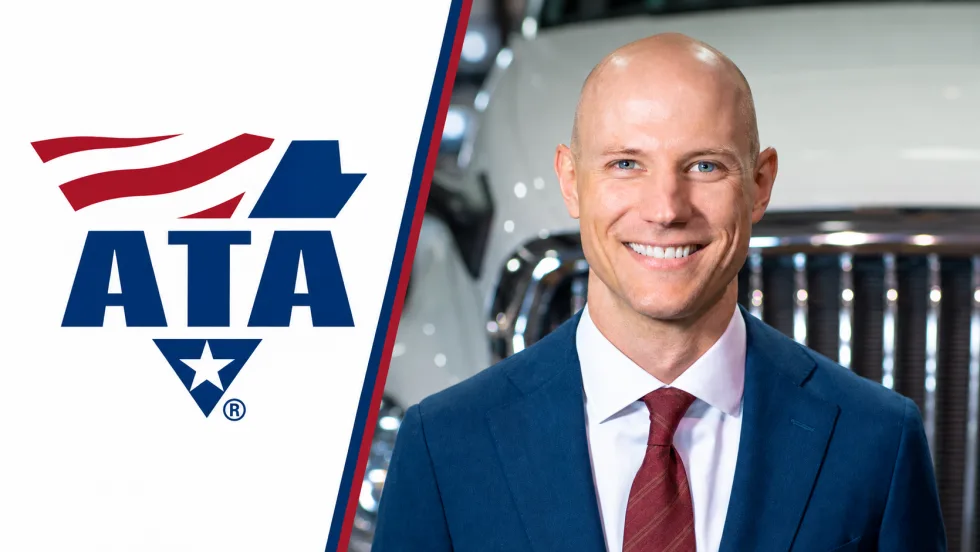
What Will ATA’s New Leader Bring to Trucking's Table?
Incoming President and CEO Mark Colson’s record in Alabama offers clues about his priorities and approach following Chris Spear’s abrupt departure as the head of the American Trucking Associations.
Read More →
Volvo, Waabi Start Commercial Autonomous Operations in Texas
Volvo VNL Autonomous trucks, powered by the Waabi Driver, are hauling freight directly to third-party facilities for a customer in Texas.
Read More →
Samsara Launches Custom AI Agent Builder
Agent Studio lets fleets create AI tools for hours-of-service monitoring, reporting and driver support, including agents that communicate by phone.
Read More →