




Trucking and the Democratic Platform
The Democratic National Committee 2000 platform, adopted earlier this month at the DNC's convention in Los Angeles, says little about hot issues facing the trucking industry. But there are a few areas of interest. Vice President Al
The Democratic National Committee 2000 platform, adopted earlier this month at the DNC's convention in Los Angeles, says little about hot issues facing the trucking industry. But there are a few areas of interest.
Vice President Al Gore and the Democrats pledge to improve the nation's congested roads. In a section on "community," the platform says, "it is time we enhanced our quality of life by unclogging our nation's roads and airports." Gore and the Democratic Party support the building of high-speed rail systems in major transportation corridors and new grants to Amtrak to help reduce congestion.
The platform touches on transportation again in the environment section. "We must invest in rebuilding and improving our transportation infrastructure and ensure that we adequately maintain these systems for the future," it says. "We should invest in roads, bridges, light rail systems, cleaner buses, the aviation system, our national passenger railroad, Amtrak, and high-speed trains that would give Americans choices -- freeing them from traffic, smog-choked cities, and being held hostage to foreign oil."
The Democrats want to develop alternative power, fuel and transportation sources in order to reduce dependence on foreign oil. They also pledge to protect the environment from oil and gas drilling, a stark contrast to the Republicans, who call for more domestic oil production, even if it means intruding on protected lands.
"We stopped development in America's last wild places," reads the Democratic platform. "Teddy Roosevelt saw our national parks as the playground of the people - there for average families to enjoy with camping and hiking. Today's Republicans see them as the playground of the powerful -- there for big businesses to exploit with drilling and mining. The Republicans have tried to sell off national parks; gut air, water, and endangered species protections; let polluters off the hook; and put the special interests ahead of the people's interest. They are wrong. Our natural environment is too precious and too important to waste."
Also on the subject of the environment, the platform notes that the Clinton/Gore administration created a new 21st Century Truck Initiative to build highly efficient trucks, from pickups to 18-wheelers.
Although the platform doesn't mention the North American Free Trade Agreement by name, there is a section on "Opening Markets Around the World" that indicates Gore as president would be pro-free trade.
"Trade has been an important part of our economic expansion -- about a third of our economic growth in recent years has come from selling American goods and services overseas," reads the platform. "It's clear we live in a globalized world - and that there is no turning back. But globalization is neither good nor evil. It is a fact - and we have to deal with it."
However, the platform emphasizes that free trade must not come at the expense of American workers. "We need to make the global economy work for all. That means making sure that all trade agreements contain provisions that will protect the environment and labor standards, as well as open markets in other countries. Al Gore will insist on and use the authority to enforce worker rights, human rights, and environmental protections in those agreements."
Gore and the Democrats also talk about worker rights in a whole section devoted to American workers and unions.
"Democrats know that workers' freedom to choose a voice at work is a fundamental American right that must never be threatened, never be obstructed, never be taken away. From the Industrial Age to the Information Age, unions have given working people the chance to improve their living standards and have a voice on the job."
Gore has also proposed reforming government contracting rules to ensure that taxpayer dollars do not go to companies that break basic labor laws. Democrats are fighting for whistleblower protections and are calling for a new national law banning permanent striker replacement workers.
The vast majority of trucking companies are small businesses - in the case of owner-operators, often run out of their homes. The DNC platform says that "strengthening small business is a vital component of economic innovation, job creation, and supporting entrepreneurship. Small businesses have accounted for more than 90 percent of the 22 million new jobs created with Democratic leadership. The Democratic Party is committed to sustaining and adding to that level of growth of small businesses, including home-based businesses."
However, it doesn't offer much in the way of specifics as to how it will do that, other than by modernizing the Small Business Administration.
Perhaps they could help small businesses by cutting some red tape. Although you wouldn't guess it based on the hundreds of pages involved in the hours of service proposed rulemaking, as vice president, Al Gore has cut the federal bureaucracy and scrapped 16,000 pages of regulations, according to the platform. (Also on the new regulations side is the proposed ergonomics regulations, which the Democrats favor.)
"Now we need to go much further," says the platform. "We need to create a government where Americans can easily find the services they need; one that is on-line all the time with no need to wait in line, an open government that's always open."
Maybe that means those truckers who are stuck in a forced "weekend" will be able to call up the DOT and complain.
More Drivers

Competition Heating Up for Truck Drivers
New report reveals rising driver hiring costs, the return of sign-on bonuses, growing AI advantages, and the operational factors shaping driver retention.
Read More →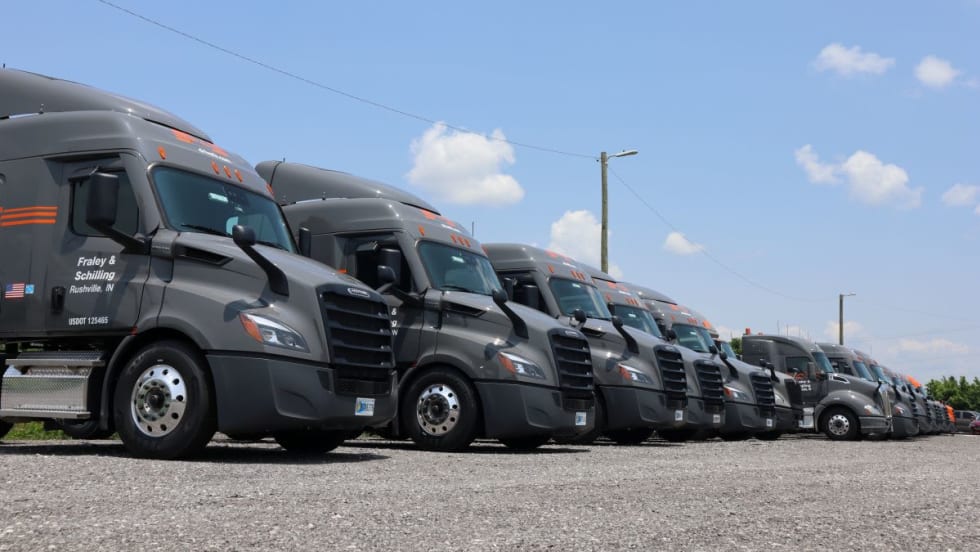
How Fraley & Schilling Improved Logbook Compliance by Over 50%
Fraley & Schilling needed a way to close a compliance workflow gap in its ELD system without adding more work from driver training, reminders, and back-office follow-ups. It found the answer in a custom driver app.
Read More →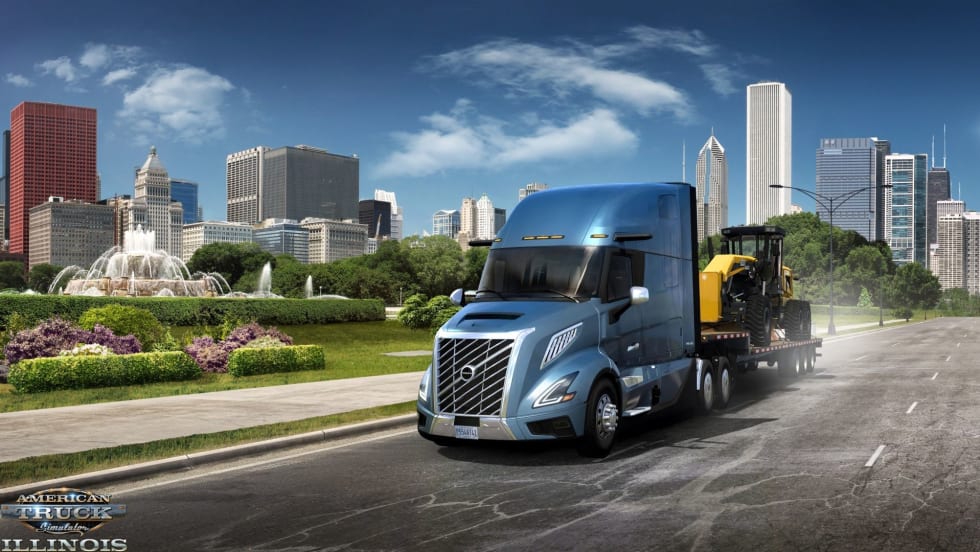
Volvo Goes Gaming
Volvo has roared into American Truck Simulator with two new flagship trucks.
Read More →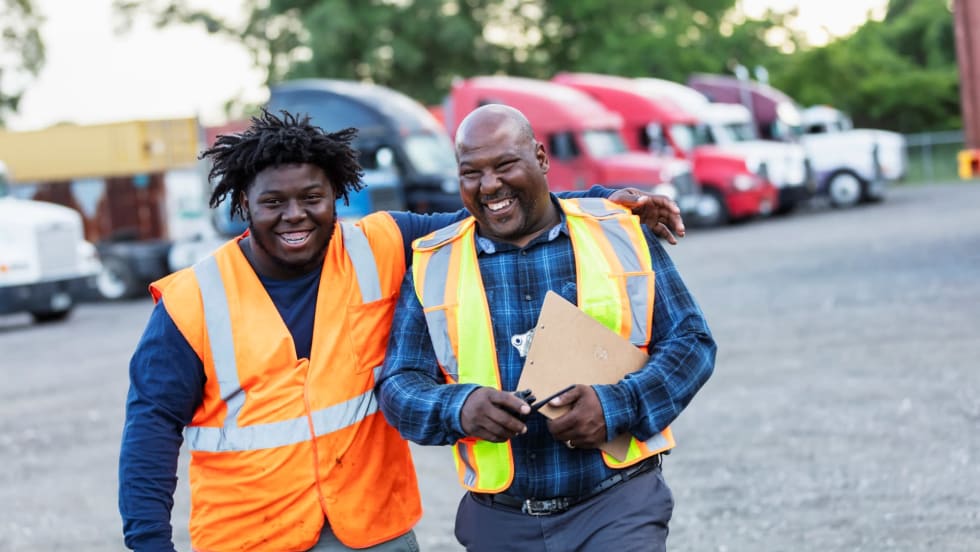
What the Best Fleets to Drive For Teach About Driver Retention
Survey fatigue, AI-powered routing, owner-operator expectations, and the decline of social media all emerged as themes from this year's Best Fleets to Drive For program.
Read More →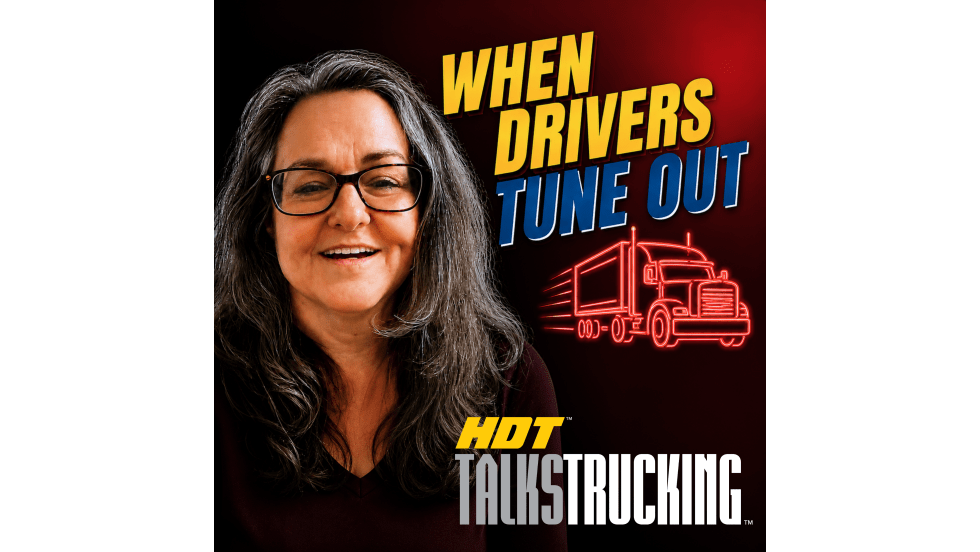
Driver Retention Lessons From the Best Fleets to Drive For
What separates trucking's best workplaces from the rest? Jane Jazrawy shares the biggest lessons from this year's Best Fleets to Drive For program on driver retention, communication, AI, and workforce trends on the HDT Talks Trucking podcast.
Read More →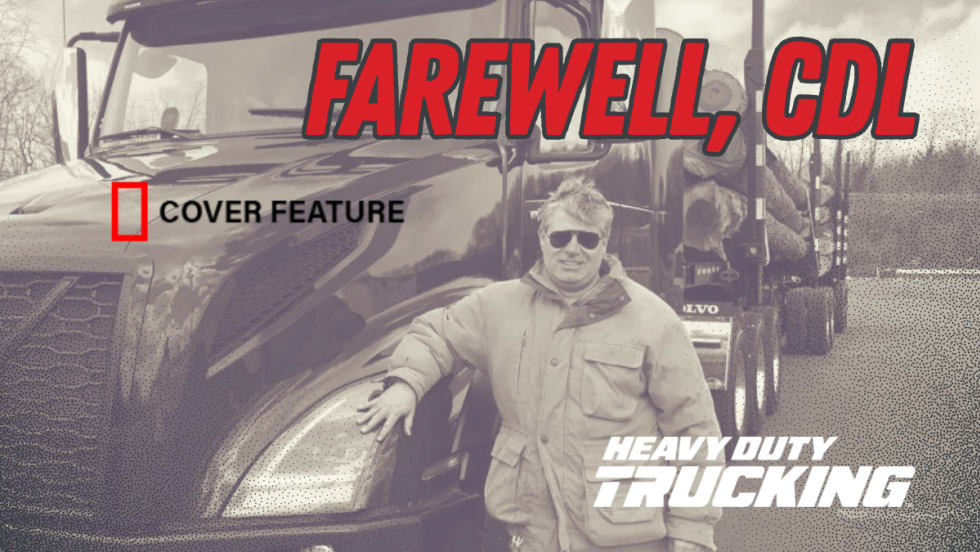
Farewell, CDL: Why I'm Giving Up My Commercial Driver's License
After more than 20 years as a CDL holder, HDT Executive Editor Jack Roberts is letting his commercial license expire. Not because he wants to — but because trucking's nuclear verdict crisis has made the risks of public-road test drives too great for editors, manufacturers, and everyone involved.
Read More →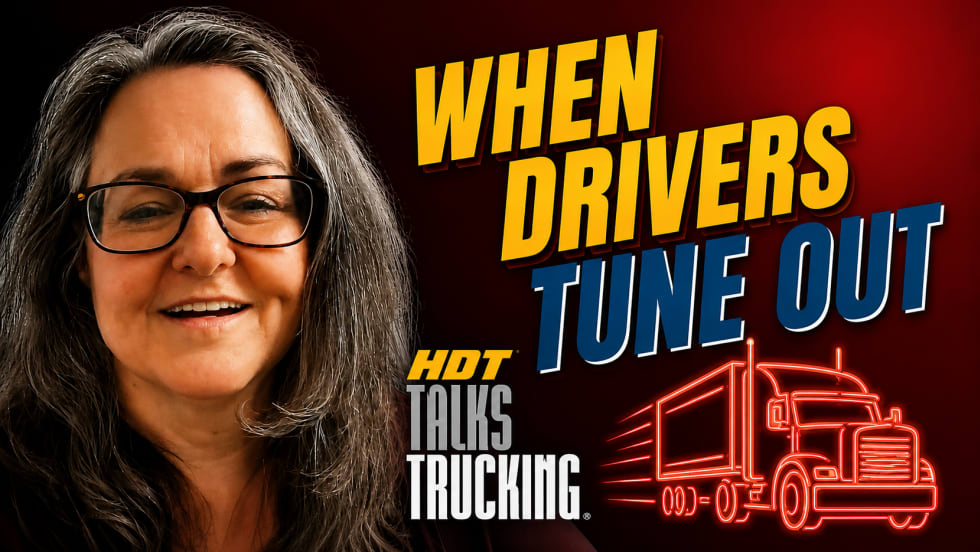
How Top Trucking Fleets Improve Driver Retention [Video]
What do healthy snacks, optimized routing, and just picking up the phone have in common? They're all strategies the Best Fleets to Drive For are using to retain truck drivers.
Read More →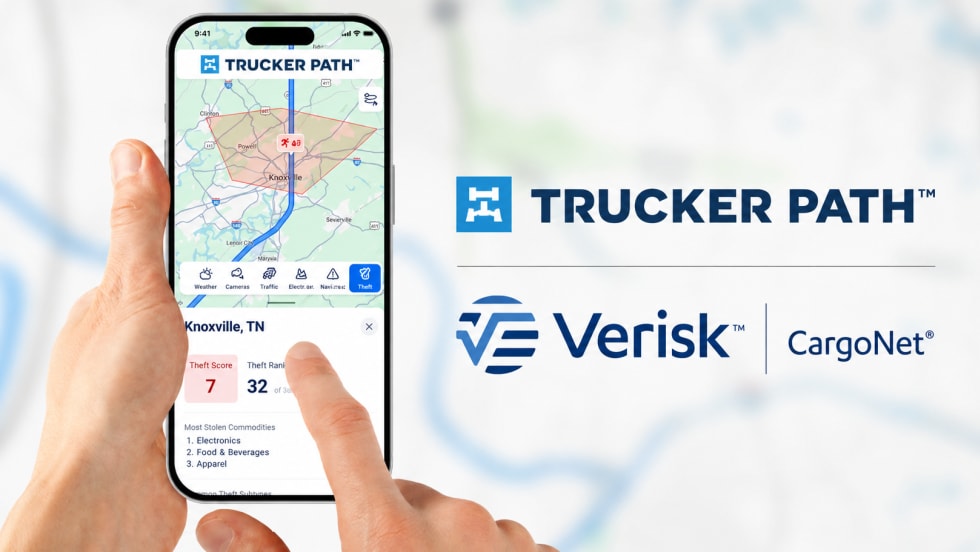
Trucker Path Adds Verisk CargoNet Theft Data to Navigation Platform
Trucker Path’s new cargo theft risk overlays give drivers and fleets visibility into high-risk areas, stolen commodity trends, and theft hotspots.
Read More →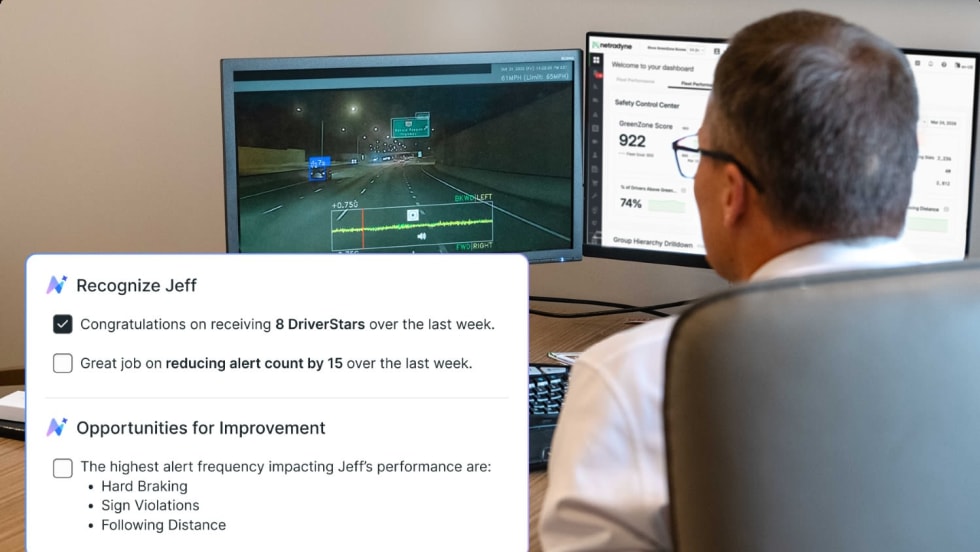
Netradyne Intelligence Uses New AI Agents to Automate Response to In-Cab Camera Data
The company called the next-generation in-cab camera safety platform "a fundamental shift from systems that report on what happened to systems that actively drive what should happen next."
Read More →
Why Truck Detention Keeps Costing Fleets Time and Money
A 2024 ATRI study found detention affects nearly 40% of truckload stops and costs the industry more than $15 billion annually. Despite the toll on drivers, fleets, and supply chains, the problem remains stubbornly persistent.
Read More →