




Triangle Tire USA Names Phillips New VP of Sales
Rick Phillips, a commercial tire industry veteran executive, has joined Triangle Tire as vice president of sales, effective April 1.

Rick Phillips Photo: Triangle Tire USA

Rick Phillips, a commercial tire industry veteran sales executive, has joined Triangle Tire as vice president of sales, effective April 1.
Phillips has nearly 40 years of experience in the tire industry and has an established reputation for building and directing effective sales teams, according to Triangle Tire. Triangle Tire offers a range of medium-duty radial truck tires for long haul, regional, and on/off highway applications.
“We are very pleased to welcome Rick to the Triangle Tire team,” said Manny Cicero, CEO of Triangle Tire USA. “He’s a proven sales leader who has earned widespread respect in the tire and trucking industries. His expertise in the trucking industry will be particularly important as we work with Triangle dealers to supply fleets and owner-operators with high-quality products that deliver a very competitive cost per mile.”
Phillips most recent held the position of vice president of sales for Yokohama Tire Corporation. He joined Yokohama in 1999 as a territory sales manager and held a number of sales management positions before being appointed to head sales. Prior to that, Phillips held sales positions at Joe Esco Tire Corporation, including corporate sales manager.
Triangle Tire USA is a subsidiary of Triangle Tyre, China’s largest privately owned tire manufacturer. The company established its U.S. headquarters in Franklin, Tenn., in 2016.
More Fleet Management

Trimble’s New AI Agent Takes Aim at Fleet Back-Office Busywork
Arc Agent works across Trimble TMS products to automate repetitive tasks such as freight orders, maintenance, invoices, fuel costs and more.
Read More →
How HDT’s 2026 Truck Fleet Innovators Are Rethinking Fleet Operations
Meet five trucking leaders who are challenging assumptions, solving operational problems, and putting innovative ideas to work.
Read More →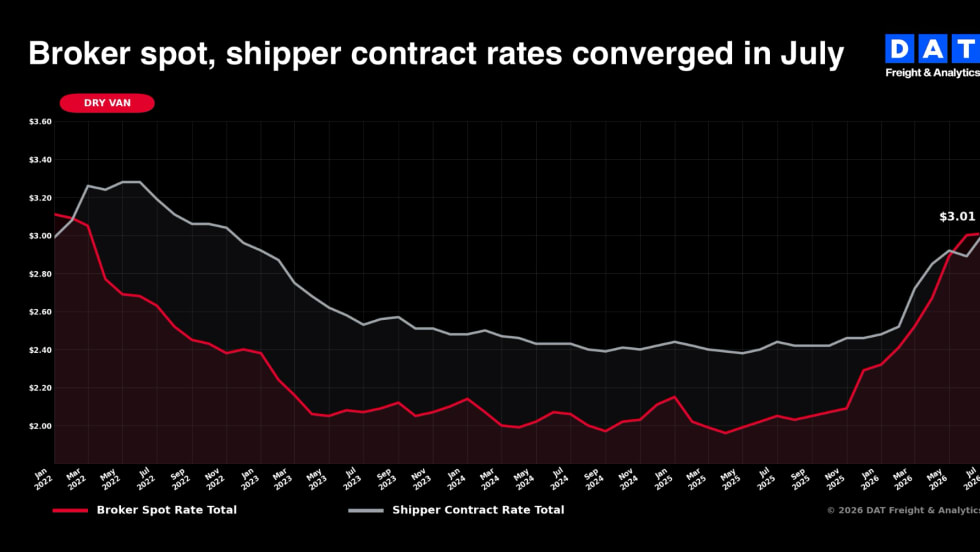
Tight Trucking Capacity Pushes Rates Higher Even as Freight Volumes Fall
“Spot rates moving ahead of contract rates have historically signaled a tightening market, but we haven’t seen a capacity-driven market quite like this one,” said DAT's Dean Croke.
Read More →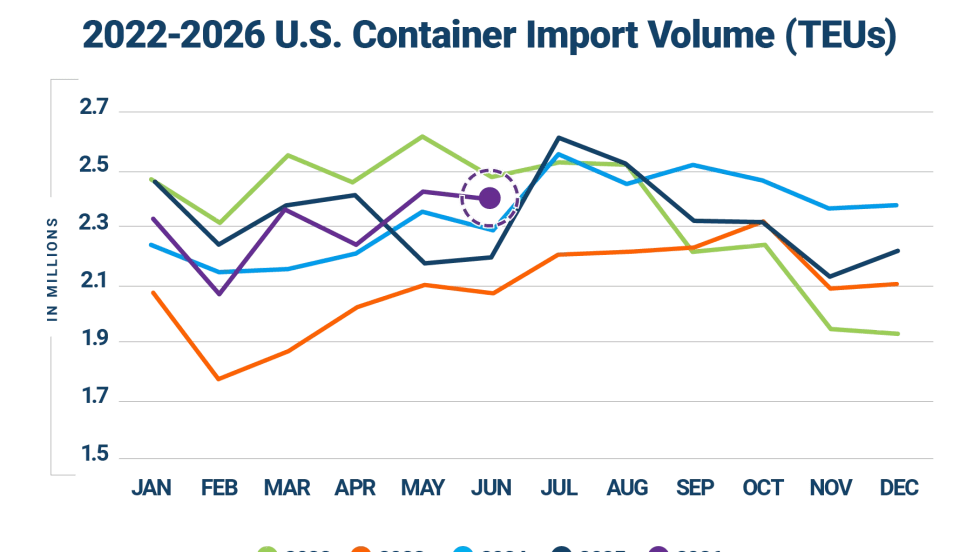
Import Cargo’s Early Peak Season is Winding Down
There was an early start to peak season this year at the nation's gateway ports, as retailers brought in merchandise ahead of tariff changes in late July and responded to other supply chain uncertainties,
Read More →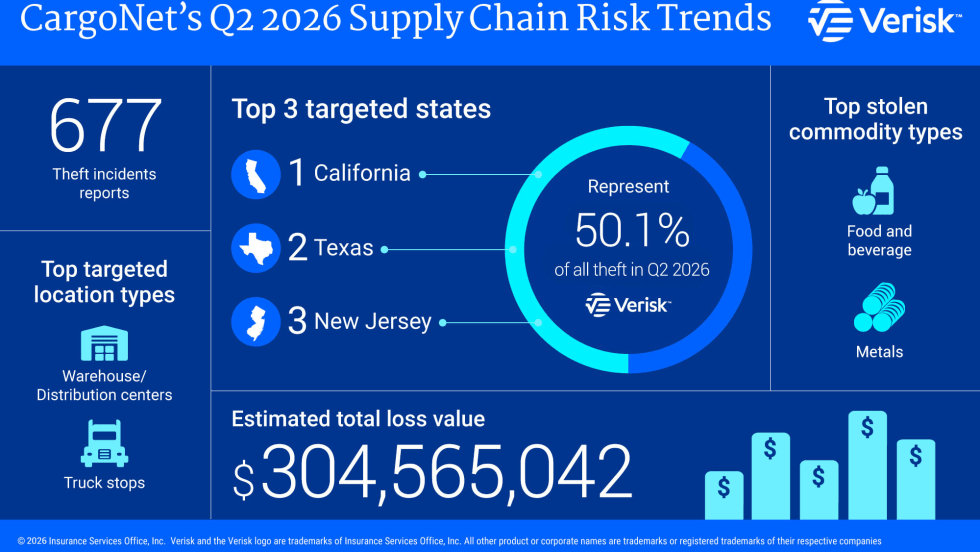
Fewer Cargo Thefts, Bigger Losses: Criminals Target Higher-Value Loads
CargoNet says organized theft rings are stealing fewer shipments but choosing more valuable freight, including metals and technology, resulting in record losses.
Read More →
How Innovative Trucking Leaders Turn Change Into an Advantage
As the pace of change accelerates in trucking, the fleets that adapt best have more than the latest technology. They have cultures that embrace improvement.
Read More →
Freight Broker Bonds Just Got Harder to Get. Here's What That Means for Your Fleet.
When it gets harder for a freight broker to prove they are financially sound, the ones who cannot clear that bar get pushed out of the market. And those are exactly the brokers who used to leave motor carriers holding the bag.
Read More →
Long-Awaited Canadian Border Bridge to Open in Detroit
For trucking, the bridge opening should offer immediate improvements in efficiency and reliability, with new customs facilities, expanded inspection capacity, and direct freeway-to-freeway connections.
Read More →
Aurora Rolls Out Next Generation of Driverless Trucks for Commercial Freight
Aurora's latest autonomous trucks it's rolling out with International feature lower-cost hardware designed for a million miles as the company expands commercial driverless freight operations across the U.S. Sun Belt.
Read More →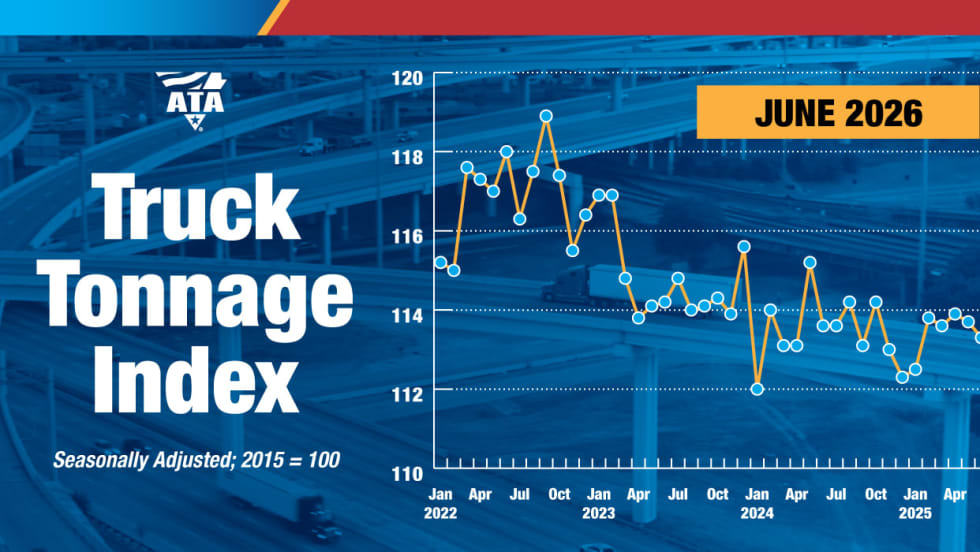
Freight Tonnage Down, Rates up, as Lower Capacity Powers Trucking Recovery
The recovery from the freight recession continues to be driven by reduction in capacity rather than by increased demand.
Read More →