




Related: Wrightspeed's Tantalizing Turbine-Electric Drivetrain
Trailer Hybrid System Recovers Energy Lost During Braking
Two European startup companies have developed the Kinetic Energy Recovery System, a hybrid system for road freight vehicles that attaches to a trailer and provides a boost to the vehicle.
by Staff
August 28, 2015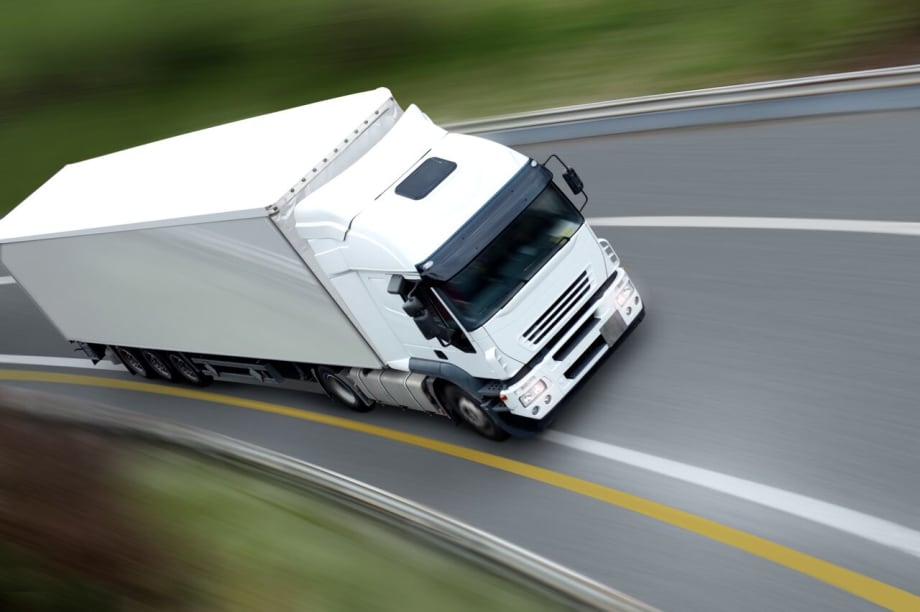
2 min to read
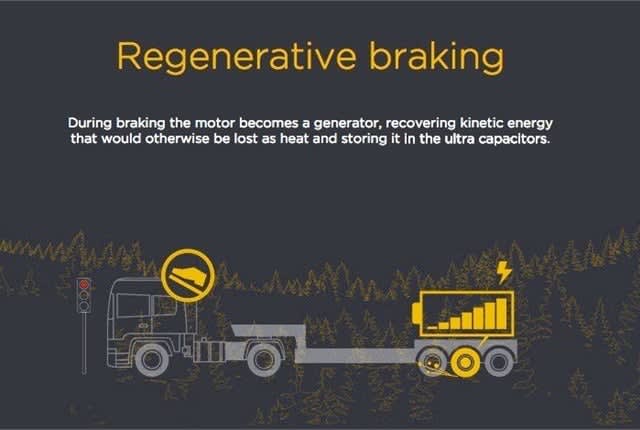
KERS recovers energy from brakes to provide a boost from an electric drivetrain attached to the trailer.Image: Adgero
Two European startup companies, Skeleton Technologies and Adgero SARL, have developed the Kinetic Energy Recovery System, a hybrid system for road freight vehicles that attaches to a trailer and provides a boost to the vehicle.
This hybrid system is designed to reduce fuel consumption and associated emissions by up to 25% and has been optimized for intermodal applications. A trailer is equipped with the system which provides a boost generated from kinetic energy gathered by braking.
The system consists of a bank of high-power ultracapacitors that work alongside an electronically-driven axle mounted under the trailer. An intelligent management system controls the process and tracks driver input in order to automatically control regenerative braking and acceleration boost.
Skeleton worked with Adgero to adapt an 800-volt ultracapacitor power module designed for the motorsport industry to meet the needs of freight vehicles. The module consists of five 160-volt units made up of Skeleton Technologies’ cylindrical cells. Each cell is monitored individually and is able to actively self-balance.
The system was designed to be compatible with existing infrastructure and any truck equipped with an Adgero monitor will be able to tap into the hybrid system when paired with an equipped trailer. If a truck without a monitor picks up a retrofitted trailer, the hybrid system will simply stay in standby mode.
The technology has been through testing procedures the last few months, exposing it to vibration, shock and typical conditions for intermodal freight. Road testing will begin in 2016 with Altrans, a French logistics company.
“Road haulage accounts for over a fifth of the EU’s total CO2 emissions, so fuel efficient solutions are crucial,” said Mack Murray, CEO of Adgero SARL. “We are beginning to see regenerative braking systems in automotive applications but the market clearly needs a similar solution for articulated lorries.”
More Fuel Smarts

Detroit Opens Orders for EPA 2027 Engines
Detroit isn’t starting from scratch to meet EPA 2027 diesel emissions standards. Its Gen 6 DD13 and DD15 engines keep much of today’s platform while updating the fuel and aftertreatment systems.
Read More →
Zero-Emission Truck Corridor Planned for West Coast
California, Oregon, Washington, British Columbia and Baja California are coordinating plans for truck charging and hydrogen fueling from Canada to Mexico.
Read More →
A Closer Look at Kenworth’s Electric T880E Vocational Truck [Video]
Learn more about Kenworth's T880E battery-electric vocational truck at the Paccar Technical Center, including its range, applications, upfitting considerations, and PTO options, in this HDT Spotlight video.
Read More →
Kenworth T880E Brings EV Power to Vocational Trucks
A closer look at the Kenworth T880E’s range, charging, powertrain and upfit options — and where fleets are showing the most interest.
Read More →
Jennie Abarca Is Proving Electric Trucks Can Do the Job
HDT Truck Fleet Innovator Jennie Abarca is building confidence in fleet electrification one load at a time while openly sharing the challenges she encounters along the way as a small-fleet owner.
Read More →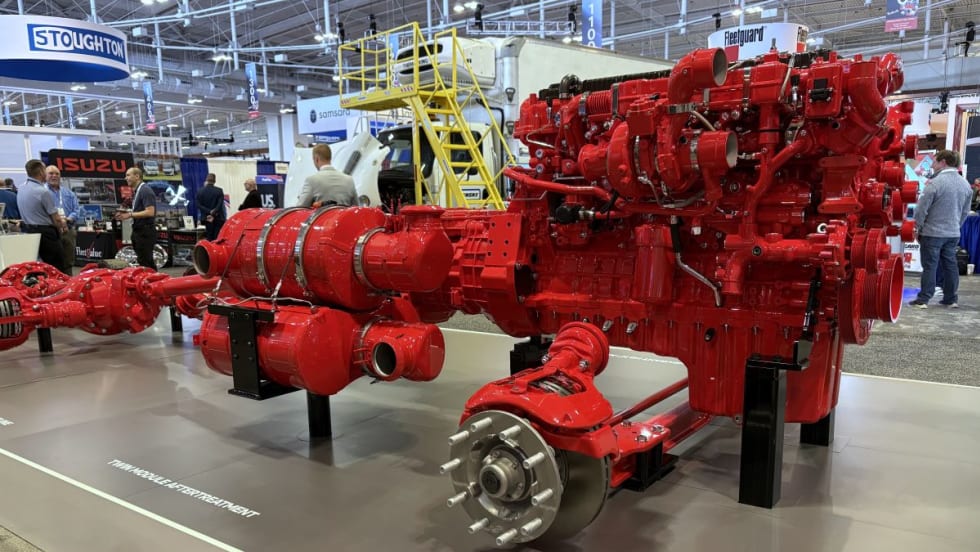
Cummins Adjusts 2027 Engine Rollout After EPA Proposal
The engine maker will gradually introduce its new Model Year 2027 diesel engines while continuing to offer current models during the transition, citing the EPA's proposed emissions rule changes.
Read More →
EPA Proposal Could Ease 2027 Truck Costs and Buying Uncertainty
The proposal doesn't change the tougher NOx standard, but it would revise key implementation requirements that manufacturers say have driven up costs and complicated fleet purchasing decisions.
Read More →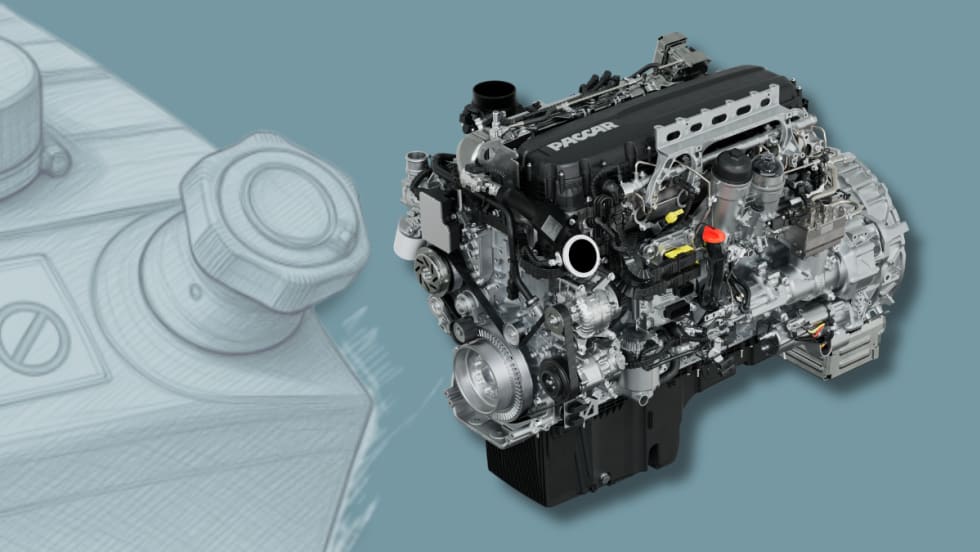
Cummins, Paccar Ease DEF Derates After EPA Guidance
Updated diesel engine software gives truck operators more time to address emissions-system issues while staying compliant with EPA emissions standards.
Read More →
Maintenance in the Messy Middle Part 3: Biodiesel
Biodiesel can reduce emissions, improve fuel-system lubricity and use existing diesel infrastructure. But NACFE’s Messy Middle maintenance report says fleets must actively manage storage, cold-weather operation, filters and oil drain intervals to avoid problems.
Read More →
Enhance Fleet Performance with High-Efficiency Auxiliary Power Units
Drive sustainable cost savings while increasing driver comfort during short- and long-haul logistics operations.
Read More →