




Trade Deal With China: What it Means For Trucking
The last barrier to opening the huge Chinese market - 11.5% of the world economy - to US manufacturers was cleared last week with the House of Representatives approval of permanent "most favored nation" import tariff
The last barrier to opening the huge Chinese market - 11.5% of the world economy - to US manufacturers was cleared last week with the House of Representatives approval of permanent "most favored nation" import tariff rates for China. Approvals by the Senate and the President are expected quickly.
As a result, exports to China -- $13 billion last year -- could increase by at least $30 billion in the next four years. Imports from China, $82 billion last year, could increase by more than $40 billion over the same period. Most of the expanded trade will be shipped through west coast ports. The impact will begin in a small way later this year but it will take four years for the full impact to be felt. China will become our fourth largest export customer and import source after Canada, Mexico and Japan.
This expanded trade will flow from China's summer entry into the World Trade Organization (WTO) which requires China to cut tariffs to the level charged by major trading countries over three to five years and, just as important, to substantially eliminate quotas and other non-tariff barriers to imports.
Highway equipment, components and consumables suppliers will get very little in new export business and similarly will not have to compete with expanded Chinese imports. Chinese products are not price or quality competitive. Instead, US, European and Japanese manufacturers will likely establish operations in China.
What can China afford to buy from the US? Do not be misled by pictures of peasants working rice fields in Mao suits. While per capita purchasing power in China next year will be about $3,400 compared $32,000 in the US, there are tens of millions of people in coastal cities with near US level incomes.
What new products will China begin to buy in the US? The Chinese economy is expanding at an 8% per year rate, double the growth rate in the US so purchases of all products will expand rapidly. First, lots of business services. Sorry, no freight requirement here. But also farm products, prepared foods, clothing, household goods, toys, giftware and commercial and industrial machinery and components.
These are the markets that China has previously protected from imports. They account for almost 80% of Chinese exports to the US. The additional imports from China will simply be more of the same products but with a progressive shift from consumer to industrial products as China loses it competitive price advantage to even poorer countries.
Trade patterns and the accompanying freight volumes and routes will quickly be dependent on the international value of the Chinese currency. The Yuan will join the Canadian Dollar, the Mexican Peso, the Japanese Yen and the Euro as a key currency impacting the US economy and trade patterns. Now the Yuan is irrelevant since it is managed to a fixed rate vs. the US dollar.
Full Chinese participation in the world economy requires a flexible, market rate, currency. So the Yuan will likely be set free to float in the next few years with a probable large depreciation. When this happens, there will be a temporary boost in imports from China and decline in exports to China.
More Fleet Management

Public Wi-Fi Cybersecurity Risks: How Truck Drivers and Fleets Can Protect Their Data
Public Wi-Fi can expose truck drivers and fleets to credential theft, malware, and other cyber threats. Here’s how to reduce the risk on the road.
Read More →
For Nicky Cupp, Fleet Innovation Starts With Frustration
HDT Truck Fleet Innovator Nicky Cupp turns everyday pain points at Fraley & Schilling into opportunities for better technology and smarter processes.
Read More →
Adam Buttgenbach’s Approach to Electric Trucks: Start With Where They Fit
HDT Truck Fleet Innovator Adam Buttgenbach helped PepsiCo build one of North America’s largest EV fleets by focusing on where electric trucks make operational sense.
Read More →
Deen Albert: Let Automation Do the Math, People Make the Decisions
HDT Truck Fleet Innovator Deen Albert makes sure people are still at the heart of operations at Grand Island Express, even while adopting artificial intelligence tools. AI-assisted dispatch helped boost revenue 25% with the same number of trucks.
Read More →
Trimble’s New AI Agent Takes Aim at Fleet Back-Office Busywork
Arc Agent works across Trimble TMS products to automate repetitive tasks such as freight orders, maintenance, invoices, fuel costs and more.
Read More →
How HDT’s 2026 Truck Fleet Innovators Are Rethinking Fleet Operations
Meet five trucking leaders who are challenging assumptions, solving operational problems, and putting innovative ideas to work.
Read More →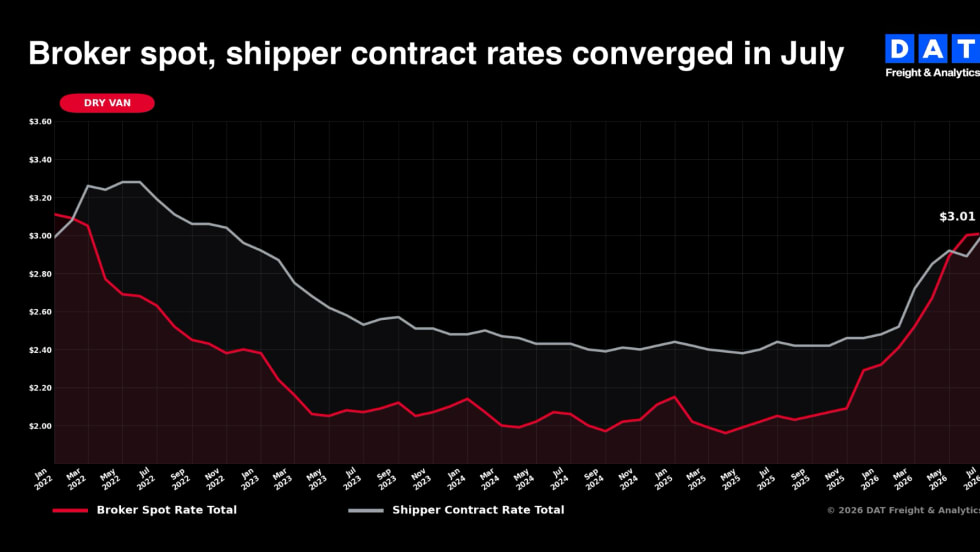
Tight Trucking Capacity Pushes Rates Higher Even as Freight Volumes Fall
“Spot rates moving ahead of contract rates have historically signaled a tightening market, but we haven’t seen a capacity-driven market quite like this one,” said DAT's Dean Croke.
Read More →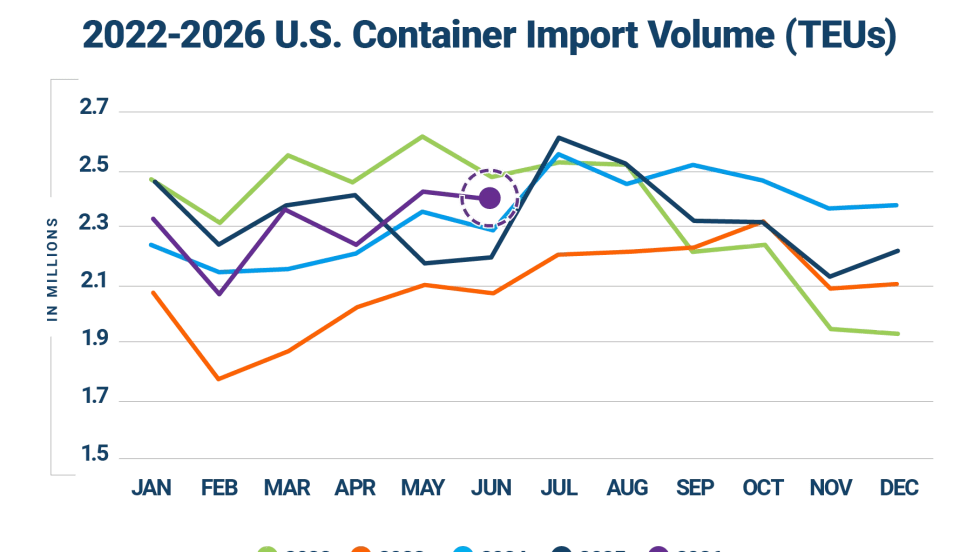
Import Cargo’s Early Peak Season is Winding Down
There was an early start to peak season this year at the nation's gateway ports, as retailers brought in merchandise ahead of tariff changes in late July and responded to other supply chain uncertainties,
Read More →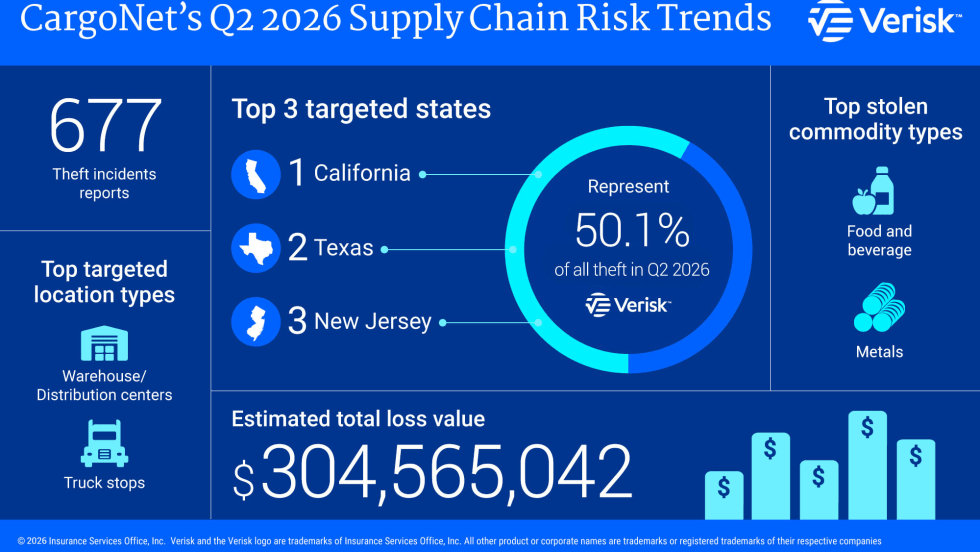
Fewer Cargo Thefts, Bigger Losses: Criminals Target Higher-Value Loads
CargoNet says organized theft rings are stealing fewer shipments but choosing more valuable freight, including metals and technology, resulting in record losses.
Read More →
How Innovative Trucking Leaders Turn Change Into an Advantage
As the pace of change accelerates in trucking, the fleets that adapt best have more than the latest technology. They have cultures that embrace improvement.
Read More →