





Electromechanical Brakes Next Project for Expanded TMC, PIT Group Partnership
TMC Sets Research Agenda for 2022
TMC’s upcoming research projects will assess vehicle alignment impacts on fuel consumption and electro-mechanical braking systems.
September 13, 2021

TMC’s upcoming research projects will assess vehicle alignment impacts on fuel consumption and electro-mechanical braking systems.
Graphic: TMC
1 min to read
The American Trucking Associations’ Technology & Maintenance Council announced it plans to study vehicle alignment impacts on fuel consumption and electro-mechanical braking systems. The studies, to be initiated in 2022, were announced during TMC’s Fall Meeting on Sept 12 in Cleveland, Ohio.
The first project will be to replicate an 2008 evaluation conducted by Goodyear Tire on the effects of total combination vehicle alignment on fuel economy. Taking into account recent advancement in aerodynamic designs, TMC will replicate the testing protocols from the earlier study. The research seeks to determine if mis-alignment in a tractor-trailer is better, worse, or the same before the induction of common aerodynamic devices.
The second study, through TMC’s Future Truck Committee, is to conduct a performance demonstration of at least two prototype electromechanical braking systems. This testing will access if EMBs perform in conformity with current Federal Motor Vehicle Safety Standards for air drum and disc braking systems.
EMBs are a type of electronically controlled braking system which use “drive by wire” commands to controllers at each wheel end brake assembly, applying the brake by an electric motor rather than by a pulse of air.
TMC is seeking out contributions of the prototype EMB systems, as well as vehicles they will be installed upon. TMC is also currently attempting to raise funding to cover both of the project costs.
More Fleet Management
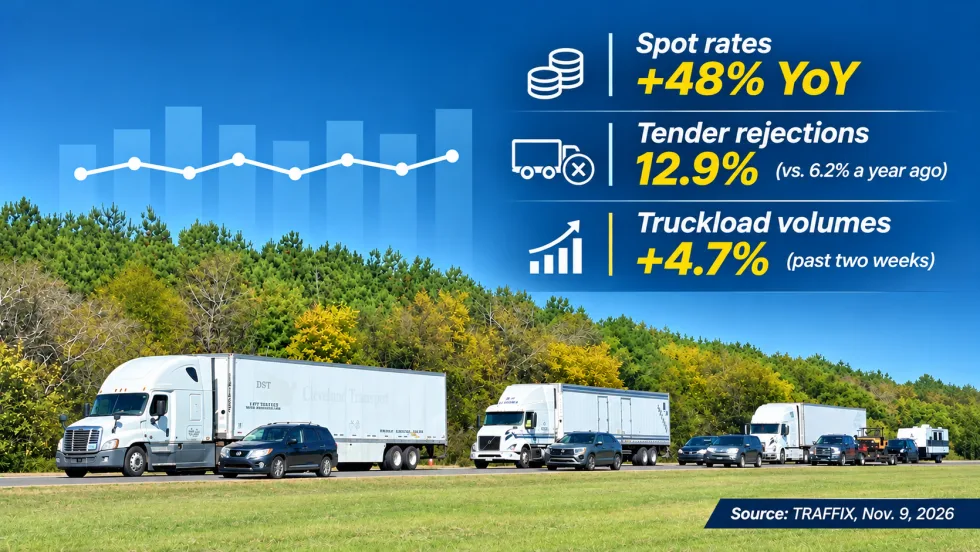
Holiday Freight Meets a Tight Trucking Market
There's no freight boom, but truckload carriers are finding themselves in a stronger position to negotiate rates. And holiday shipping demand could tighten the market further.
Read More →
What Trucking Events are Happening in 2027?
Looking for trucking-related conventions, expos, and other events? Heavy Duty Trucking has developed this list of national and larger regional trucking shows and events.
Read More →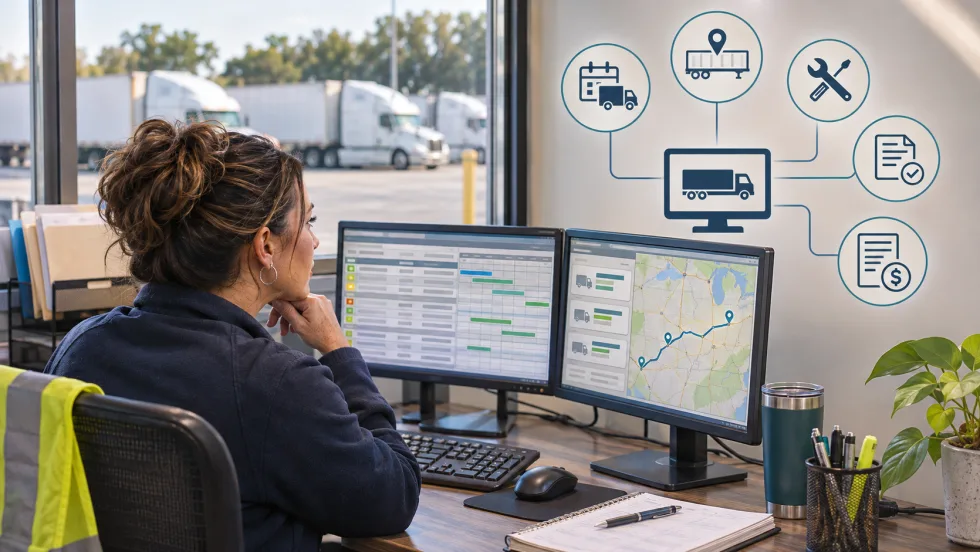
Does Your Trucking Fleet Need a New TMS?
Artificial intelligence and better integrations promise less busywork and more useful data. Can your TMS help your company solve problems? Do you need additional vendors or an upgrade? Or is it time to look for a new platform?
Read More →
Fleet Costs Shape ACT Expo 2027 Agenda
With diesel prices high and operating expenses under pressure, ACT Expo's 2027 agenda emphasizes fuel efficiency, AI, safety and the return on fleet technology investments.
Read More →
Does Your Trucking Fleet Need a New TMS? [Video]
Cloud technology, AI and new integrations are changing what transportation management systems can do. But does taking advantage of those advances mean replacing your existing TMS?
Read More →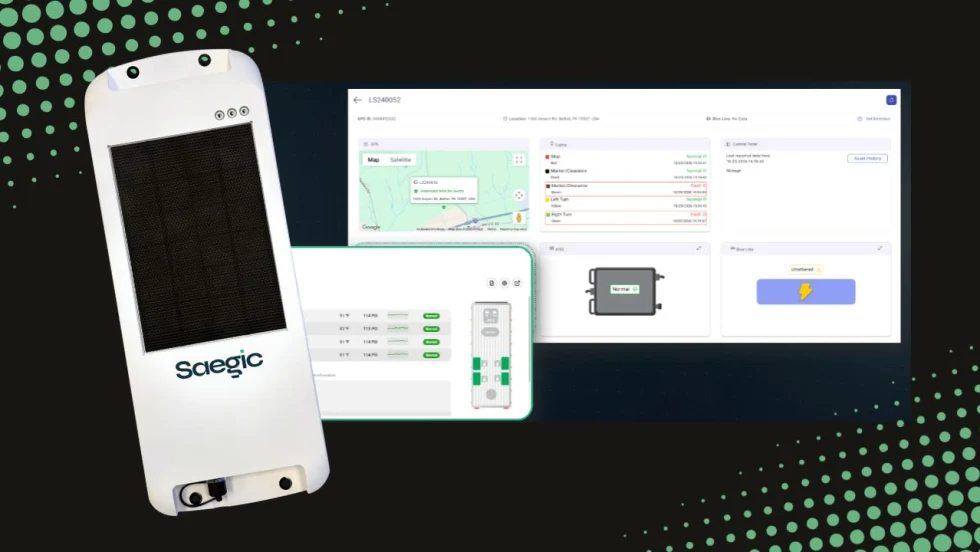
Road Ready Becomes Saegic, Launches New Trailer Telematics Gateway
Clarience Technologies is rolling out new hardware and expanding its plans for connecting trailer telematics, maintenance data, and video.
Read More →
Give Your Trucking Fleet a Cybersecurity Walkaround
Your fleet's cybersecurity policies may look good on paper. These seven checks can help you find out whether they’re working.
Read More →
Kodiak Lines Up Fleets for Driverless Trucking
An agreement for 75 trucks, a new Texas freight lane, and progress on safety validation move Kodiak closer to its planned driverless highway launch.
Read More →
ITS Logistics Settles Religious Harassment Case
The Nevada-based logistics firm agreed to pay more than $396,000 to settle a religious harassment charge involving an employee's Jewish identity.
Read More →
Your Trucks Are Busy. That Doesn’t Mean They’re Winning.
High utilization doesn’t always mean strong margins. Looking beyond the current load can help fleets make better dispatch decisions and get more value from each truck’s time.
Read More →