




The Truck Safety Bill: Finding Out What’s Wrong
The safety legislation that Congress passed November 19 is a two-part meal: a special first course, followed by meat-and-potatoes
The safety legislation that Congress passed November 19 is a two-part meal: a special first course, followed by meat-and-potatoes.
The first course, Title I of the bill, is the Federal Motor Carrier Safety Administration, which puts trucks and buses at the same table with the other modes, like airlines and shipping, at the Department of Transportation. Congress’s intent with this provision is to strengthen the federal truck safety program by giving it a political boss and higher visibility.
But it’s the main course, Title II, that will have the quickest impact on truckers. Enforcement is going to get stricter – more inspections, tougher penalties and fewer loopholes. And other provisions are designed to improve data-gathering systems so that enforcers can do a better job of targeting the high-risk operators.
Bill-writers in the House and Senate transportation committees have been working on this legislation since last winter. From their investigations and public hearings they distilled a list of “findings” that begins with a statement of principle: No matter how you count them, the number of truck and bus accidents in this country is not acceptable.
This statement references the key statistic in the entire debate: 5,355 deaths in 1997 due to accidents involving large trucks. That was 437 more deaths than in 1995, but the rate of deaths per mile was approximately flat because there were more trucks traveling more miles.
As a matter of policy and politics, the Office of Motor Carrier Safety used the death rate to measure progress in the struggle to improve truck safety. It reflected the difficulty of reducing deaths in an environment where risk is rapidly increasing, and it looked better than a number that was growing.
But others found the emphasis on the death rate unseemly. DOT Inspector General Kenneth Mead, who had been asked by Rep. Frank Wolf, R-VA, to investigate OMCS, testified against the practice, and Congress was soon singing the same tune.
Clearing up any ambiguity about the matter, Congress wrote in the bill, “the current rate, number and severity of crashes involving motor carriers in the United States are unacceptable.”
Other “findings” address specific shortcomings in the federal truck and bus safety program:
* Federal and state officials do not conduct enough inspections of vehicles or drivers. Also, the key to deterring violations is civil penalties.
* DOT is not getting its rulemakings done on time – Hours of Service reform being the prime example. Those rules are months overdue.
* DOT does not conduct enough carrier compliance reviews. Further, the department’s databases and information systems – key to finding the operators who pose the biggest risks – are not adequate.
* More international inspectors and inspection facilities are needed – particularly on the Mexican border.
* DOT must “rigorously avoid” conflicts of interest in federally funded research. This is a reference to concerns about contracting with the American Trucking Assns. to conduct safety research, and Congress has ordered DOT to study the issue.
The entirety of Title II is devoted to fixing these and other problems.
Tomorrow: Cracking down on CDL violations.
More Drivers

Competition Heating Up for Truck Drivers
New report reveals rising driver hiring costs, the return of sign-on bonuses, growing AI advantages, and the operational factors shaping driver retention.
Read More →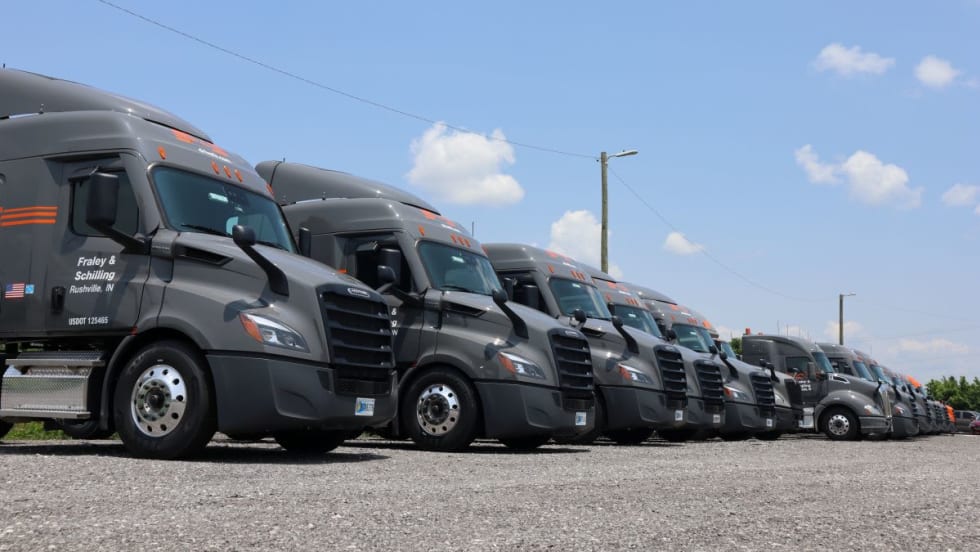
How Fraley & Schilling Improved Logbook Compliance by Over 50%
Fraley & Schilling needed a way to close a compliance workflow gap in its ELD system without adding more work from driver training, reminders, and back-office follow-ups. It found the answer in a custom driver app.
Read More →
Volvo Goes Gaming
Volvo has roared into American Truck Simulator with two new flagship trucks.
Read More →
What the Best Fleets to Drive For Teach About Driver Retention
Survey fatigue, AI-powered routing, owner-operator expectations, and the decline of social media all emerged as themes from this year's Best Fleets to Drive For program.
Read More →
Driver Retention Lessons From the Best Fleets to Drive For
What separates trucking's best workplaces from the rest? Jane Jazrawy shares the biggest lessons from this year's Best Fleets to Drive For program on driver retention, communication, AI, and workforce trends on the HDT Talks Trucking podcast.
Read More →
Farewell, CDL: Why I'm Giving Up My Commercial Driver's License
After more than 20 years as a CDL holder, HDT Executive Editor Jack Roberts is letting his commercial license expire. Not because he wants to — but because trucking's nuclear verdict crisis has made the risks of public-road test drives too great for editors, manufacturers, and everyone involved.
Read More →
How Top Trucking Fleets Improve Driver Retention [Video]
What do healthy snacks, optimized routing, and just picking up the phone have in common? They're all strategies the Best Fleets to Drive For are using to retain truck drivers.
Read More →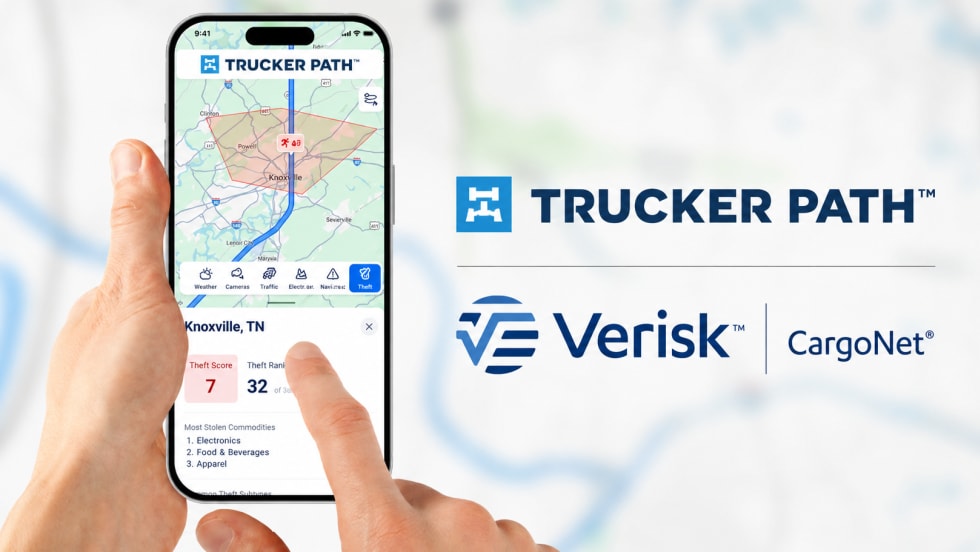
Trucker Path Adds Verisk CargoNet Theft Data to Navigation Platform
Trucker Path’s new cargo theft risk overlays give drivers and fleets visibility into high-risk areas, stolen commodity trends, and theft hotspots.
Read More →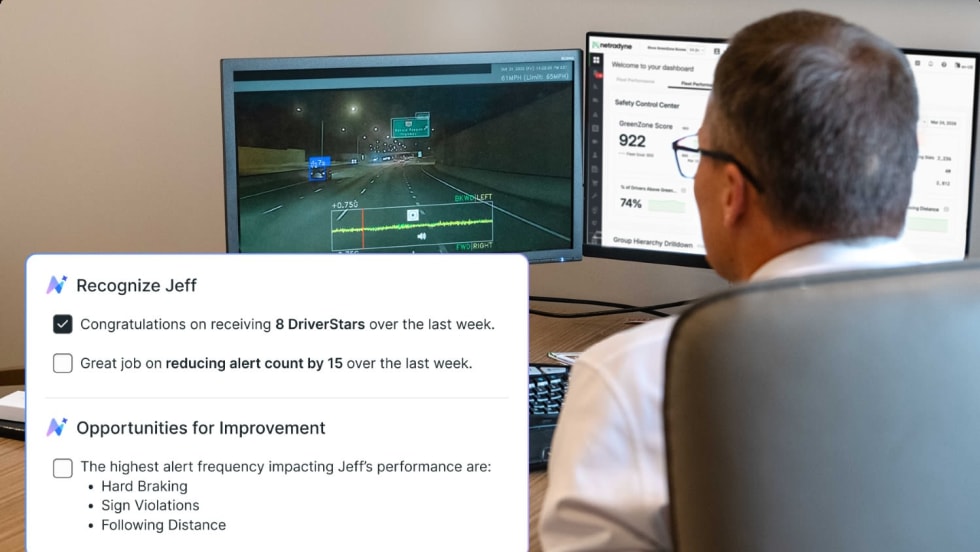
Netradyne Intelligence Uses New AI Agents to Automate Response to In-Cab Camera Data
The company called the next-generation in-cab camera safety platform "a fundamental shift from systems that report on what happened to systems that actively drive what should happen next."
Read More →
Why Truck Detention Keeps Costing Fleets Time and Money
A 2024 ATRI study found detention affects nearly 40% of truckload stops and costs the industry more than $15 billion annually. Despite the toll on drivers, fleets, and supply chains, the problem remains stubbornly persistent.
Read More →