




Texas Lawmakers Send Key Safety Bills To Governor
The 2001 legislative session in the Lone Star state ended with the governor receiving a pair of bills that would affect truck drivers traveling through Texas
The 2001 legislative session in the Lone Star state ended with the governor receiving a pair of bills that would affect truck drivers traveling through Texas.
Before adjourning, the legislature sent Gov. Rick Perrya a bill proposing to increase the maximum speed limit on rural interstate highways to 75 mph. The governor has until June 17 to sign the bill (HB229), which will allow the state Transportation Department to conduct studies to determine where speed limits can safely be raised.
Current Texas law provides a maximum lawful speed of 70 mph in daytime for a vehicle on a highway numbered by the state or the United States outside an urban district. Proponents of the bill argued that 10 western states with landscapes and population densities similar to the western part of Texas, including New Mexico, Oklahoma, and Arizona, have set 75 mph limits.
Also sent to the governor was a bill that gives law enforcement officials in Dallas County and along the Texas-Mexico border more authority to take trucks off the road. The new law will allow police departments in Dallas County and sheriff's departments in counties along the border to enforce commercial vehicle regulations. Officers would be required to attend courses on traffic and highway law enforcement from enforcing traffic and highway laws. The current law authorizes only certain officers to weigh a vehicle on a state maintained highway or to enforce state and federal standards regarding commercial vehicle safety.
Current law also allows commercial vehicles with a weight tolerance permit to travel over any bridge in the state regardless of the vehicle's weight. SB220 modifies that law so that over-heavy trucks may not operate on any public highway or at a port-of-entry between Texas and Mexico if the vehicle or combination exceeds maximum weight limits.
The bill also calls for the development of a database of roadside vehicle inspection reports for defects on any intermodal equipment, including all citations involving intermodal equipment issued by certified officers. The database would be used to identify violations discovered on intermodal equipment during a roadside inspection. The bill authorizes a certified sheriff or deputy sheriff to detain on a highway or at a port of entry within the territory of the county a motor vehicle that is subject to commercial motor vehicle safety standards.
A bill that would have raised the state fuel tax for truckers and other motorists died before the session adjourned. HB3106, sponsored by Rep. Clyde Alexander, would have increased the state tax rate on gasoline, diesel and liquefied fuel by 5 cents. Part of the money generated by the increase would have been used for to help public school teachers pay for health insurance. A similar bill, SJR27, sponsored by Sen. John Lindsay, also died in session.
More Safety & Compliance

New Guide Offers Pet Safety Tips for Truck Drivers
Hundreds of thousands of pets travel in truck cabs. A new safety guide from Volvo Trucks and the Center for Pet Safety offers practical advice for truck drivers who bring dogs and cats along for the ride.
Read More →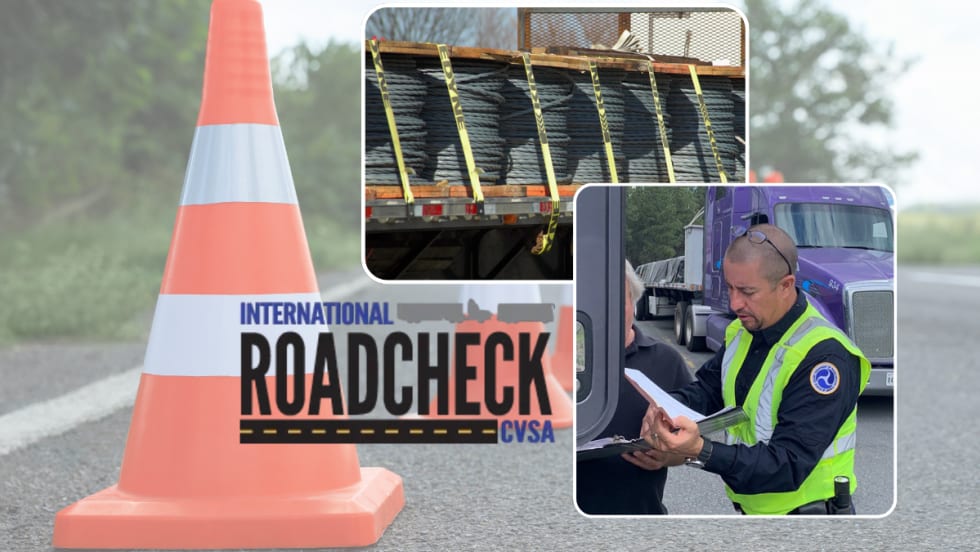
Medical Cards, English Proficiency Reshape Roadcheck Violations
Medical-card violations jumped to the top of the driver out-of-service list during CVSA’s 2026 International Roadcheck, while English-language proficiency violations appeared among the leading violations for the first time.
Read More →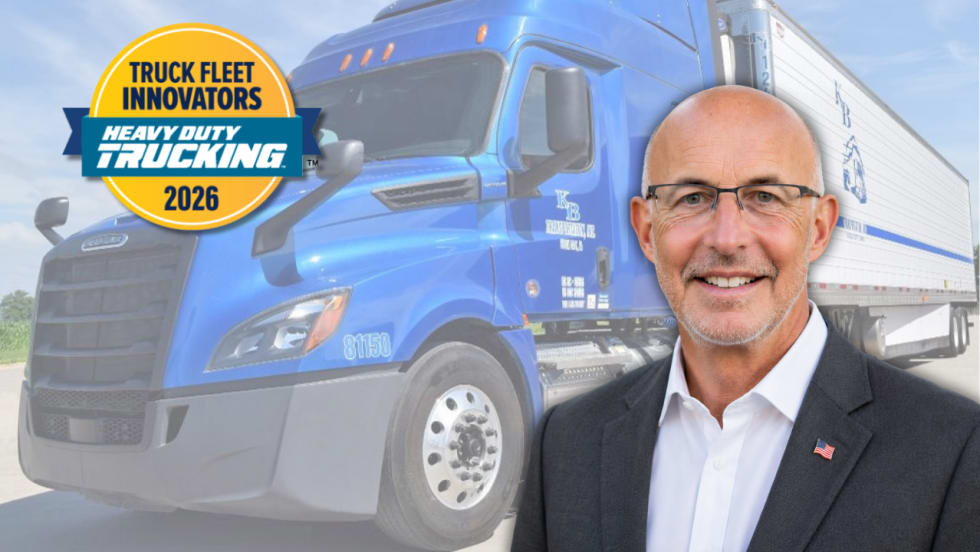
How Lance Evans Turns Enforcement Experience Into Better Fleet Safety
HDT Truck Fleet Innovator Lance Evans brings lessons from law enforcement to K&B Transportation’s approach to safety technology, data, driver coaching, and compliance.
Read More →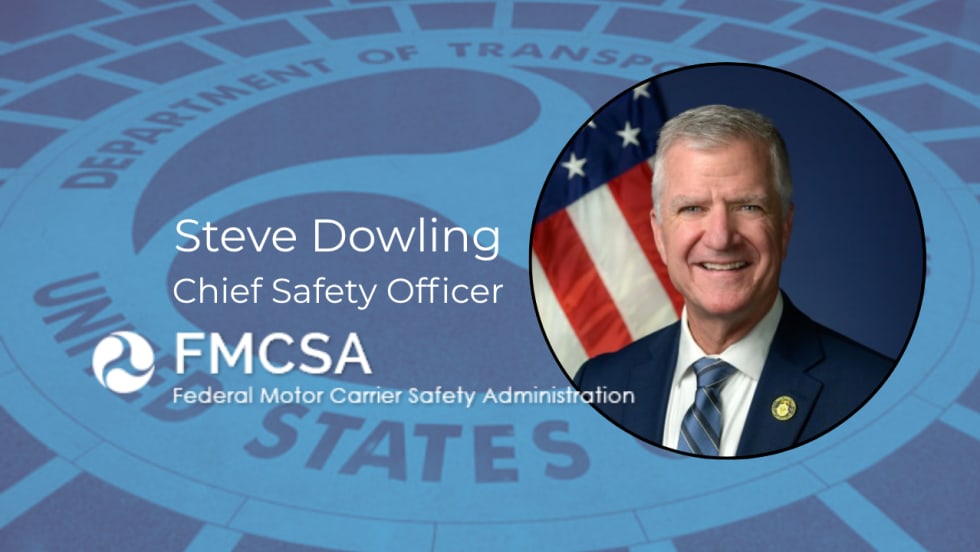
New FMCSA Chief Safety Officer Has Trucking Industry and Law Enforcement Experience
Steve Dowling joins FMCSA after serving as senior director of safety at Covenant Logistics and in leadership roles in commercial motor vehicle industry organizations.
Read More →
Driver Trust Can Make or Break the Success of Fleet Safety Technology
New Teletrac Navman research suggests that onboarding, transparency about driver data, and positive feedback can play a significant role in how commercial drivers respond to safety and coaching technology.
Read More →
FMCSA: Stop Using These 15 Electronic Logging Devices
Fleets and drivers must replace the revoked ELDs with ones on the FMCSA's registered device list of electronic logging devices.
Read More →
How HDT’s 2026 Truck Fleet Innovators Are Rethinking Fleet Operations
Meet five trucking leaders who are challenging assumptions, solving operational problems, and putting innovative ideas to work.
Read More →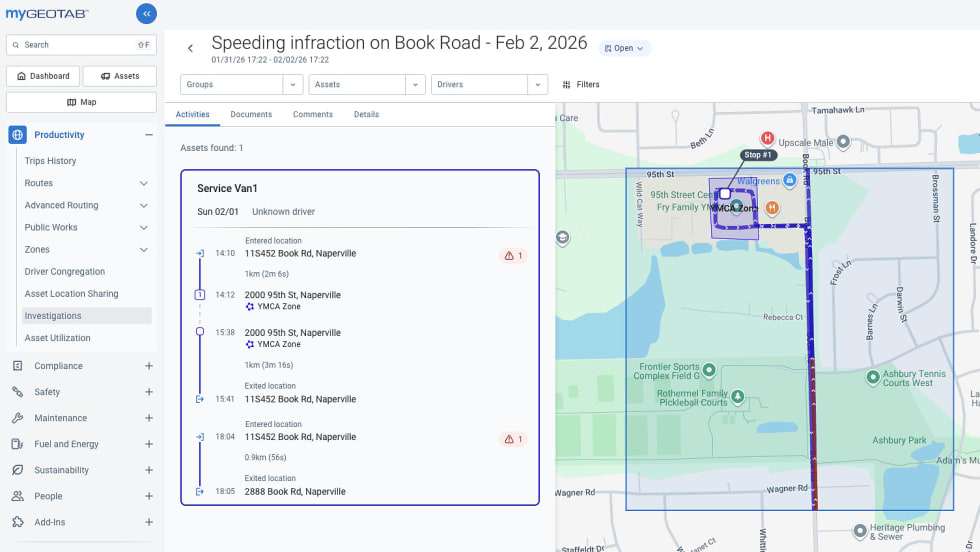
Geotab Launches Tool to Speed Fleet Incident Investigations
Geotab Investigations brings telematics data, video, photos, reports and other evidence into one case file to help fleets determine what happened and resolve incidents faster.
Read More →
FMCSA Moves to Codify English Language Requirements for Commercial Drivers
By changing regulations on English-language proficiency requirements for commercial drivers, rather than relying on a guidance memo, the FMCSA said future administrations won't be able to walk back the Trump administration's stricter enforcement with just a memo.
Read More →
Trump Administration Expands Homeland Security's Role in Trucking Enforcement
The administration's latest trucking crackdown goes beyond roadside inspections, expanding Homeland Security's role in commercial vehicle enforcement and investigations involving CDL training schools.
Read More →