




Teamsters to Vote Soon on YRC Contract Extension
The parent to several trucking companies, YRC Worldwide, has announced that local union leaders of the Teamsters Union have approved sending the company's proposed changes to the current Memorandum of Understanding to its 26,000 YRCW members for a vote.
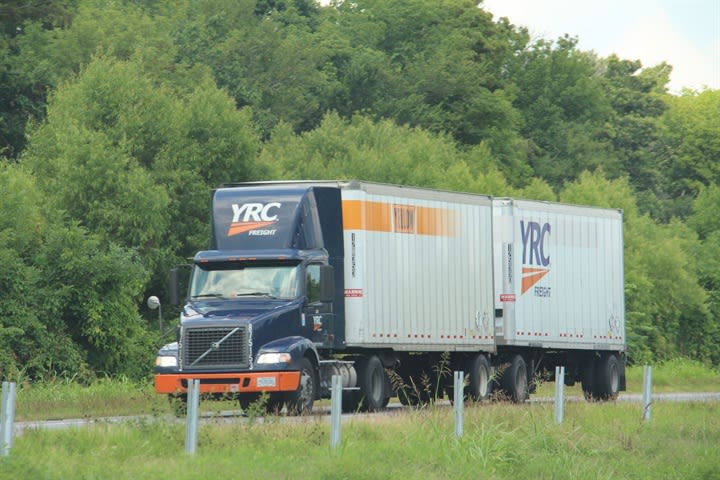
The parent to several trucking companies, YRC Worldwide, has announced that local union leaders of the Teamsters Union have approved sending the company's proposed changes to the current labor contract to its 26,000 YRCW members for a vote.
The company is proposing to extend and modify the current restructuring agreement from March 31, 2015, when it is scheduled to expire, until March 31, 2019.
YRCW has requested the extension and certain contract modifications to facilitate a refinancing of $1.4 billion of debt that comes due beginning in early 2014 as well as the conversion of at least an additional $200 million of debt to equity. The company and its lenders are saying it must reach a labor agreement with the Teamsters that both extends the contract and increases the company’s “competitiveness” by early January 2014 in order to complete the refinancing and debt conversion.
Ballots are tentatively scheduled to be mailed on or about December 10 and will be counted on or about January 8, 2014.
According to the dissident group, Teamsters for a Democratic Union, the proposal includes:
$750 bonuses instead of wage hikes in 2014 and 2015, then 40 cents per year (34 cents after 15% reduction).
A pay freeze for all office and non-CDL dock workers, and a lower top wage of $16 for future non-CDL dock hires.
Up to 6% purchased transportation (subcontracting) of road work, with a red-circle protection of all road drivers currently working, similar to what ABF now has.
Vacation pay capped at 40 hours or 1/58 annual earnings, and three-week annual vacation delayed until 11 years seniority.
Interlining of city traffic in certain low-density areas.
Attendance policy with a progressive discipline chart as an addendum to the contract.
Health and welfare coverage protected, with a five-month delay in the 2014 health and welfare payment increases.
Profit-sharing if YRC Freight achieves 97% operating ratio, or if the combined regional carriers achieve 95%.
The proposal to be voted has changed since the initial presentation to the Teamsters on November 20. It no longer has any change in overtime after eight hours, or any requirement to work all week to get health and welfare benefits fully paid.
"The affirmative vote from local Teamsters leaders allows us to begin the ratification process by which the company is seeking to extend the current Memorandum of Understanding [labor contract] to March 31, 2019, gain additional operating flexibilities in areas such as the increased use of purchased transportation and utility employees, among others, and allows us to move forward with our effort to refinance the company's balance sheet," said YRC Worldwide CEO James Welch.
Savings from the proposed agreement and other corporate initiatives are forecasted to be approximately $100 million annually, the majority of which would have been realized if the agreement would have been in place at the beginning of 2013, according to the company
“It has not been without its challenges, but we are pleased with our refinancing progress to date and believe that with this agreement and resulting savings we will be able to not only deliver the balance sheet and extend our maturities, but will also be able to decrease our interest expense," said YRC Worldwide CFO Jamie Pierson.
More Fleet Management

How Telematics Improves Visibility, Control, and Performance in Refrigerated Fleets
Explore how telematics help refrigerated fleets improve visibility, uptime, efficiency, compliance, and cargo protection across connected cold chain operations.
Read More →
What the U.S.-Canada Trade War Means for Trucking
Escalating U.S.-Canada tariffs could disrupt cross-border freight, reduce truck volumes, raise costs, and create new uncertainty for carriers on both sides of the border.
Read More →
What Are Trucking’s Top Concerns for 2026?
The American Transportation Research Institute wants to know what's worrying trucking fleet managers, drivers, and other stakeholders in its annual Industry Issues survey.
Read More →

American Trucking Associations Looks for a New Leader
ATA President and CEO Chris Spear abruptly left his job at the association on August 21, at a pivotal time for the trucking industry.
Read More →
Public Wi-Fi Cybersecurity Risks: How Truck Drivers and Fleets Can Protect Their Data
Public Wi-Fi can expose truck drivers and fleets to credential theft, malware, and other cyber threats. Here’s how to reduce the risk on the road.
Read More →
For Nicky Cupp, Fleet Innovation Starts With Frustration
HDT Truck Fleet Innovator Nicky Cupp turns everyday pain points at Fraley & Schilling into opportunities for better technology and smarter processes.
Read More →
Adam Buttgenbach’s Approach to Electric Trucks: Start With Where They Fit
HDT Truck Fleet Innovator Adam Buttgenbach helped PepsiCo build one of North America’s largest EV fleets by focusing on where electric trucks make operational sense.
Read More →
Deen Albert: Let Automation Do the Math, People Make the Decisions
HDT Truck Fleet Innovator Deen Albert makes sure people are still at the heart of operations at Grand Island Express, even while adopting artificial intelligence tools. AI-assisted dispatch helped boost revenue 25% with the same number of trucks.
Read More →
Trimble’s New AI Agent Takes Aim at Fleet Back-Office Busywork
Arc Agent works across Trimble TMS products to automate repetitive tasks such as freight orders, maintenance, invoices, fuel costs and more.
Read More →
How HDT’s 2026 Truck Fleet Innovators Are Rethinking Fleet Operations
Meet five trucking leaders who are challenging assumptions, solving operational problems, and putting innovative ideas to work.
Read More →