




Survey Shows Americans Support Gas Tax Under Certain Conditions
A national phone survey about tax options for funding transportation found that support for higher gas taxes or a new mileage tax can be significantly increased if certain conditions are met. according to the Mineta Transportation Institute
A national phone survey about tax options for funding transportation found that support for higher gas taxes or a new mileage tax can be significantly increased if certain conditions are met. according to the Mineta Transportation Institute.
"What Do Americans Think about Federal Transportation Tax Options? Results from Year 2 of a National Survey" was authored by Asha Weinstein Agrawal, Ph.D., and Hilary Nixon, Ph.D.
According to the report, attitudes have not changed much since the first survey was conducted a year ago. Research results show that 62 percent of respondents would support a gas tax increase of 10 cents per gallon to improve road maintenance. However, support levels dropped to just 24 percent if the revenues were to be used more generally to maintain and improve the transportation system.
For tax options where the revenues were to be spent for undefined transportation purposes, support levels varied considerably by what kind of tax would be imposed, with a sales tax much more popular than either a gas tax increase or a new mileage tax.
"We also found that the very low support levels for a one-time gas tax increase or a new mileage tax can be raised by modifying how the tax is structured and the way it is described," said Agrawal. "Dedicating the revenue to purposes popular with the public, spreading out the increase over several years, and providing information about how much the increase will cost drivers annually are all options for improving support levels."
Linking a transportation tax to environmental benefits can strongly increase support, the survey revealed. For example, support for the mileage tax rose significantly when the flat-rate tax was converted to a tax with a rate that varied according to the vehicle's pollution level.
New Revenue Sources Critically Needed
The survey was conducted because policy makers are investigating possible methods for raising new revenues for transportation. Revenues currently available from state and federal gas taxes have fallen significantly over the past decades, especially in terms of inflation-adjusted dollars per mile traveled.
"Taxes are levied on a per-gallon basis rather than per dollar spent," said Nixon. "With more fuel-efficient vehicles, less revenue is generated per gallon. At the same time, the U.S. transportation system requires critical and expensive system upgrades. We wanted to explore what funding options Americans might support in a time when new taxes are generally unpopular."
The poll also asked respondents about their priorities for government spending on transportation in their states. Close to two-thirds of respondents felt that governments should make it a high priority to maintain streets, roads, and highways, and more than half said the same about reducing accidents and improving safety. Also, almost half of respondents placed a high priority on reducing traffic congestion and expanding public transit service.
The survey compared public support for alternative versions of the mileage and gas taxes. The "base" cases tested against alternatives were a flat-rate mileage tax of one cent per mile and a 10-cents per gallon gas tax increase with no additional information given. All variants of these base cases increased the level of support significantly.
For example, varying the mileage tax by the vehicle's pollution level increased support by 14 percentage points. For the gas tax, dedicating the tax proceeds to maintaining streets, roads, and highways increased support by 38 percentage points over support for the base case version.
This follow-up to a similar survey that MTI conducted in 2010 suggests that Americans are just as willing to support tax increases for transportation this year as last, or even slightly more so.
The Survey and Policy Research Institute at San Jose State University conducted this national, random-digit-dial telephone survey of 1,519 adults from March 1 to April 6, 2011, on behalf of MTI's National Transportation Finance Center. Interviews were conducted in either English or Spanish, and respondents were reached on both land-line and cell phone numbers.
The final report is available for free download from the Mineta Transportation Institute at
More Drivers
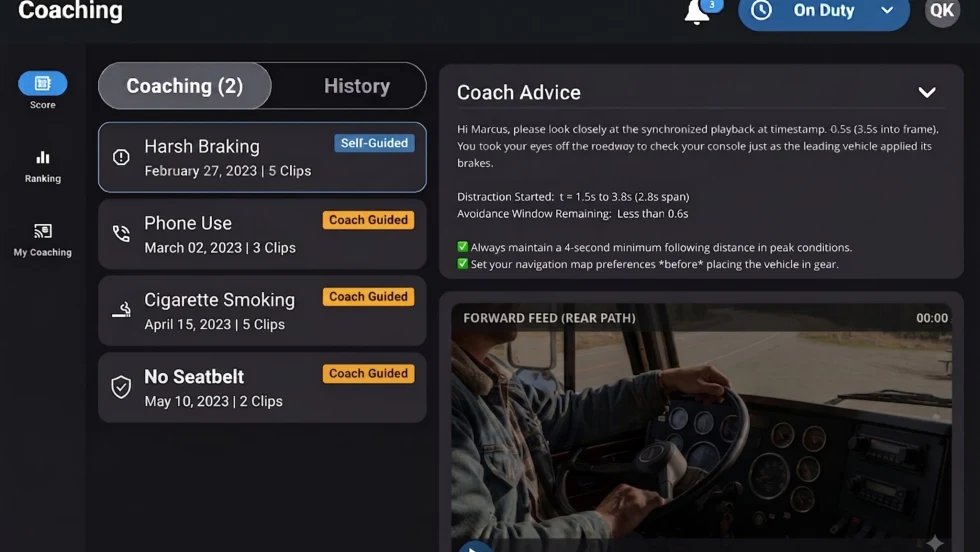
Platform Science Adds Dispatch and Safety Tools
Four additions to PS Fleet help fleets monitor loads, manage driver coaching, share truck locations and adjust video system settings.
Read More →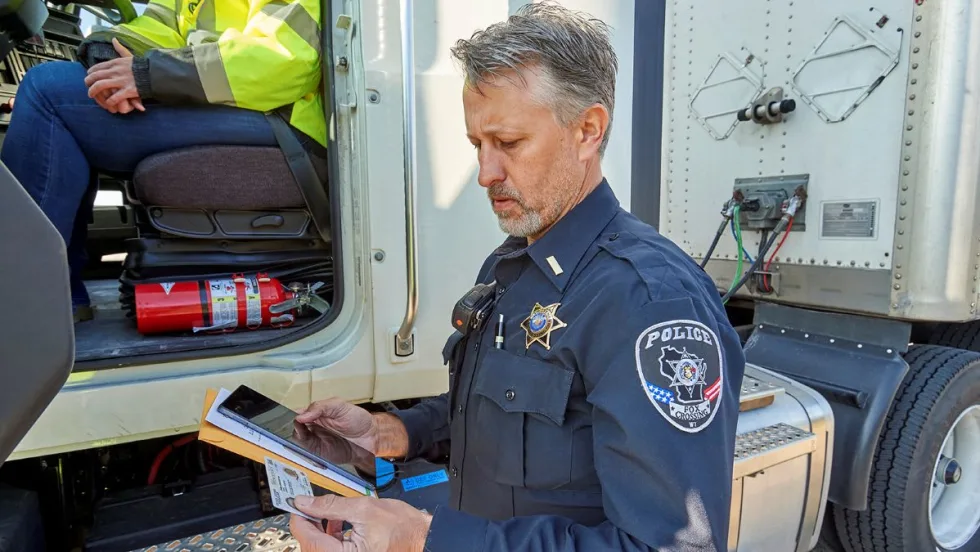
When Language Stops the Truck: The Return of ELP Out-of-Service Orders
English language proficiency rules for commercial drivers aren’t new, but renewed out-of-service enforcement has raised the stakes. Here’s what carriers need to know before a driver reaches a roadside inspection.
Read More →
Samsara Launches Custom AI Agent Builder
Agent Studio lets fleets create AI tools for hours-of-service monitoring, reporting and driver support, including agents that communicate by phone.
Read More →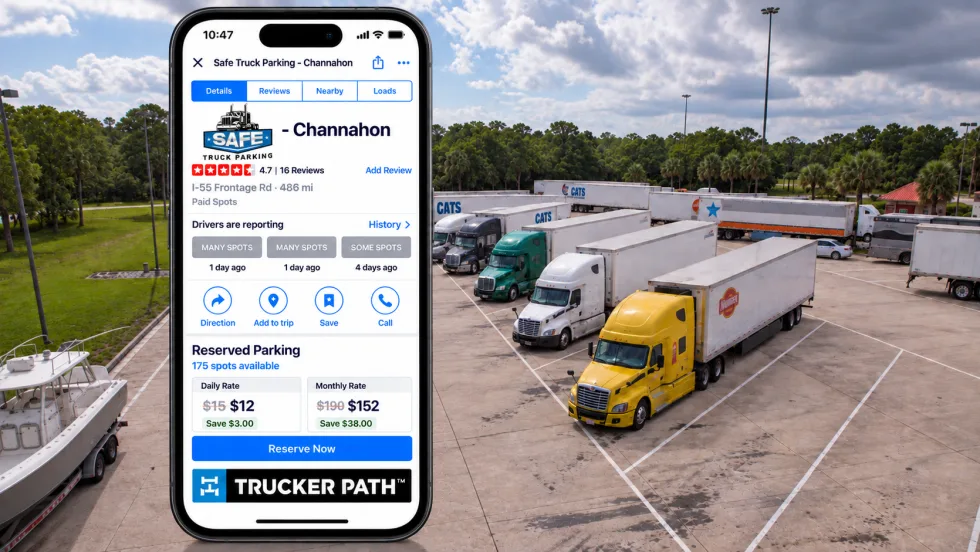
Trucker Path Expands Reserved Parking Network
Trucker Path has added close to 6,000 more truck parking spaces to its Trucker Path Reserved Parking Network with the addition of Safe Truck Parking.
Read More →
EEOC Sues Texas Trucking Company Over Driver Age Limits
The agency says Trancasa USA rejected applicants over 65 and applied tougher driving-record standards to those over 60.
Read More →
Nussbaum, Roehl Announce Second Driver Pay Increase This Year
This year has seen a swath of major truck driver pay increases as freight capacity has tightened.
Read More →
From One Generation to the Next: How Mentorship Builds Safer Truck Drivers
After three decades in trucking, Harold Perry shares what he's learned about driver safety, mentorship, and helping the next generation build confidence behind the wheel.
Read More →
Truck Drivers Need More Than Another Alert
Fleets have more visibility into truck health, safety events, and driver activity than ever. The next challenge is turning all that information into useful guidance for the person who has to decide what to do next.
Read More →
FMCSA Removes 110 Truck Driver Training Schools from Certified ELDT List
Federal regulators also are targeting more than 160 additional training providers and launching a nationwide audit of third-party CDL skills testers as part of a broader crackdown on trucking fraud.
Read More →
Hours of Service Pilot Programs: FMCSA Readies for 2027 Rollout
Two pilot programs could eventually reshape hours-of-service rules, giving truck drivers options to pause their 14-hour clock or use longer split sleeper rest periods.
Read More →