




Study: Traffic Jams Growing Threat
An urban congestion study found that the time penalty for making "rush-hours" trips is greater, rush hours are longer, and the percentage of streets and freeways that are congested is higher
An urban congestion study found that the time penalty for making "rush-hours" trips is greater, rush hours are longer, and the percentage of streets and freeways that are congested is higher.
The annual 2002 Urban Mobility report from the Texas Transportation Institute found that traffic delays in the nation's largest urban areas increased by 41 percent since 1990. As a result, the average urban rush hour driver now spends an average of 62 additional hours annually -- the equivalent of one and a half working weeks -- stuck in traffic because of traffic congestion, up from 44 hours in 1990.
The study found the nation's worst-congested 10 urban areas, in order of rank, are: Los Angeles; San Francisco-Oakland; Chicago; Washington, D.C.; Boston; Miami-Hialeah; Seattle-Everett; Denver; San Jose; and New York-Northeastern N.J.
TTI officials say there are solutions -- more roadways and transit, ramp metering, HOV lanes, incentives to make trips at different times and better incident management (clearing accident scenes more quickly, etc.) -- that can make a positive difference in addressing the problem. The bad news, researchers Tim Lomax and David Schrank say, is that even if transportation officials do all the right things, the likely effect is that congestion will continue to grow, even if more slowly, because not enough is being done.
Even the best efficiency-boosting ideas can't entirely take the place of new roads. The researchers point out that although roadway expansion isn't a "wonder drug" to cure traffic jams, it does make a difference. "The few cities that have added travel demand and roadway supply at roughly the same rate have seen slower congestion growth," Lomax says. "Even so, it is very difficult to sustain the funding, environmental approval and public confidence to pursue that as the only strategy."
The study found the time penalty for peak period travelers has jumped from 16 hours per year in 1982 to 62 hours in 2000. The period of time when travelers might experience congestion has increased from 4.5 hours in 1982 to 7 hours in 2000. And the amount of roadways that are congested has grown from 34 percent in 1982 to 58 percent in 2000.
The Urban Mobility Report is produced by TTI and funded by a consortium of 10 state transportation agency sponsors. TTI, a member of the Texas A&M University System, is the largest university-affiliated transportation research agency in the nation.
More Drivers
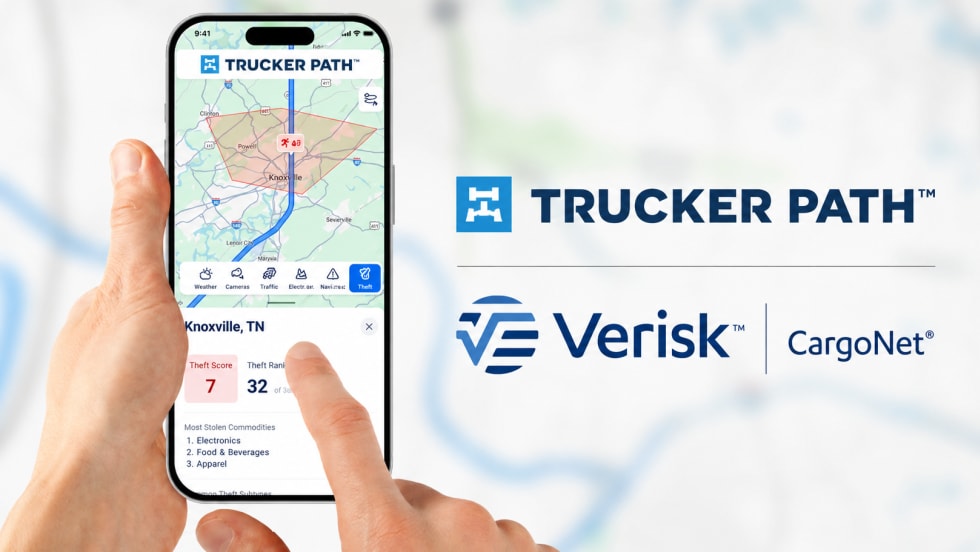
Trucker Path Adds Verisk CargoNet Theft Data to Navigation Platform
Trucker Path’s new cargo theft risk overlays give drivers and fleets visibility into high-risk areas, stolen commodity trends, and theft hotspots.
Read More →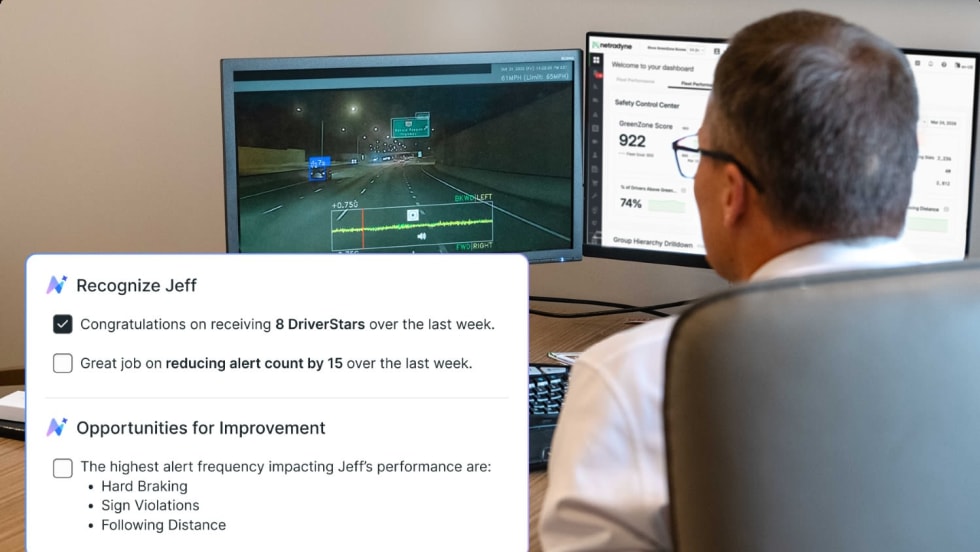
Netradyne Intelligence Uses New AI Agents to Automate Response to In-Cab Camera Data
The company called the next-generation in-cab camera safety platform "a fundamental shift from systems that report on what happened to systems that actively drive what should happen next."
Read More →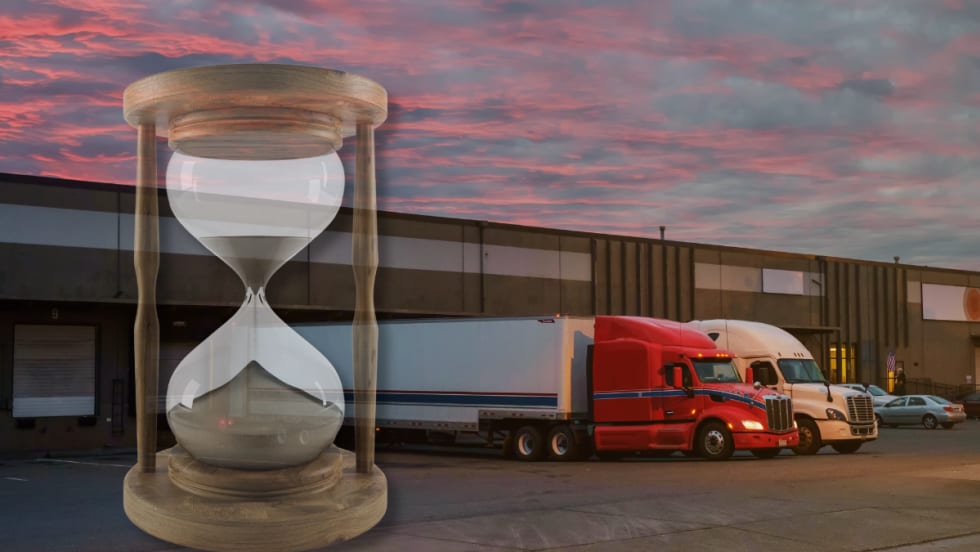
Why Truck Detention Keeps Costing Fleets Time and Money
A 2024 ATRI study found detention affects nearly 40% of truckload stops and costs the industry more than $15 billion annually. Despite the toll on drivers, fleets, and supply chains, the problem remains stubbornly persistent.
Read More →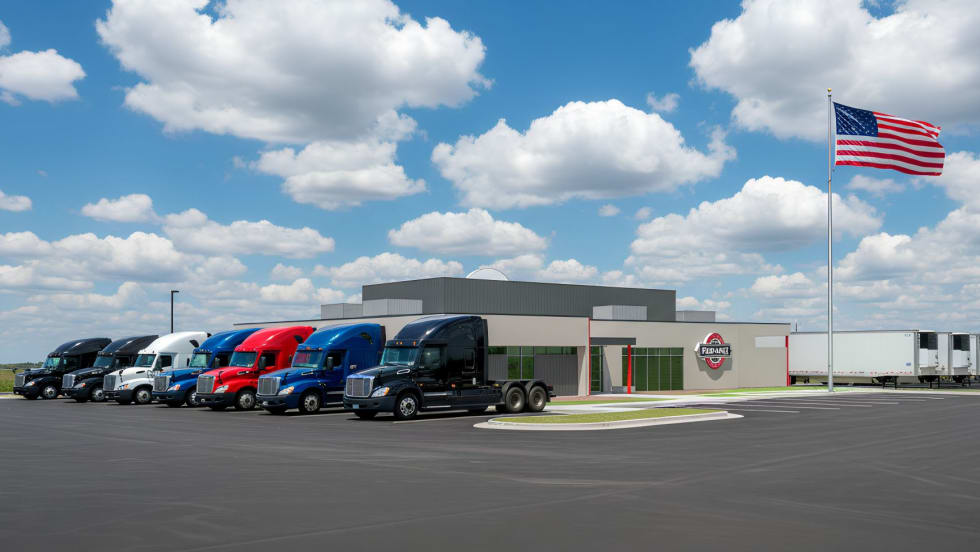
Prime Inc. to Open $7.9M Flagship Used-Truck Dealership
A new driver-focused facility to sell Prime Inc's used trucks and trailers will be the first purpose-built location in the company's history.
Read More →
Short Takes: Inside K&B’s Truck Safety Tech
Listen to learn how K&B Transportation uses cellphone-blocking technology, speed management systems, weather geofencing, bridge avoidance tools, and more to improve driver safety.
Read More →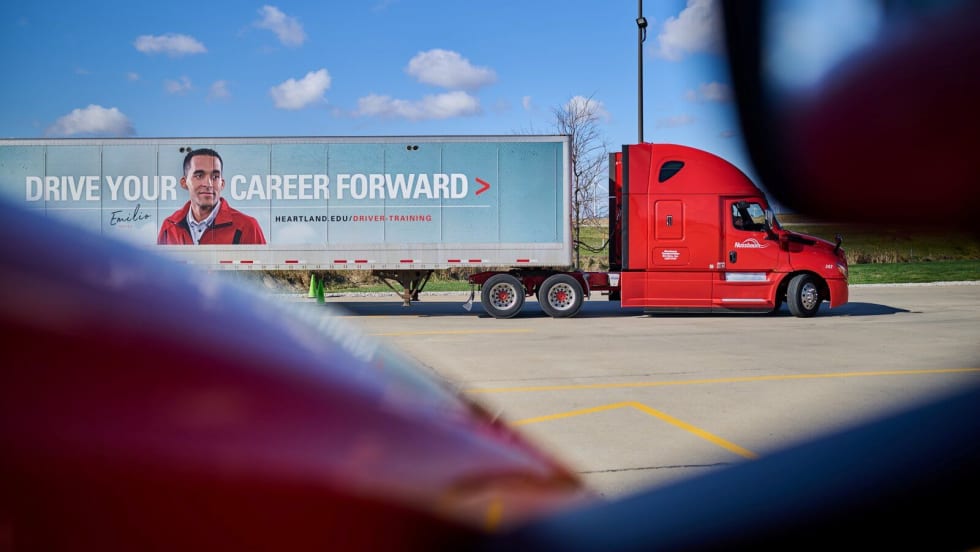
Nussbaum Expands Driver Compensation with Pay Raises, Profit Sharing
Nussbaum Transportation said its latest compensation package could push first-year driver earnings above $90,000 in key hiring markets.
Read More →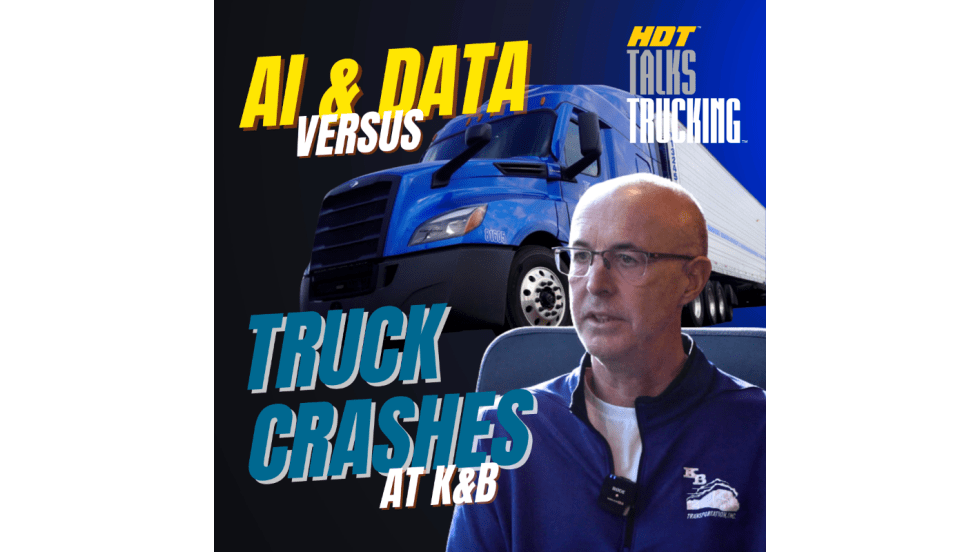
Listen: Inside Modern Fleet Safety: AI, Cameras & Speed Control at K&B Transportation
Fleet safety is evolving fast—and technology is at the center of it. Learn how a former commercial vehicle enforcement officer turned director of safety at K&B Transportation is embracing real-world safety technology.
Read More →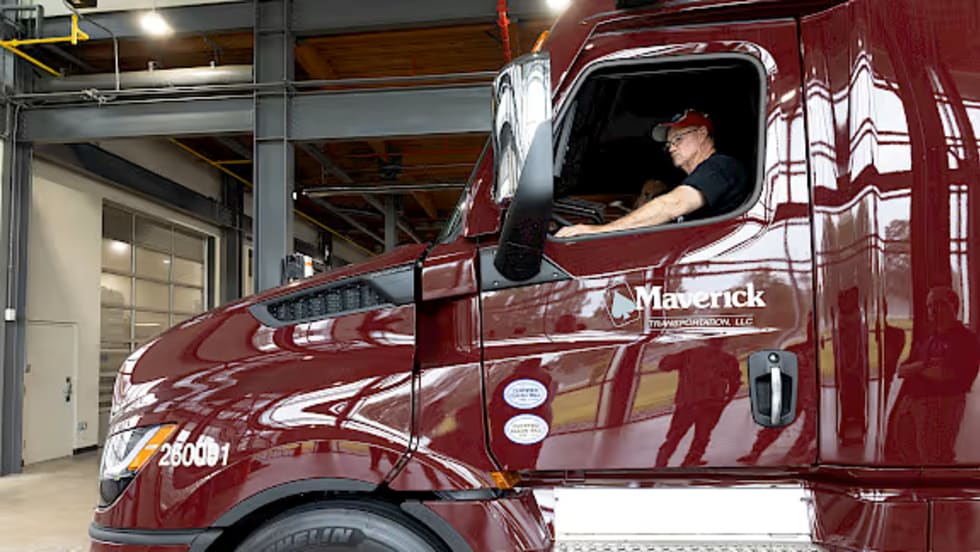
Maverick Announces 2026 Driver Pay Raises
New raises for Maverick Transportation drivers will take effect on May 31, 2026.
Read More →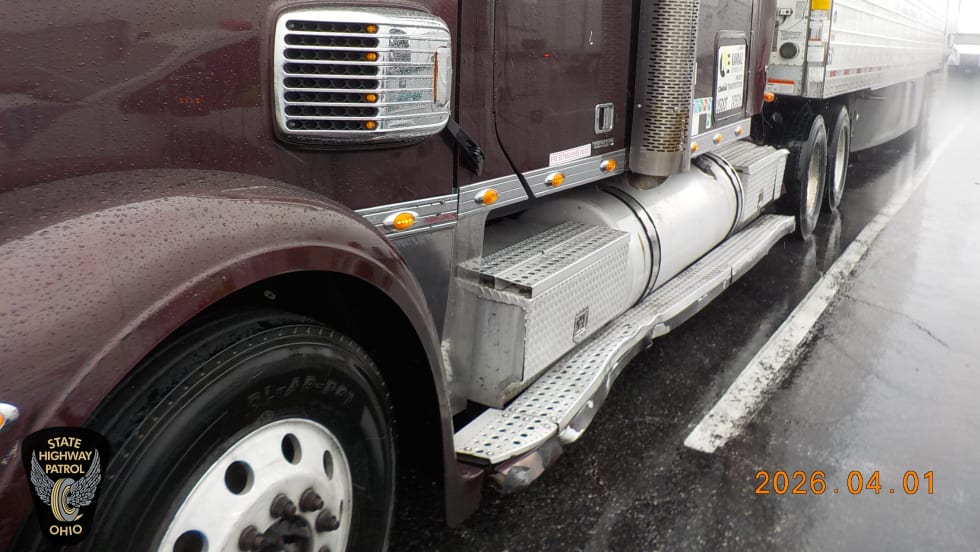
Illinois Trucker Indicted for Nearly $22,000 in Ohio Turnpike Toll Evasion
Authorities say an Illinois trucker avoided paying tolls for two years, and now faces felony charges, possible prison time, and forfeiture of his Freightliner tractor.
Read More →
New Trojan Driver Cargo Theft Scam Bypasses Carrier Vetting Systems
Cargo theft rings plant operatives as drivers inside legitimate, fully vetted carriers, then execute coordinated thefts that look like a traditional straight theft from the outside.
Read More →