




Strong Volume Reflected in Cass Freight Index
March freight shipment volume in the U.S. increased 6.6% over the prior month, on top of the 7.3% rise seen in February, according to the just released Cass Freight Index.
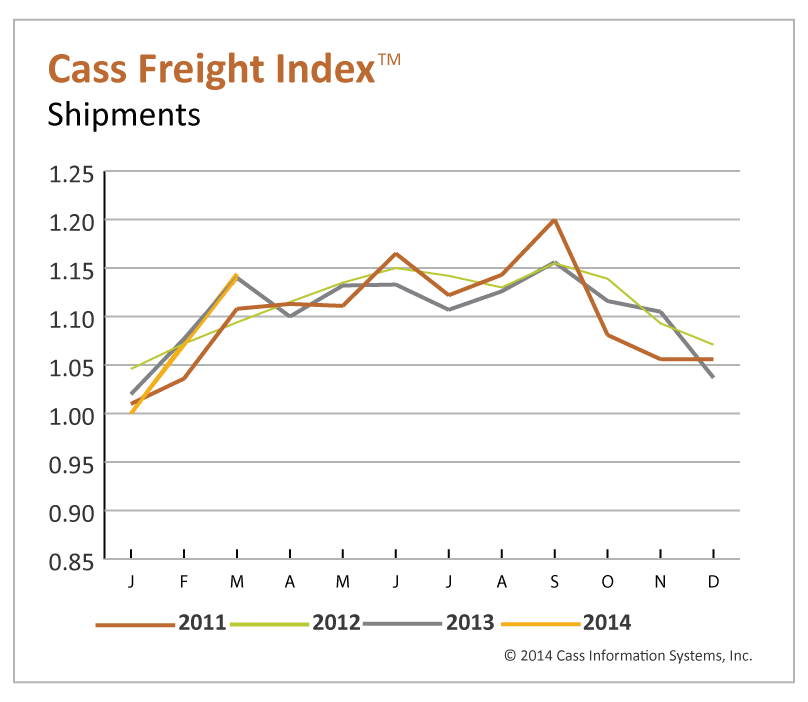
March freight shipment volume in the U.S. increased 6.6% over the prior month, on top of the 7.3% rise seen in February, according to the just released Cass Freight Index.
The number of shipments was 0.4% higher than last March and 4.6% higher than in March of 2012.
Freight expenditures rose for the second month in a row, increasing 5.4% over February. Expenditures rose at a slower rate than volumes, indicating that most of the increase can be attributed to the change in volume, the report said.
This is the second highest point the payments index has reached in four years, and 5.3% higher than in the same month in 2013.
Freight spending was up 6.8% in the first quarter of 2013 compared to the previous quarter.
Data within the index includes all domestic freight modes and is derived from $23 billion in freight transactions processed by Cass annually on behalf of its client base of hundreds of large shippers.
Commenting on the performance and how the overall economy is affecting freight shipments, Rosalyn Wilson, supply chain expert and senior business analyst with the management consulting firm Delcan Corporation, who provides analysis for the report, noted manufacturing and production have turned a corner and are back in expansion mode
She also point to imports, which were up in February, especially for autos and parts, while sales of cars and pickup trucks, which are considered a harbinger of recovery in the construction sector, rose sharply in March. Also, new housing starts actually fell for the first two months of 2014, but permits were up 5%.
“January and February are traditionally low because of the weather, and this year’s weather has been especially severe,” she said. “Rising home prices and interest rates will likely have a dampening effect going forward.”
Wilson also noted the weather affected consumer spending during the first quarter as well, so expect to see recovery as consumers spend more because of pent up demand.
And while the labor picture appears to be strengthening on the surface, with 192,000 jobs added last month, she cautions Gallup’s measure of the percentage of the adult population that is employed full time (at least 30 hours a week) dropped to 42.7%, just slightly above the low point in February 2011.
“Gallup also puts the seasonally adjusted unemployment rate at 7.5%, compared to the Bureau of Labor Statistics’ 6.7%,” she said, noting the Gallup figure includes the so‐called "discouraged workers" that fall off the BLS rolls, while private‐sector payrolls are now higher than in December 2007, the start of the Great Recession.
“All in all, lots of strengthening in the economy, but taking everything into consideration the signals are still mixed,” said Wilson. “It will be interesting to see if we can continue to climb up or if we will keep with the trend of recent years and stumble in the second quarter.”
More Fleet Management
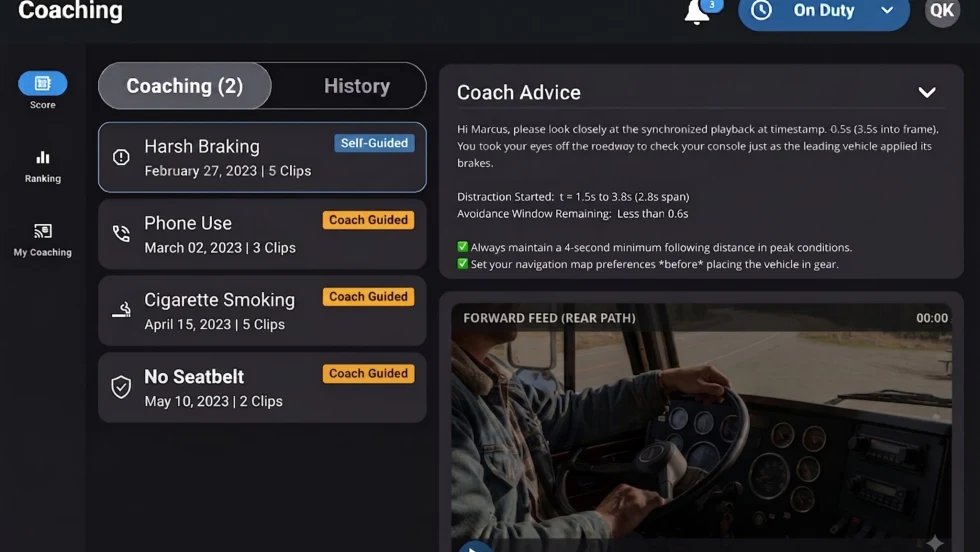
Platform Science Adds Dispatch and Safety Tools
Four additions to PS Fleet help fleets monitor loads, manage driver coaching, share truck locations and adjust video system settings.
Read More →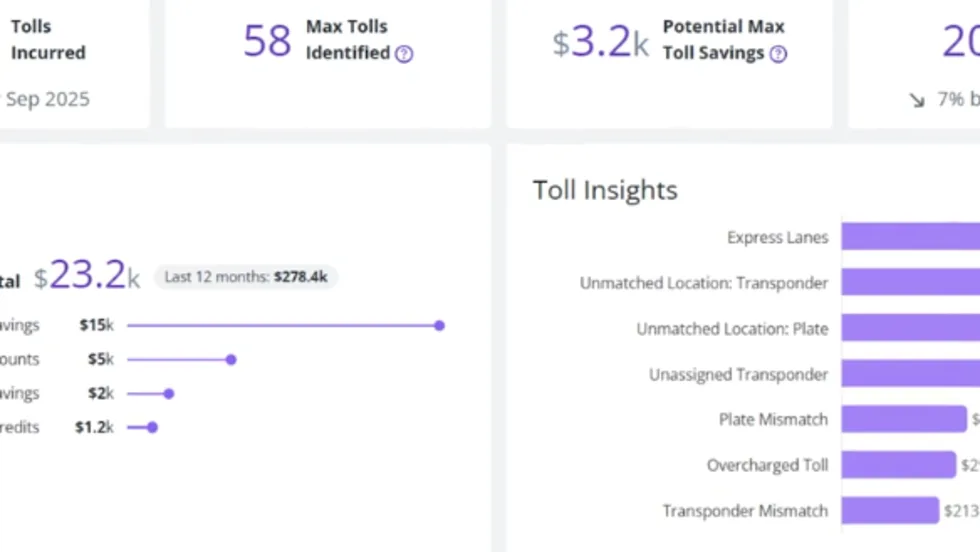
PrePass Intelligence Mines Fleet Bypass, Toll and Safety Data
PrePass Intelligence helps fleets measure bypass savings, flag potential toll overcharges, and spot suspicious transactions by combining data from separate systems.
Read More →
Motive Adds AI Agents for Fleet Operations
New tools automate follow-up on fleet data, from maintenance work orders to driver alerts, with two-way voice conversations planned for later this year.
Read More →
Can You Beat Our Trucking Trivia Challenge?
Test your truck knowledge with 19 trivia questions from Heavy Duty Trucking Exchange. Can you keep up with the fleet pros?
Read More →
BeyondTrucks Adds Rules Checks to Dispatch
New Compatibility Engine checks driver qualifications, equipment requirements and fleet policies before loads are dispatched.
Read More →
Diesel Prices Hijack Trucking’s Worry List
ATRI’s annual survey finds cautious optimism about freight, but diesel costs, litigation, and insurance continue to squeeze fleets. Drivers have different priorities on several issues.
Read More →
Nomination Deadline Extended for HDT Emerging Leaders
Just a few more days to nominate accomplished trucking fleet professionals under 40 who are making an impact and helping lead the industry forward for the HDT Emerging Leaders award. Deadline extended to October 20!
Read More →
What Will ATA’s New Leader Bring to Trucking's Table?
Incoming President and CEO Mark Colson’s record in Alabama offers clues about his priorities and approach following Chris Spear’s abrupt departure as the head of the American Trucking Associations.
Read More →
Volvo, Waabi Start Commercial Autonomous Operations in Texas
Volvo VNL Autonomous trucks, powered by the Waabi Driver, are hauling freight directly to third-party facilities for a customer in Texas.
Read More →
Samsara Launches Custom AI Agent Builder
Agent Studio lets fleets create AI tools for hours-of-service monitoring, reporting and driver support, including agents that communicate by phone.
Read More →