




South Carolina Limits Trucks To Right Lanes
South Carolina is now limiting big trucks to the two right lanes of stretches of interstate with three or more lanes
South Carolina is now limiting big trucks to the two right lanes of stretches of interstate with three or more lanes.
The state Department of Transportation announced the new rules Thursday, unveiling signs along the interstates alerting truckers of the restriction. North Carolina and Georgia have similar restrictions, according to published reports.
The move follows a pilot program that has been in place on two stretches of Interstate 85 in the upstate area since September 2000. After one year, the number of crashes on those highways dropped 17 percent, the number of crashes with injuries dropped 72 percent, and there were no fatal crashes involving trucks. However, traffic enforcement also was increased during the pilot period.
The South Carolina Trucking Assn. released a statement, noting that "reducing the highway capacity for large commercial vehicles may provide a more convenient high speed lane for cars, but it will create another set of challenges for truck drivers."
In a letter last October to the state DOT, the association said it would not oppose the policy, but it had a number of concerns about it, including the potential for increased tailgating, more erratic and impatient automobile driver behavior around large trucks, and greater difficulty with traffic entering and exiting interstates. SCTA President J. Richards Todds wrote that the association was "not convinced that any quantifiable safety benefits have been realized as a direct result of the lane restrictions imposed" during the pilot project.
In the statement released to the press this week, the association also noted that the number of fatalities and collisions involving large trucks dropped 25 percent in the state between 1999 and 2000. Todds credits an "overall team effort," with SCTA members' public education initiatives working in tandem with the stepped-up focus of a variety of local law enforcement agencies.
More Drivers
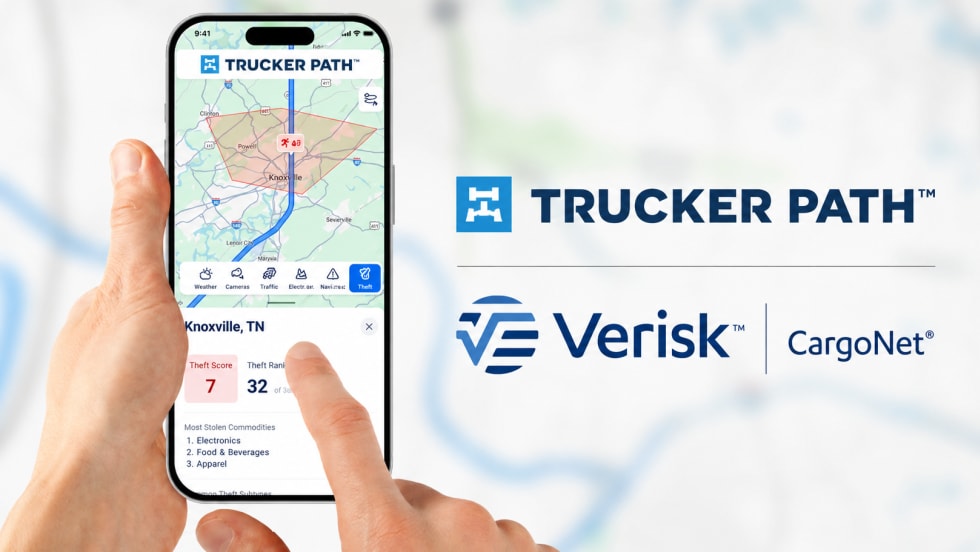
Trucker Path Adds Verisk CargoNet Theft Data to Navigation Platform
Trucker Path’s new cargo theft risk overlays give drivers and fleets visibility into high-risk areas, stolen commodity trends, and theft hotspots.
Read More →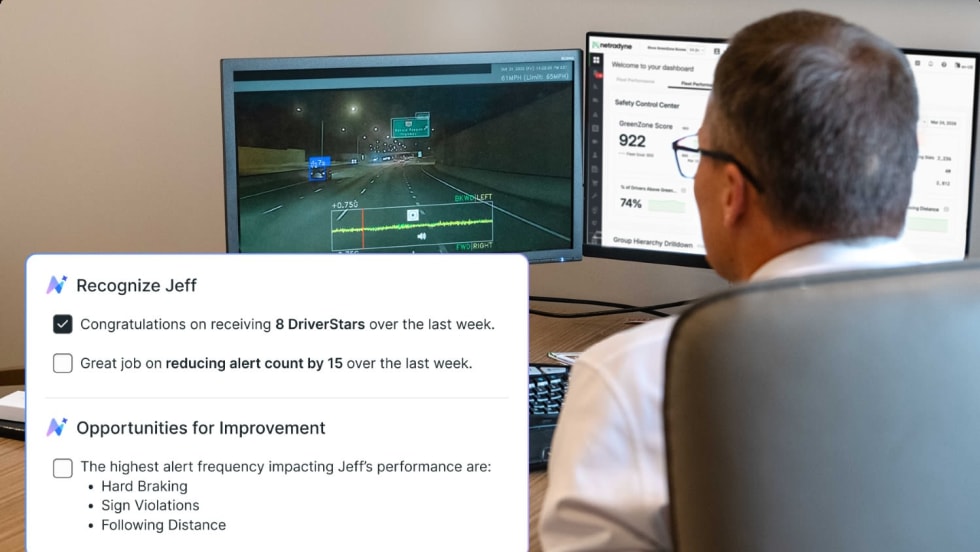
Netradyne Intelligence Uses New AI Agents to Automate Response to In-Cab Camera Data
The company called the next-generation in-cab camera safety platform "a fundamental shift from systems that report on what happened to systems that actively drive what should happen next."
Read More →
Why Truck Detention Keeps Costing Fleets Time and Money
A 2024 ATRI study found detention affects nearly 40% of truckload stops and costs the industry more than $15 billion annually. Despite the toll on drivers, fleets, and supply chains, the problem remains stubbornly persistent.
Read More →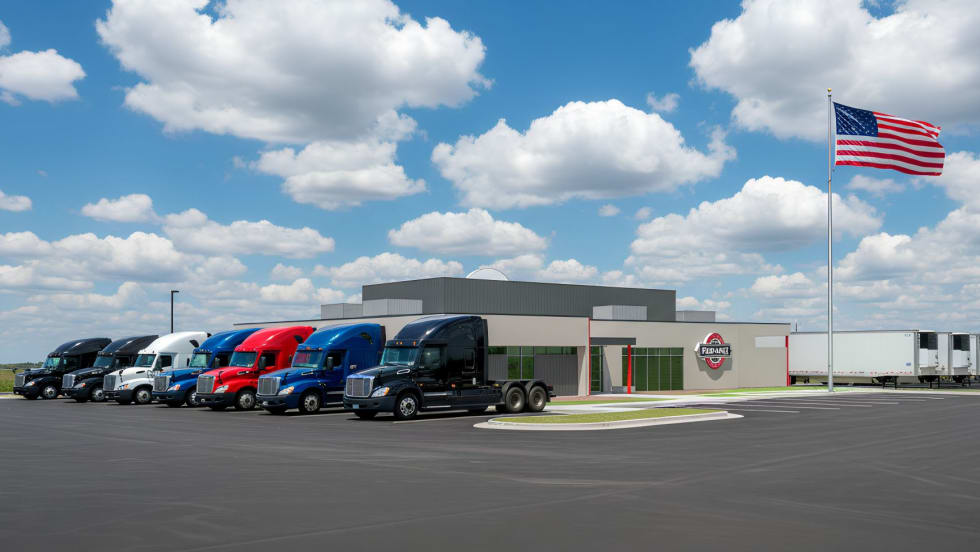
Prime Inc. to Open $7.9M Flagship Used-Truck Dealership
A new driver-focused facility to sell Prime Inc's used trucks and trailers will be the first purpose-built location in the company's history.
Read More →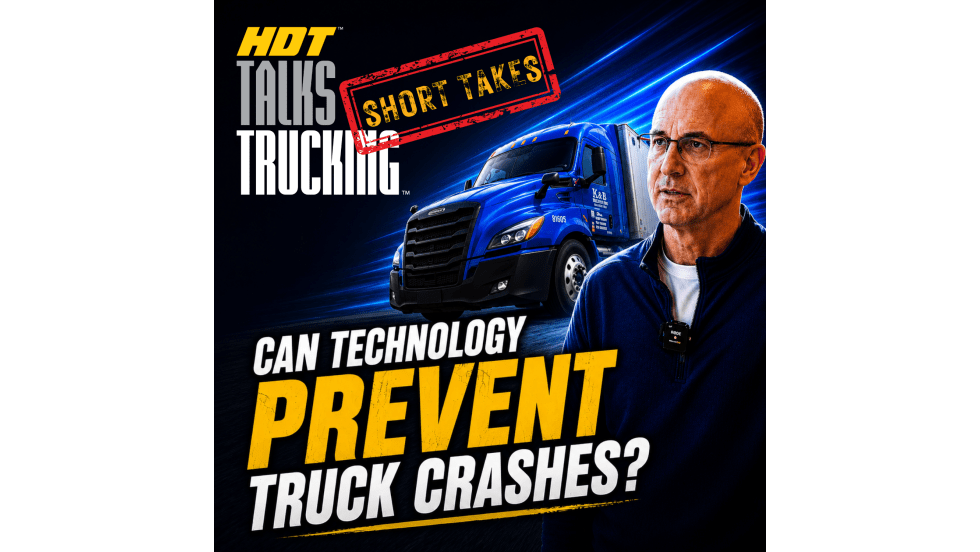
Short Takes: Inside K&B’s Truck Safety Tech
Listen to learn how K&B Transportation uses cellphone-blocking technology, speed management systems, weather geofencing, bridge avoidance tools, and more to improve driver safety.
Read More →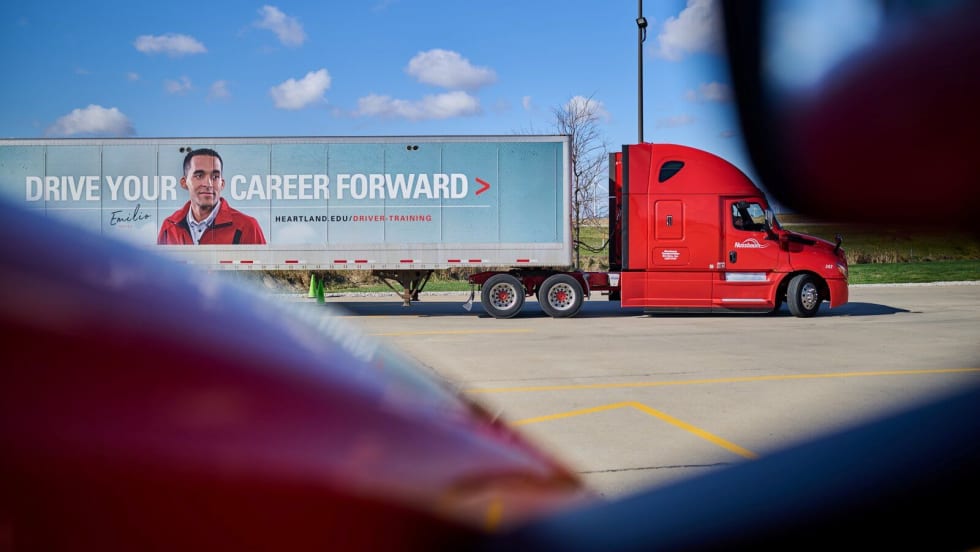
Nussbaum Expands Driver Compensation with Pay Raises, Profit Sharing
Nussbaum Transportation said its latest compensation package could push first-year driver earnings above $90,000 in key hiring markets.
Read More →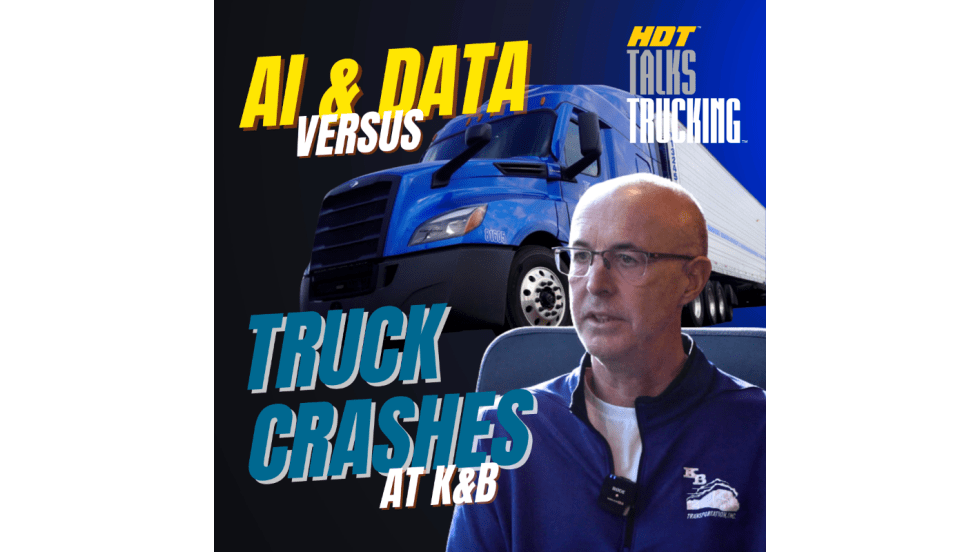
Listen: Inside Modern Fleet Safety: AI, Cameras & Speed Control at K&B Transportation
Fleet safety is evolving fast—and technology is at the center of it. Learn how a former commercial vehicle enforcement officer turned director of safety at K&B Transportation is embracing real-world safety technology.
Read More →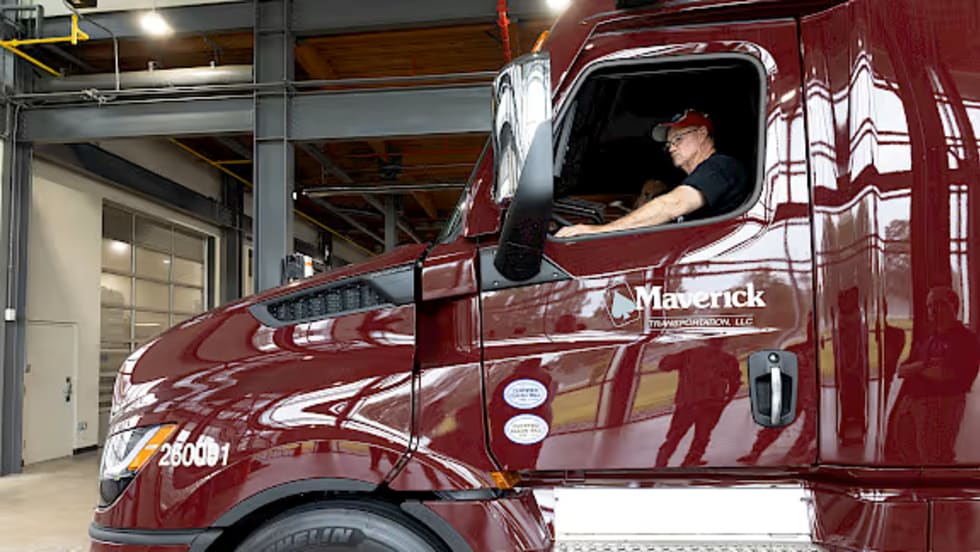
Maverick Announces 2026 Driver Pay Raises
New raises for Maverick Transportation drivers will take effect on May 31, 2026.
Read More →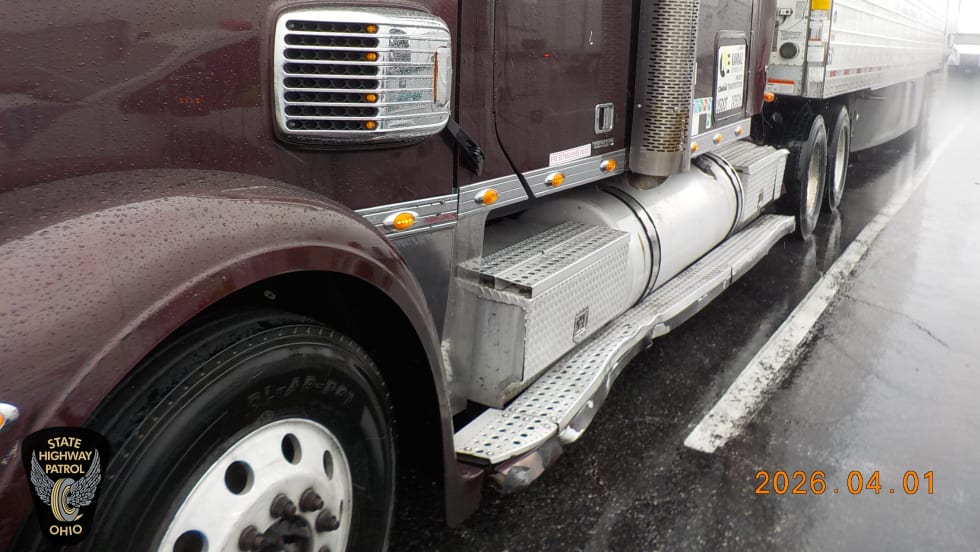
Illinois Trucker Indicted for Nearly $22,000 in Ohio Turnpike Toll Evasion
Authorities say an Illinois trucker avoided paying tolls for two years, and now faces felony charges, possible prison time, and forfeiture of his Freightliner tractor.
Read More →
New Trojan Driver Cargo Theft Scam Bypasses Carrier Vetting Systems
Cargo theft rings plant operatives as drivers inside legitimate, fully vetted carriers, then execute coordinated thefts that look like a traditional straight theft from the outside.
Read More →