




Solid February Class 8 Order Activity Reported
ACT Research and FTR have released preliminary expected Class 8 orders that are solid for the month of February.
ACT Research and FTR have released preliminary expected Class 8 orders that are solid for the month of February.
ACT Research reports February North American Classes 5-7 net orders are expected at 19,600 units (±5%) and Class 8 net orders are expected at 29,200 units (±5%), when actual data are released mid-month.
FTR has released preliminary data showing February Class 8 truck net orders at 28,876, the highest February, and combined with December and January the best three-month period, since 2006. February 2014 net orders were a 27% improvement from the same month in 2013 continuing a string of thirteen consecutive months with year-over-year gains. The last six months of Class 8 order activity annualize to 320,500 units, according to FTR.
“February’s Class 8 orders were the fifth best since Q2 2006,” said Kenny Vieth, ACT’s president and senior analyst. “Despite falling 16% from January, February’s net orders were up 30% compared to a year-ago. Since October, Class 8 orders have been booked at a 320k SAAR. Going even further afield, since the beginning of Q3’13, Class 8 net orders have been booked at a 299k SAAR,” Vieth added.
Don Ake, FTR vice president of commercial vehicles, commented, “Orders were strong for the third consecutive month and in line with expectations with the market now officially in a growth cycle. The confidence in the industry is picking up steam and we expect 2014 to be a healthy year for Class 8 trucks. The current order activity should begin to put pressure on OEM build rates for Q2 to be more in line with the FTR forecast.”
More Drivers

FMCSA Moves to Codify English Language Requirements for Commercial Drivers
By changing regulations on English-language proficiency requirements for commercial drivers, rather than relying on a guidance memo, the FMCSA said future administrations won't be able to walk back the Trump administration's stricter enforcement with just a memo.
Read More →
Drivers Put Western Star Trucks to the Test at Star Nation Experience
Watch to get an inside look at the Western Star trucks, technology, and community behind the Star Nation Experience 2026!
Read More →
Trump Administration Looks to Put More Veterans Behind the Wheel
The Freedom Haulers program pulls together existing and expanded programs at several federal agencies to recruit veterans to drive commercial heavy-duty trucks and cut the red tape for them to get a CDL, training, and employment.
Read More →
Putting Mack’s Command Steer to the Test
A test drive of Mack’s Command Steer active steering system evaluates how it can make truck driving easier and less tiring.
Read More →
Competition Heating Up for Truck Drivers
New report reveals rising driver hiring costs, the return of sign-on bonuses, growing AI advantages, and the operational factors shaping driver retention.
Read More →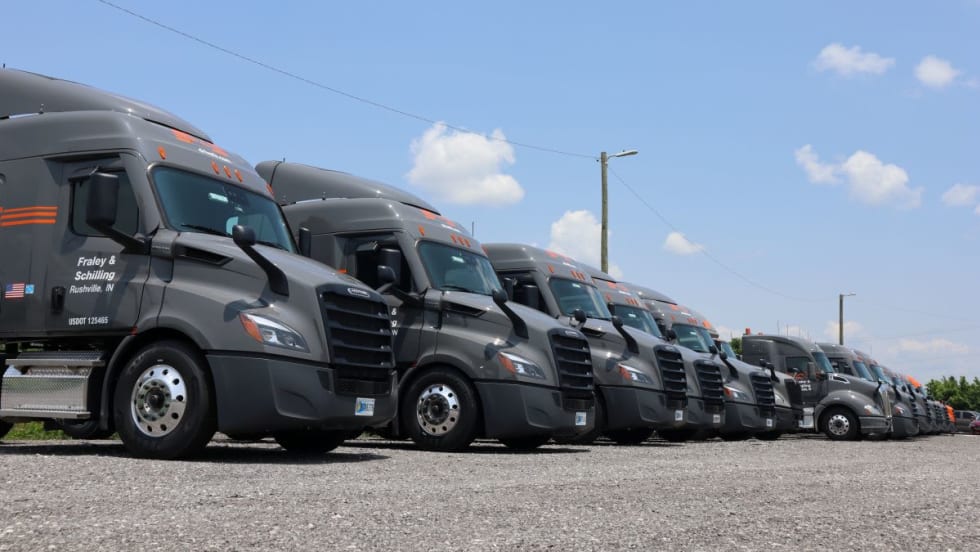
How Fraley & Schilling Improved Logbook Compliance by Over 50%
Fraley & Schilling needed a way to close a compliance workflow gap in its ELD system without adding more work from driver training, reminders, and back-office follow-ups. It found the answer in a custom driver app.
Read More →
Volvo Goes Gaming
Volvo has roared into American Truck Simulator with two new flagship trucks.
Read More →
What the Best Fleets to Drive For Teach About Driver Retention
Survey fatigue, AI-powered routing, owner-operator expectations, and the decline of social media all emerged as themes from this year's Best Fleets to Drive For program.
Read More →
Driver Retention Lessons From the Best Fleets to Drive For
What separates trucking's best workplaces from the rest? Jane Jazrawy shares the biggest lessons from this year's Best Fleets to Drive For program on driver retention, communication, AI, and workforce trends on the HDT Talks Trucking podcast.
Read More →
Farewell, CDL: Why I'm Giving Up My Commercial Driver's License
After more than 20 years as a CDL holder, HDT Executive Editor Jack Roberts is letting his commercial license expire. Not because he wants to — but because trucking's nuclear verdict crisis has made the risks of public-road test drives too great for editors, manufacturers, and everyone involved.
Read More →