




Slow Economic Growth Likely to Continue; Fed Policy Big Unknown
One economist is predicting continued slow growth for the economy, but believes our current economic models aren’t working when it comes to federal fiscal policy.


One economist is predicting continued slow growth for the economy, but believes our current economic models aren’t working when it comes to federal fiscal policy.
During FTR’s monthly “State of Freight” webcast series, senior consultant and economic expert Bill Witte confessed that there are so many inconsistencies in the economic indicators that he’s “not real confident right now about my understanding about what’s going on in the U.S. economy.”
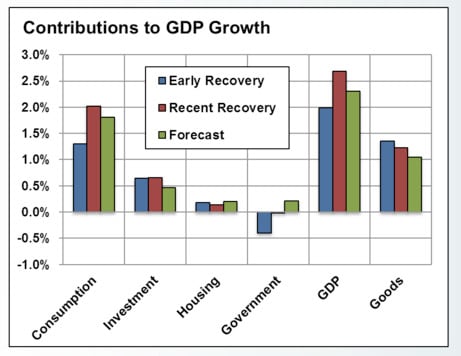
Early this year, after five months of over 3% economic growth, he felt we were finally in a more robust stage of recovery after limping along at around 2% growth since the end of the Great Recession.
Then came the severe winter weather. Then came a downward revision of those rosy 2014 second-half numbers. Add that and the additional three most recent months of figures, he said, and you see an average of 2.2% growth over the entire period of the recovery.
This, he said, is a continued trend of what some economists call “the new normal,” reflecting a different pattern from previous economic recoveries that were characterized by rapid growth.
And he forecasts that trend of slow but steady growth to continue. For the fourth quarter of 2015 he believes we’ll see about 2% growth, and expects 2016 to be a little better, averaging 2.4%.
The areas driving economic growth have shifted, he said. In the early part of the recovery it was more goods-based, but it is moving to more service-based.
The labor market, he said, will start to reach the point of what is considered “full employment,” which is around 5%, depending on which economist you talk to. WItte’s model pegs it at 4.8%, and predicts by the end of this year it will drop to 5% and by the end of 2016 to 4.9%. “So the decline in unemployment we’ve seen over the last five years pretty much ends; you’re getting to the point where you can’t drive unemployment a lot lower than it is now.”
He does not see any indications that a recession is looming. The average length of a recovery, going back to WWII, is about five years. We’re now at six years snd counting, he said, but “I don’t think right now there’s anything that indicates the likelihood of a recession.
"I think we will have something that produces a recession sometime in the next three years. But the timing of it is impossible to predict, and the nature of the recession also is impossible to predict. I don’t see a lot of imbalances in the economy right now except for the financial sector, and recessions usually occur when there’s some type of imbalance we need to correct.”
However, there are always what economists call “downside risks,” things that could happen to bring economic activity worse than forecast. With cited the international situation, particularly what happens as China’s economy slows; regulatory over-reach; and the Fed’s monetary policy.
Witte believes there are shortcomings in our current understanding of macro economics as it relates to the Federal Reserve’s monetary policy.
“We have a lot of experience now with central banks holding rates at very low levels,” he said, including Japan, which has been doing this for some time. In both Japan and the U.S., he said, economic growth has been subpar.
“Current economic theory ays low interest rates should stimulate the economy, and it’s just not working. There’s something about our [economic] models that the real world is telling us is wrong. I don’t know what the correct model is, but the current ones are inadequate.”
As a result, he said, the financial sector has become imbalanced, distorted. Imbalances, he said, will eventually correct. “That means when the Fed does change policies, the results are highly unpredictable.”
More Fleet Management

What the U.S.-Canada Trade War Means for Trucking
Escalating U.S.-Canada tariffs could disrupt cross-border freight, reduce truck volumes, raise costs, and create new uncertainty for carriers on both sides of the border.
Read More →
What Are Trucking’s Top Concerns for 2026?
The American Transportation Research Institute wants to know what's worrying trucking fleet managers, drivers, and other stakeholders in its annual Industry Issues survey.
Read More →
American Trucking Associations Looks for a New Leader
ATA President and CEO Chris Spear abruptly left his job at the association on August 21, at a pivotal time for the trucking industry.
Read More →
Public Wi-Fi Cybersecurity Risks: How Truck Drivers and Fleets Can Protect Their Data
Public Wi-Fi can expose truck drivers and fleets to credential theft, malware, and other cyber threats. Here’s how to reduce the risk on the road.
Read More →
For Nicky Cupp, Fleet Innovation Starts With Frustration
HDT Truck Fleet Innovator Nicky Cupp turns everyday pain points at Fraley & Schilling into opportunities for better technology and smarter processes.
Read More →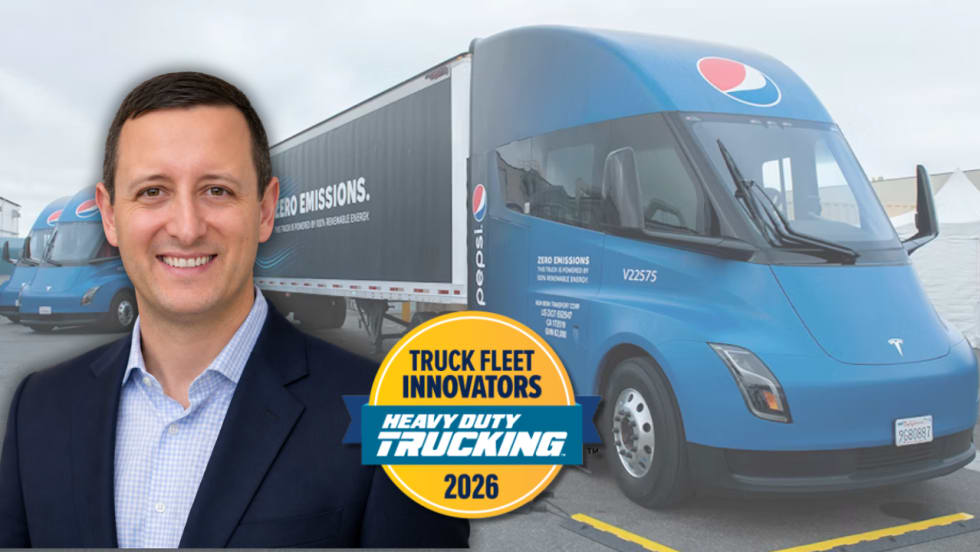
Adam Buttgenbach’s Approach to Electric Trucks: Start With Where They Fit
HDT Truck Fleet Innovator Adam Buttgenbach helped PepsiCo build one of North America’s largest EV fleets by focusing on where electric trucks make operational sense.
Read More →
Deen Albert: Let Automation Do the Math, People Make the Decisions
HDT Truck Fleet Innovator Deen Albert makes sure people are still at the heart of operations at Grand Island Express, even while adopting artificial intelligence tools. AI-assisted dispatch helped boost revenue 25% with the same number of trucks.
Read More →
Trimble’s New AI Agent Takes Aim at Fleet Back-Office Busywork
Arc Agent works across Trimble TMS products to automate repetitive tasks such as freight orders, maintenance, invoices, fuel costs and more.
Read More →
How HDT’s 2026 Truck Fleet Innovators Are Rethinking Fleet Operations
Meet five trucking leaders who are challenging assumptions, solving operational problems, and putting innovative ideas to work.
Read More →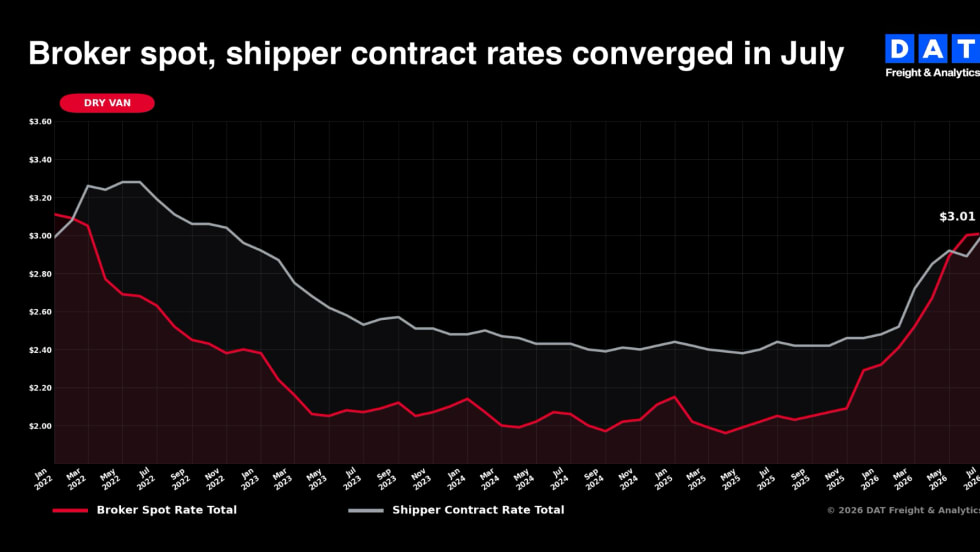
Tight Trucking Capacity Pushes Rates Higher Even as Freight Volumes Fall
“Spot rates moving ahead of contract rates have historically signaled a tightening market, but we haven’t seen a capacity-driven market quite like this one,” said DAT's Dean Croke.
Read More →