




Seven Truck Fleets Sign on for Run on Less MPG Roadshow
Seven U.S. truck fleets— together accounting for nearly 11,000 tractors and 26,000 trailers-- have signed on to have one of their trucks and drivers participate in Run on Less, a new cross-country “roadshow” aimed at showcasing advancements in fuel efficiency.
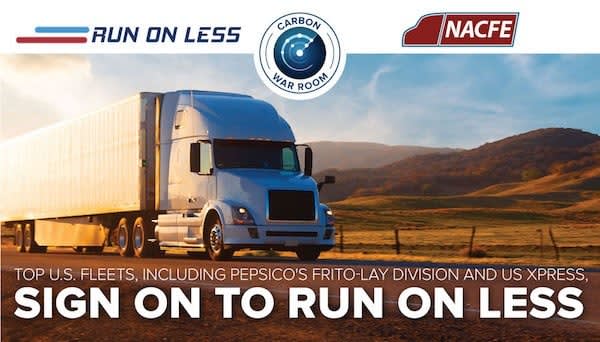
Image via RunOnLess.com
Image via RunOnLess.com
Seven U.S. truck fleets— together accounting for nearly 11,000 tractors and 26,000 trailers-- have signed on to have one of their trucks and drivers participate in Run on Less, a new cross-country “roadshow” aimed at showcasing advancements in fuel efficiency.
Run on Less is a three-week event that will kick off from multiple points across the U.S. and wrap up during the inaugural North American Commercial Vehicle Show, which will run from September 25 to 28 in Atlanta.
Results, including fuel economy, freight efficiency, and dollars and carbon saved, will be tracked and reported during Run on Less via www.runonless.com.
At the close of the run in Atlanta, final MPG results will be announced, and drivers will showcase their equipment and share fuel economy learnings and best practices with show attendees.
The event is being organized by the North American Council for Freight Efficiency and Carbon War Room’s Trucking Efficiency Operation. Shell and PepsiCo have stepped up as the title sponsors. Geotab is the event sponsor and will install its devices in the competing trucks participating in Run on Less to measure fuel usage, idle time, cruise control usage, and more. Pilot Flying J is donating $1,000 in fuel to each participating fleet. In addition, nearly two dozen other companies, including Heavy Duty Trucking, are serving as supporting sponsors.
“The fleets represent myriad companies hauling goods across North America,” said Mike Roeth, executive director of the North American Council for Freight Efficiency. “They include a private fleet, Frito-Lay, running dedicated routes, some running only for-hire irregular routes and others with a combination of both.”
These seven fleets have signed on to take part in Run on Less:
Albert Transportation
Frito Lay (Pepsico)
Hirschbach
Mesilla Valley Transportation
Nussbaum Transportation
Ploger Transportation
US Xpress
Roeth said fleet size among the seven ranges from US Xpress with 7,000 trucks to three fleets with approximately 1,000 tractors to two midsize fleets and an owner-operator. The seven fleets haul a variety of loads from light and heavy to dry and refrigerated while operating across most of the U.S. and Canada, making for a good cross-section of the industry, according to Roeth.
“By participating in the event, these fleets will demonstrate how Class 8 trucks can use different technologies to achieve the best fuel economy possible,” he pointed out.
“Each fleet will fit its participating truck with its own combination of commercially available fuel-saving technologies, proving that there is more than one way to operate efficiently,” Roeth added. “They are also selecting drivers who have proven that their driving habits contribute to high fuel efficiency.”
Brent Nussbaum, CEO of Nussbaum Transportation, said the carrier is "most excited to join Run on Less because we want to demonstrate the success that can be achieved when pairing a trained and educated driver with the latest technologies in fuel efficiency."
“Regardless of the price of a gallon of diesel, fuel is one of our largest expenses,” said Royal Jones, CEO and president of Mesilla Valley Transportation. “We have made the investment in fuel-efficiency technologies to bring our fuel costs down as much as possible. Every dollar we save in fuel costs goes right to our bottom line.”
More Fleet Management
Can You Beat Our Trucking Trivia Challenge?
Test your truck knowledge with 19 trivia questions from Heavy Duty Trucking Exchange. Can you keep up with the fleet pros?
Read More →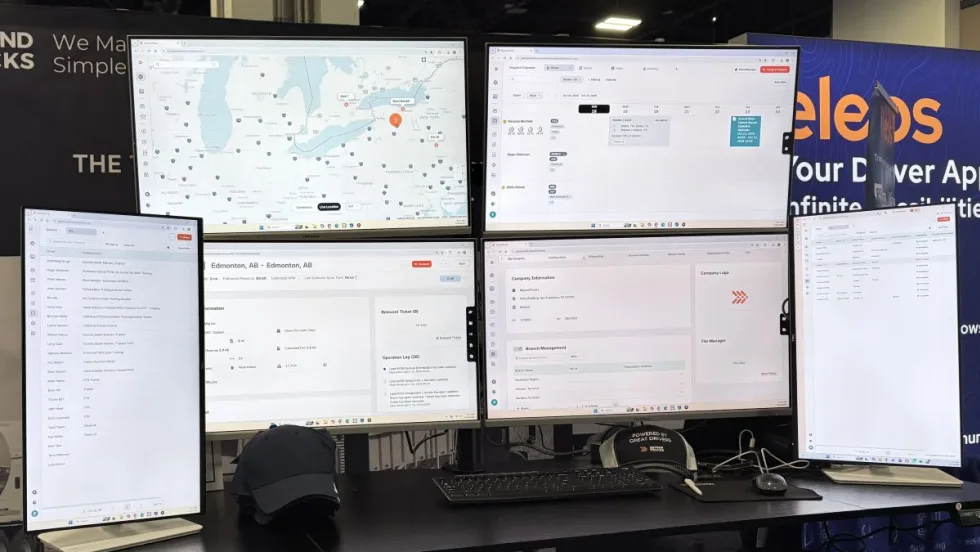
BeyondTrucks Adds Rules Checks to Dispatch
New Compatibility Engine checks driver qualifications, equipment requirements and fleet policies before loads are dispatched.
Read More →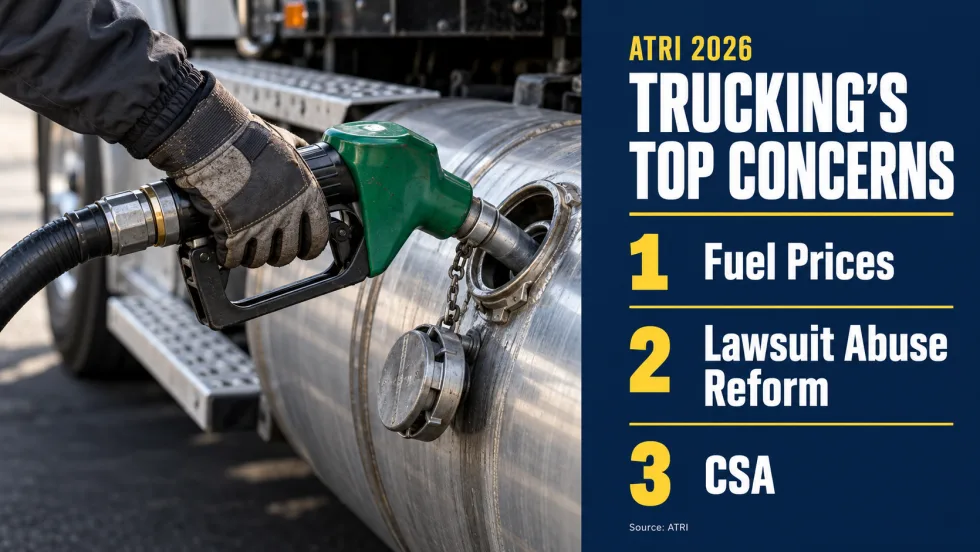
Diesel Prices Hijack Trucking’s Worry List
ATRI’s annual survey finds cautious optimism about freight, but diesel costs, litigation, and insurance continue to squeeze fleets. Drivers have different priorities on several issues.
Read More →
Nomination Deadline Extended for HDT Emerging Leaders
Just a few more days to nominate accomplished trucking fleet professionals under 40 who are making an impact and helping lead the industry forward for the HDT Emerging Leaders award. Deadline extended to October 20!
Read More →
What Will ATA’s New Leader Bring to Trucking's Table?
Incoming President and CEO Mark Colson’s record in Alabama offers clues about his priorities and approach following Chris Spear’s abrupt departure as the head of the American Trucking Associations.
Read More →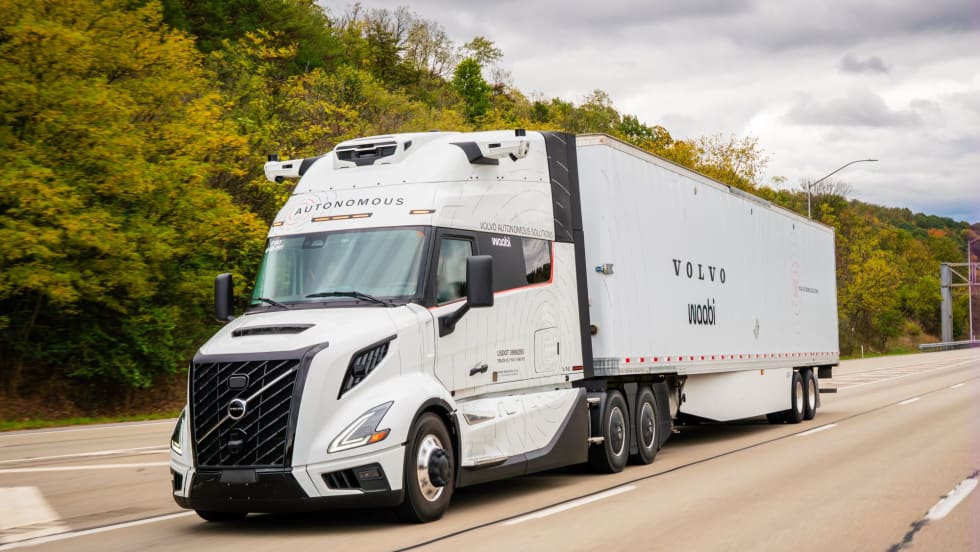
Volvo, Waabi Start Commercial Autonomous Operations in Texas
Volvo VNL Autonomous trucks, powered by the Waabi Driver, are hauling freight directly to third-party facilities for a customer in Texas.
Read More →
Samsara Launches Custom AI Agent Builder
Agent Studio lets fleets create AI tools for hours-of-service monitoring, reporting and driver support, including agents that communicate by phone.
Read More →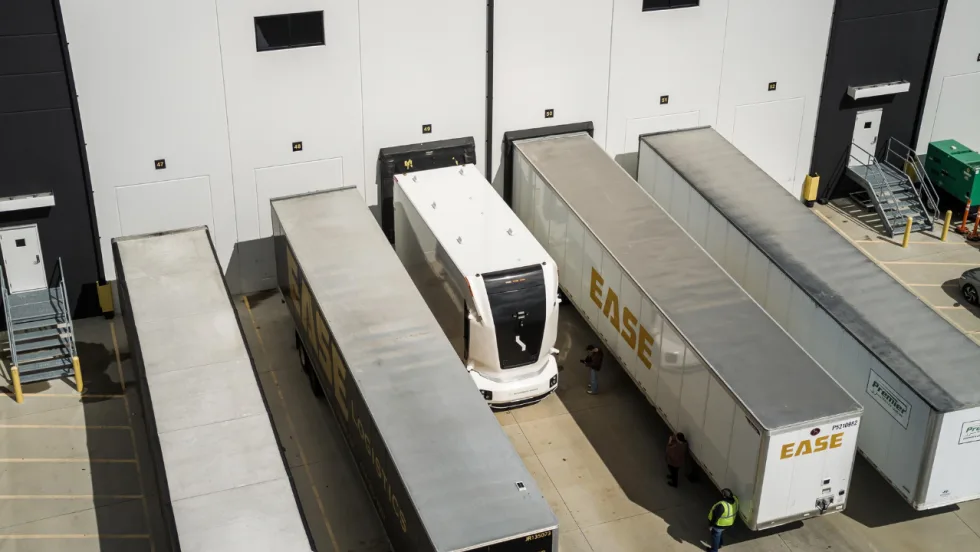
Einride Driverless Electric Trucks Begin Daily Freight Operations in Ohio
Two cabless electric trucks are hauling freight between EASE Logistics facilities in Marysville, Ohio, as part of a multi-state truck automation project.
Read More →
Geotab Links Fleet Card to Vehicle Data
The new card combines fuel discounts with telematics-based purchase controls. Geotab’s analysis also points to potential savings from choosing lower-priced fuel stops.
Read More →
How MFA Helps Protect Trucking Fleets
Multi-factor authentication adds protection when passwords are stolen. Here’s how it works and where fleets should start.
Read More →