




Seven-Month Decline in Travel Reflected in Highway Trust Fund
New data showing further declines in the number of miles Americans are driving is proof that the country needs means, other than the gas tax, to finance the nation's transportation infrastructure, according to the U.S. Department of Transportation.
New data showing further declines in the number of miles Americans are driving is proof that the country needs means, other than the gas tax, to finance the nation's transportation infrastructure, according to the U.S. Department of Transportation.
Americans drove 9.6 billion fewer vehicle-miles traveled (VMT) in May 2008 than in May 2007, according to the Federal Highway Administration data. This is the largest drop in VMT for any May, which typically reflects increased traffic due to Memorial Day vacations and the beginning of summer, and is the third-largest monthly drop in the 66 years such data have been recorded. Three of the largest single-month declines - each topping 9 billion miles - have occurred since December.
VMT on all public roads for May 2008 fell 3.7 percent as compared with May 2007 travel, marking a decline of 29.8 billion miles traveled in the first five months of 2008 than the same period a year earlier. This continues a seven-month trend that amounts to 40.5 billion fewer miles traveled between November 2007 and May 2008 than the same period a year before, she said.
"By driving less and using more fuel-efficient vehicles, Americans are showing us that the highways of tomorrow cannot be supported solely by the federal gas tax," said U.S. Secretary of Transportation Mary E. Peters. "We must embrace more sustainable funding sources for highways and bridges through more sustainable and effective ways such as congestion pricing and private activity bonds."
As Americans drive less and rely increasingly on mass transit, carpooling or other options, the federal Highway Trust Fund receives less revenue from gasoline and diesel sales, 18.4 cents per gallon and 24.4 cents per gallon, respectively.
"Less driving means less money for the Highway Trust Fund," said Acting Federal Highway Administrator Jim Ray. "The status quo cannot and will not work in the 21st century."
More Drivers
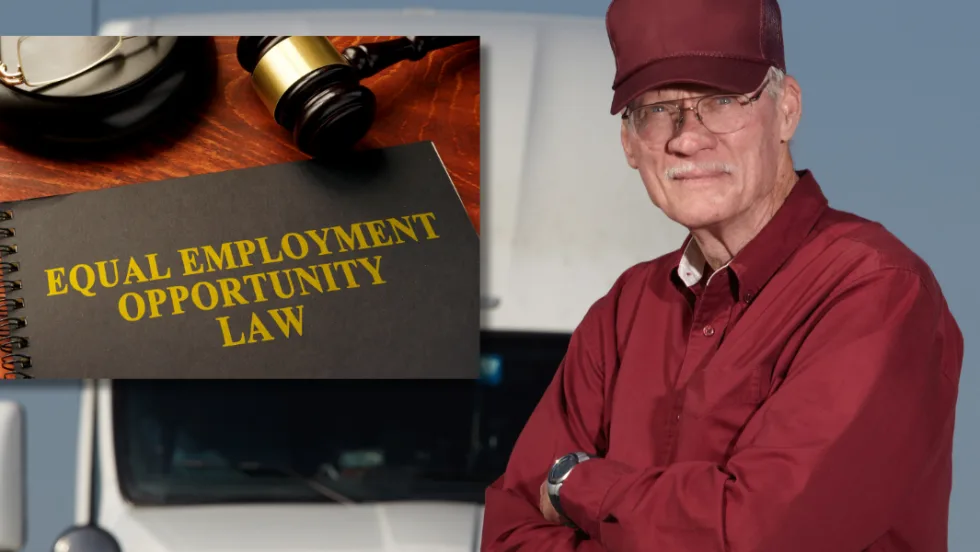
EEOC Sues Texas Trucking Company Over Driver Age Limits
The agency says Trancasa USA rejected applicants over 65 and applied tougher driving-record standards to those over 60.
Read More →
Nussbaum, Roehl Announce Second Driver Pay Increase This Year
This year has seen a swath of major truck driver pay increases as freight capacity has tightened.
Read More →
From One Generation to the Next: How Mentorship Builds Safer Truck Drivers
After three decades in trucking, Harold Perry shares what he's learned about driver safety, mentorship, and helping the next generation build confidence behind the wheel.
Read More →
Truck Drivers Need More Than Another Alert
Fleets have more visibility into truck health, safety events, and driver activity than ever. The next challenge is turning all that information into useful guidance for the person who has to decide what to do next.
Read More →
FMCSA Removes 110 Truck Driver Training Schools from Certified ELDT List
Federal regulators also are targeting more than 160 additional training providers and launching a nationwide audit of third-party CDL skills testers as part of a broader crackdown on trucking fraud.
Read More →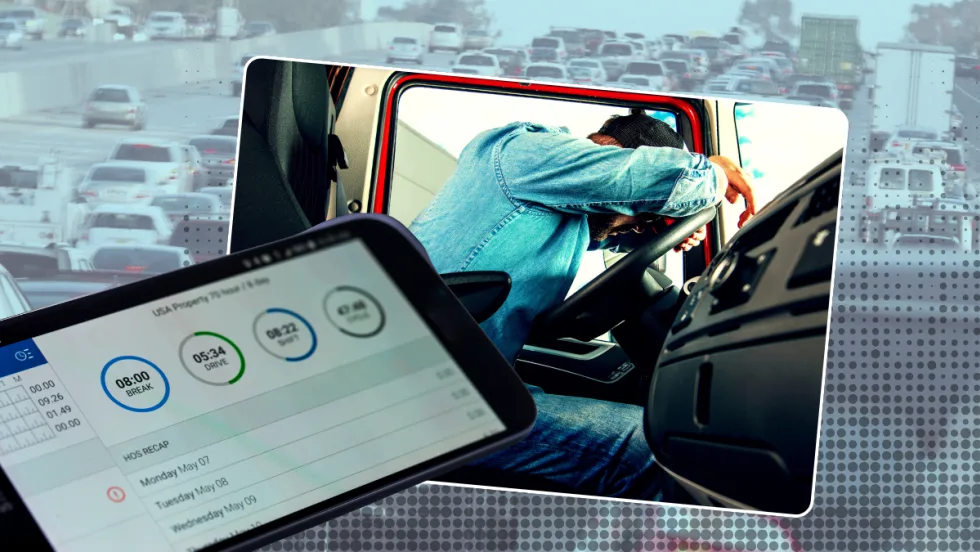
Hours of Service Pilot Programs: FMCSA Readies for 2027 Rollout
Two pilot programs could eventually reshape hours-of-service rules, giving truck drivers options to pause their 14-hour clock or use longer split sleeper rest periods.
Read More →
Medical Cards, English Proficiency Reshape Roadcheck Violations
Medical-card violations jumped to the top of the driver out-of-service list during CVSA’s 2026 International Roadcheck, while English-language proficiency violations appeared among the leading violations for the first time.
Read More →
Driver Trust Can Make or Break the Success of Fleet Safety Technology
New Teletrac Navman research suggests that onboarding, transparency about driver data, and positive feedback can play a significant role in how commercial drivers respond to safety and coaching technology.
Read More →
EEOC Sues KLLM Over Alleged Sex Discrimination in Driver Training
KLLM is facing a federal sex-discrimination lawsuit over policies the EEOC alleges put female truck driver trainees at a disadvantage.
Read More →
FMCSA Moves to Codify English Language Requirements for Commercial Drivers
By changing regulations on English-language proficiency requirements for commercial drivers, rather than relying on a guidance memo, the FMCSA said future administrations won't be able to walk back the Trump administration's stricter enforcement with just a memo.
Read More →