




Senator Looks Ahead to Infrastructure Action, Election, Lame Duck Session
One senator predicts that once we get past the mid-term elections and this fall's lame duck session, Congress will finally start seriously working on a highway reauthorization program
One senator predicts that once we get past the mid-term elections and this fall's lame duck session, Congress will finally start seriously working on a highway reauthorization program.
U.S. Sen. Jon Kyl, Republican senator from Arizona and the Republican Whip, spoke to American Trucking Associations members during this week's ATA Management Conference in Phoenix. It's typically taken a lot of time to get highway reauthorization bills passed in the past, he said, and this time is no exception.
"There are four separate committees in the Senate that have a piece of action on the bill," he said. "The finance committee didn't even have a meeting last year on the subject. Not one." There were some scheduled, he said, but they got canceled.
The Coming Battle
After Congress gets back from its election recess, Kyl predicted, they will enact some type of short-term extension of current funding that will give Congress time to work on a long-term bill. "So we're looking at sometime next year before we get started on it."
Kyl also said it's important for Congress to get this done in the first 10 months or so of the next Congress. "Otherwise it's going to become a victim of the next election cycle."
The big battle over the highway reauthorization will be how to pay for the country's needed infrastructure repairs and improvements. The current Highway Trust Fund, he said, is unsustainable -- both because the amount of fuel taxes going into it are dropping as vehicles become more fuel-efficient, and because there is too much money that is spent on projects that are not highway-related.
"I am advocate of taking a pretty sharp knife to the program in that regard," he said. "Gas tax is supposed to be a user fee; let's use it for the things it should apply to."
Quack, Quack
Meanwhile, during the lame duck session, Kyl said there are several items Congress must deal with.
One is a resolution on how to fund the government. "Not only did the Congress not pass a budget this year, we didn't pass a single appropriations bill," he said, paying for the government's expenses with a "continuing resolution" that continues funding at last year's level. "We will have to fund the remaining 10 months of the fiscal year with legislation we have to pass in December."
Another thing Congress should do, he said, is "deal with the looming tax hike." On Jan. 1, temporary tax cuts enacted during the Bush administration will expire. The Obama administration and Democrats want to extend only those provision of the code relating to the lowest three tax brackets, effectively increasing taxes on wealthier taxpayers. "Republicans argued that wasn't a good idea. You're going to kill small business, which is the engine of job creation, because most small businesses pay as individuals in those upper two brackets."
Other things that need attention during the lame duck session include a defense authorization bill and the START treaty with Russia.
"I do believe that because this election is likely to be something of a spanking for the democrats, I don't think they will be likely to bring up highly charged issues like immigration reform or cap and trade."
The Election
Kyl predicted that Republicans will likely gain control of the House of Representatives in the November elections, which will enable the House to conduct oversight over the administration that hasn't occurred in the last two years, with Democrats controlling both the House and the Oval Office. "I predict you'll see a lot of the regulatory overreach, whether it's EPA or the labor department, that you'll see a lot of that challenged by House Republicans."
While it's possible Republicans could regain a majority in the Senate, Kyl said, it's less likely than the House. And while gaining 10 seats would give the Republican party the majority, it would not give it the 60 seats that are really needed to change any laws (as the Democrats have been experiencing recently.)
More Drivers
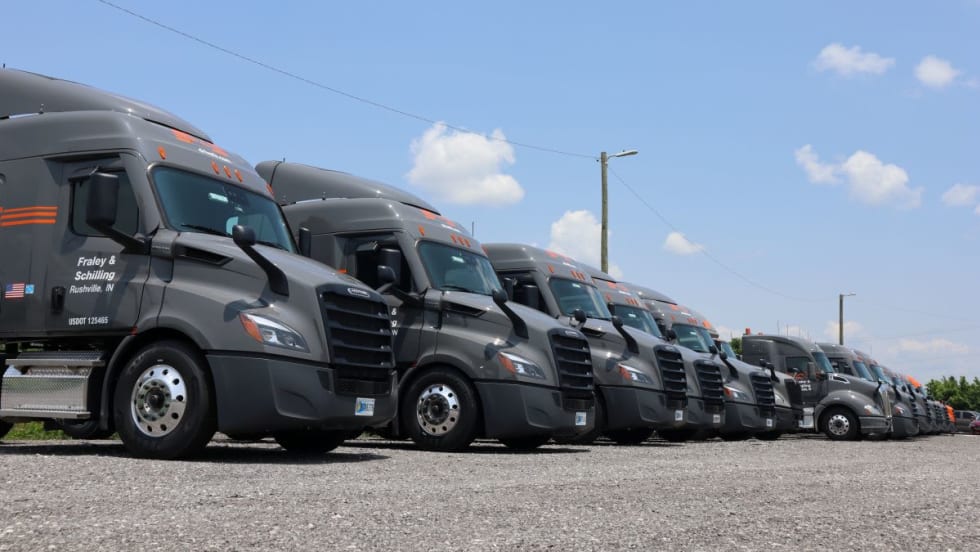
How Fraley & Schilling Improved Logbook Compliance by Over 50%
Fraley & Schilling needed a way to close a compliance workflow gap in its ELD system without adding more work from driver training, reminders, and back-office follow-ups. It found the answer in a custom driver app.
Read More →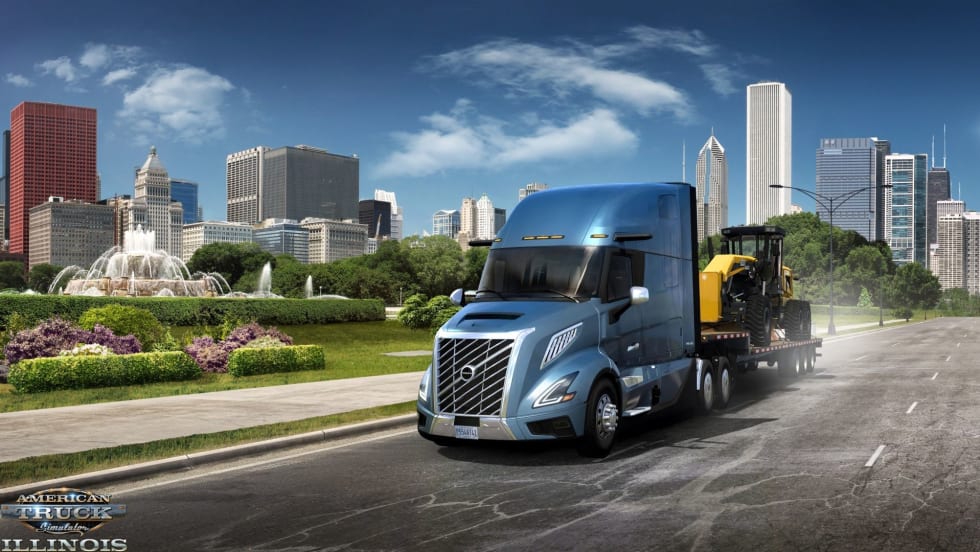
Volvo Goes Gaming
Volvo has roared into American Truck Simulator with two new flagship trucks.
Read More →
What the Best Fleets to Drive For Teach About Driver Retention
Survey fatigue, AI-powered routing, owner-operator expectations, and the decline of social media all emerged as themes from this year's Best Fleets to Drive For program.
Read More →
Driver Retention Lessons From the Best Fleets to Drive For
What separates trucking's best workplaces from the rest? Jane Jazrawy shares the biggest lessons from this year's Best Fleets to Drive For program on driver retention, communication, AI, and workforce trends on the HDT Talks Trucking podcast.
Read More →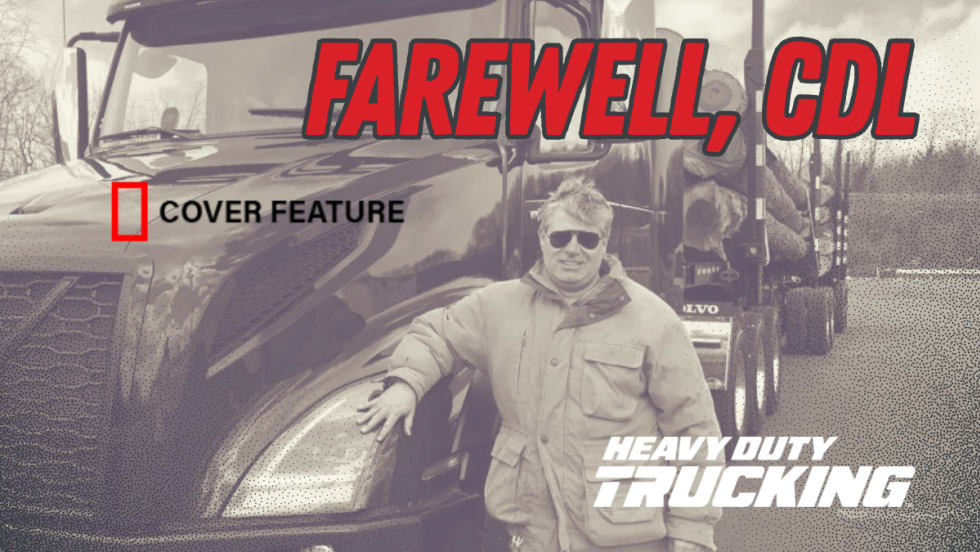
Farewell, CDL: Why I'm Giving Up My Commercial Driver's License
After more than 20 years as a CDL holder, HDT Executive Editor Jack Roberts is letting his commercial license expire. Not because he wants to — but because trucking's nuclear verdict crisis has made the risks of public-road test drives too great for editors, manufacturers, and everyone involved.
Read More →
How Top Trucking Fleets Improve Driver Retention [Video]
What do healthy snacks, optimized routing, and just picking up the phone have in common? They're all strategies the Best Fleets to Drive For are using to retain truck drivers.
Read More →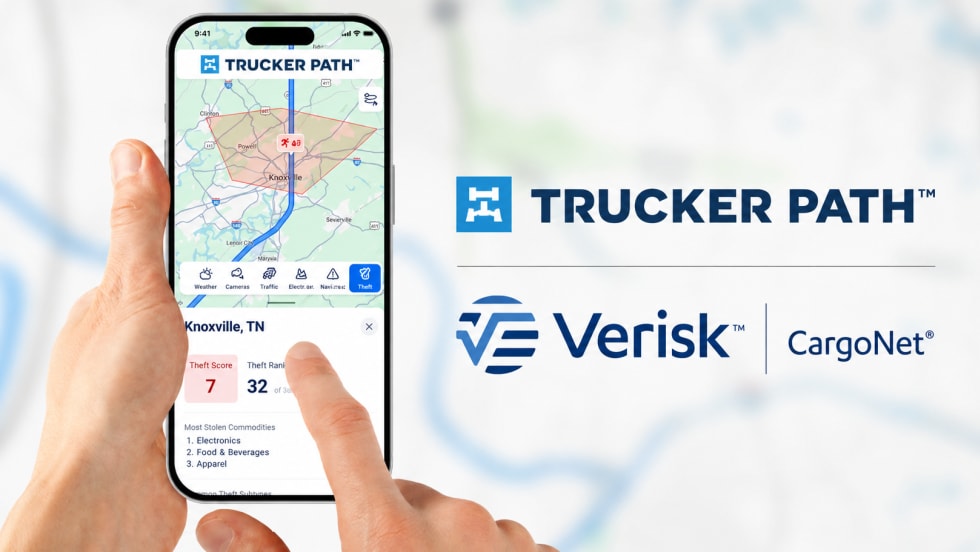
Trucker Path Adds Verisk CargoNet Theft Data to Navigation Platform
Trucker Path’s new cargo theft risk overlays give drivers and fleets visibility into high-risk areas, stolen commodity trends, and theft hotspots.
Read More →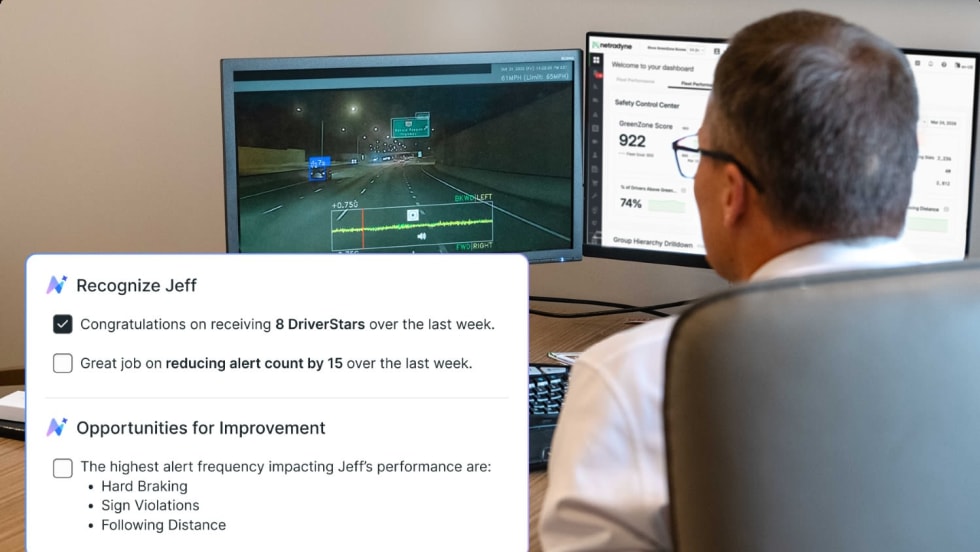
Netradyne Intelligence Uses New AI Agents to Automate Response to In-Cab Camera Data
The company called the next-generation in-cab camera safety platform "a fundamental shift from systems that report on what happened to systems that actively drive what should happen next."
Read More →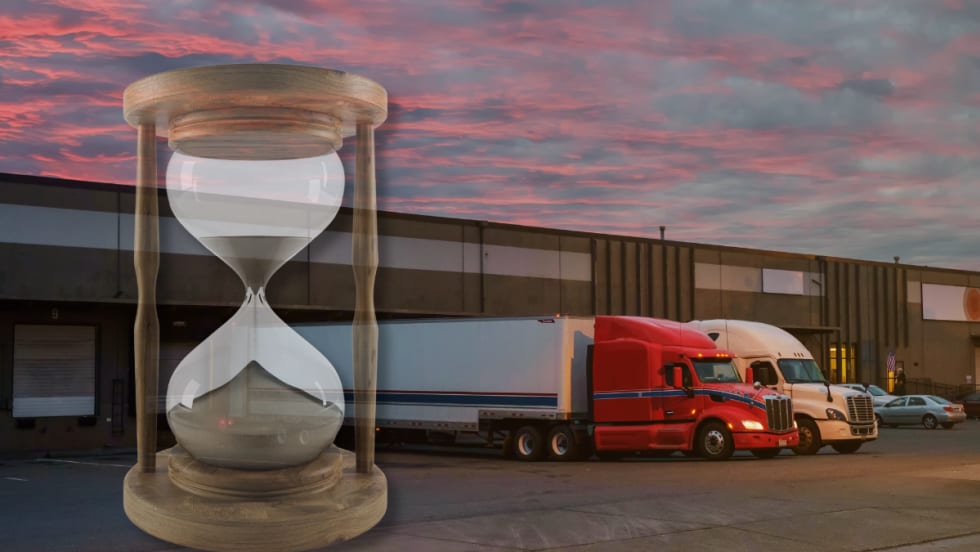
Why Truck Detention Keeps Costing Fleets Time and Money
A 2024 ATRI study found detention affects nearly 40% of truckload stops and costs the industry more than $15 billion annually. Despite the toll on drivers, fleets, and supply chains, the problem remains stubbornly persistent.
Read More →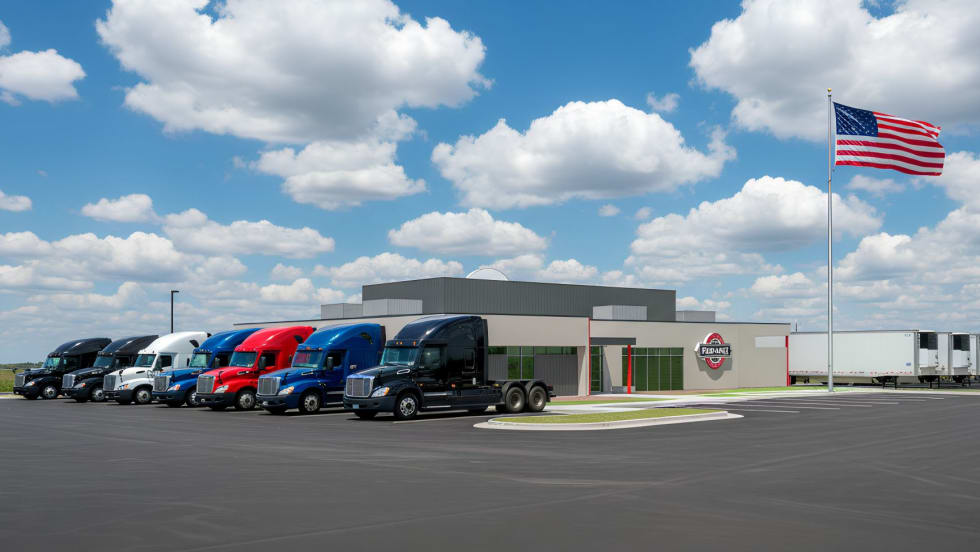
Prime Inc. to Open $7.9M Flagship Used-Truck Dealership
A new driver-focused facility to sell Prime Inc's used trucks and trailers will be the first purpose-built location in the company's history.
Read More →