




Senate Clears 2012 Transport Appropriations Measure, Including Heavier Truck Provision
The Senate yesterday approved a transportation appropriations bill that would, among other things, allow heavier trucks on Maine and Vermont Interstates, and continue funding for transportation enhancements such as bike paths
The Senate yesterday approved a transportation appropriations bill that would, among other things, allow heavier trucks on Maine and Vermont Interstates, and continue funding for transportation enhancements such as bike paths.
The measure was part of an omnibus 2012 funding bill that covers the Departments of Agriculture, Commerce and Justice, as well as Transportation. It passed by a wide margin, 69-30, and now goes to conference between the Senate and House, where changes could be made before a final version is sent to the White House for the president's signature.
If the Maine and Vermont provisions survive the conference process, those states will have an exemption from the federal 80,000-pound limit on Interstate highways, in effect allowing trucks weighing up to 100,000 pounds on those roads.
The issue is a major concern to Maine and Vermont, which have argued long and hard that this relief will let them get heavier trucks off rural roads onto the safer Interstates and improve their ability to compete in their regional economy.
During debate over the measure, the senators defeated several moves to cut money for transportation enhancements such as programs for bicycle and pedestrian paths, and beautification.
The issue will resurface nest week in a different setting. On November 9 the Senate Environment and Public Works committee will vote on a two-year highway bill that may include a provision that would give states more flexibility on how they handle enhancement funds.
More Drivers

New Independent Contractor Rule Gives Trucking More Clarity
The Labor Department is once again changing how it determines who's an independent contractor. This time, the rule includes specific examples addressing trucking safety requirements, CDLs, and lease-purchase agreements.

Catching Driver Fatigue is One Thing. What You Do Next Matters Just as Much
Fleets are getting better at detecting driver drowsiness. Few have figured out what should happen next, and that gap is where the real risk still lives.
133 ELDs Revoked as ATA Pushes Certification Reform
FMCSA just removed a record number of electronic logging devices from its registry. ATA says it's time to rethink how ELDs get approved in the first place.

CVSA Sets 2027 International Roadcheck Dates
The annual 72-hour truck inspection blitz will take place May 11–13 across North America. Here's what fleets can expect and what inspectors found during the 2026 event.

FDA Eases Path for Oral-Fluid Testing
Federal actions could advance oral-fluid drug testing for truck drivers, but lab certification delays and marijuana rescheduling questions remain.

Why Hiring Truck Drivers Is Getting Harder
Higher recruiting costs, a shrinking driver pool, and renewed pay competition are raising the stakes for fleets heading into 2027.
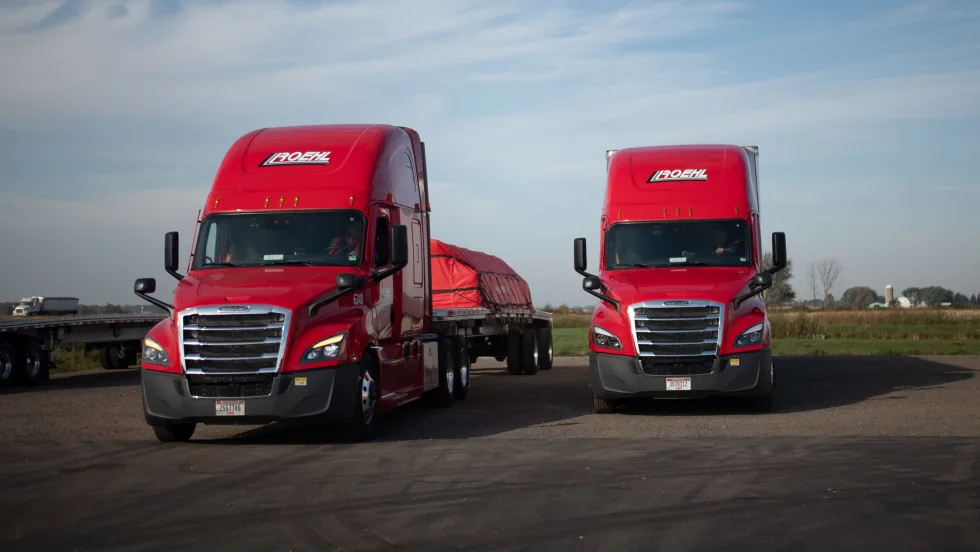
Roehl Offers Truck Drivers $10,000 Retention Incentive
Payments begin after the first load and continue in mileage-based installments for eligible experienced drivers joining the fleet.
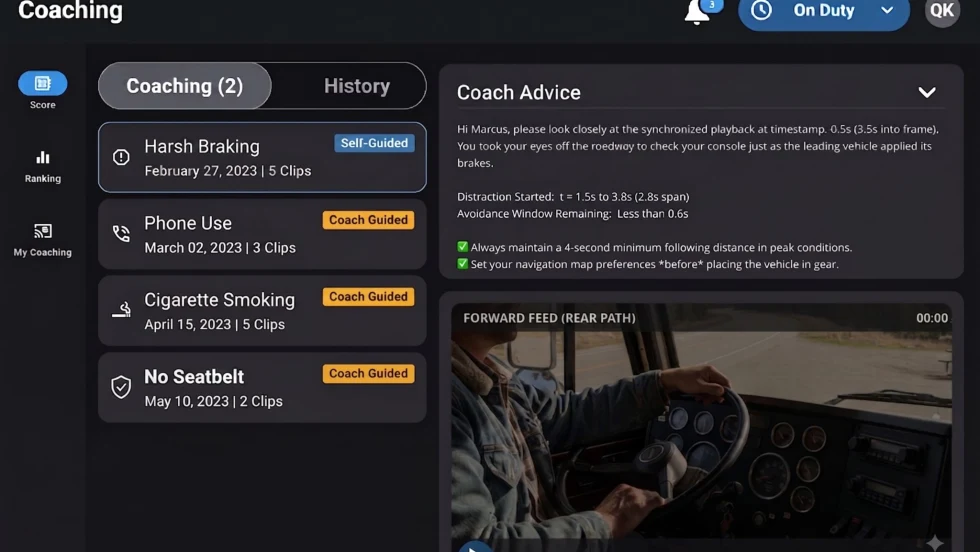
Platform Science Adds Dispatch and Safety Tools
Four additions to PS Fleet help fleets monitor loads, manage driver coaching, share truck locations and adjust video system settings.
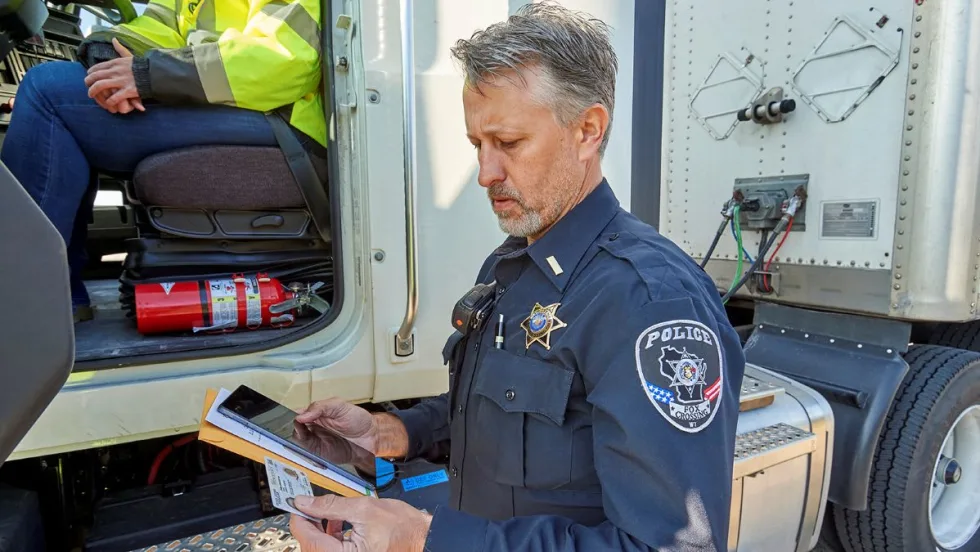
When Language Stops the Truck: The Return of ELP Out-of-Service Orders
English language proficiency rules for commercial drivers aren’t new, but renewed out-of-service enforcement has raised the stakes. Here’s what carriers need to know before a driver reaches a roadside inspection.

Samsara Launches Custom AI Agent Builder
Agent Studio lets fleets create AI tools for hours-of-service monitoring, reporting and driver support, including agents that communicate by phone.