




Senate Bill Attacks OPEC
U.S. Senators Herb Kohl (D-Wis.) and Mike DeWine (R-Ohio) have introduced legislation to allow the U.S. government to take action against the Organization of Petroleum Exporting Countries
U.S. Senators Herb Kohl (D-Wis.) and Mike DeWine (R-Ohio) have introduced legislation to allow the U.S. government to take action against the Organization of Petroleum Exporting Countries.
Kohl and DeWine lead the Senate Subcommittee on Antitrust, Business Rights and Competition. The bill, the No Oil Producing and Exporting Cartels Act (NOPEC), would allow the U.S. Department of Justice and the Federal Trade Commission to bring actions against foreign states - such as OPEC members - for collusive practices in setting the price or production of petroleum products.
According to DeWine, a report from the FTC on gas prices "shows that the system for producing gas and oil in this country leaves no room for error….As long as OPEC is allowed to control the world's energy supply, we are guaranteed to have more and more of those supply shocks, and therefore more and more problems for American consumers."
A federal district court found OPEC's actions are protected from prosecution under the Federal Sovereign Immunities Act, which allows prosecution of foreign governments when they are engaged in commercial activity, but prohibits prosecution if those states are engaged in governmental activity. The court ruled that OPEC's activities fell under governmental activity rather than commercial. The NOPEC bill introduced by Kohl and DeWine would exempt price fixing and other anti-competitive behavior affecting the pricing, production and distribution of petroleum products from FSIA.
OPEC Secretary General Ali Rodriguez called the proposed bill "absurd."
"To judge an organization - whose members are sovereign states and act to defend their common interests - as a simple commercial entity is an absurdity that violates the most basic legal principles," he said in a statement.
OPEC officials also took issue with an Alabama judge's order that OPEC stop controlling crude oil production.
Carl and Debbie Prewitt, gas station owners in Birmingham, Ala., filed a lawsuit against OPEC last year, arguing that the organization had illegally limited oil production to send prices higher. The case was certified as a nationwide class-action lawsuit. When OPEC did not respond to the suit, the judge granted all the Prewitt's requests in a March ruling, barring OPEC from doing virtually anything to set or enforce production quotas.
Venezuelan Oil Minister Alvaro Silva said the ruling is "an action that makes no sense, and [is] absolutely contrary to law."
Jonathan Berck, who specializes in international law at the University of Alabama, told the Associated Press that a U.S. Court doesn't have any power to tell OPEC what to do.
More Drivers
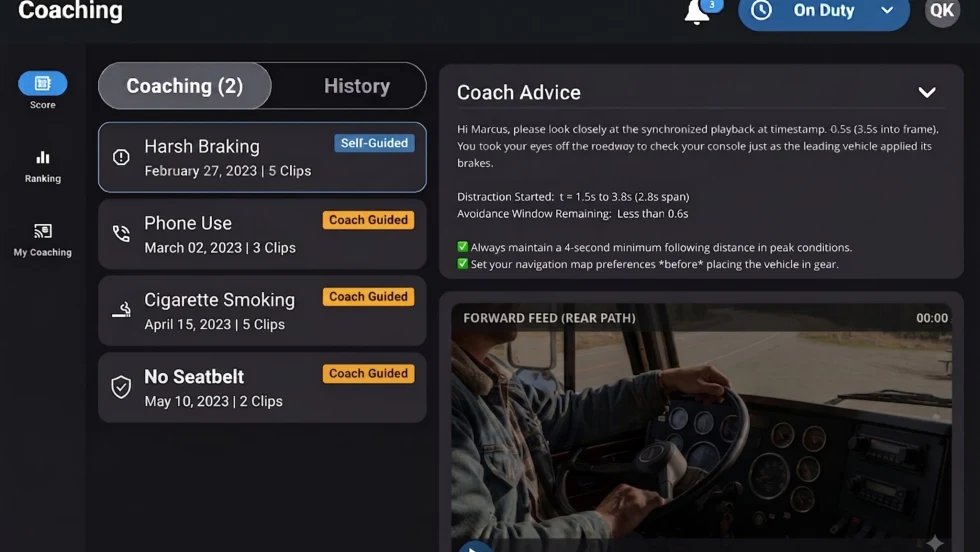
Platform Science Adds Dispatch and Safety Tools
Four additions to PS Fleet help fleets monitor loads, manage driver coaching, share truck locations and adjust video system settings.
Read More →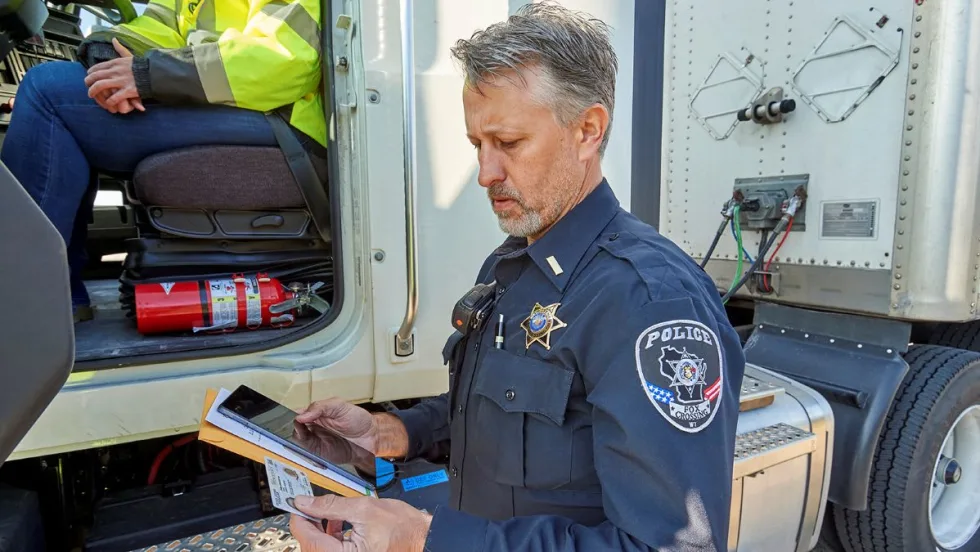
When Language Stops the Truck: The Return of ELP Out-of-Service Orders
English language proficiency rules for commercial drivers aren’t new, but renewed out-of-service enforcement has raised the stakes. Here’s what carriers need to know before a driver reaches a roadside inspection.
Read More →
Samsara Launches Custom AI Agent Builder
Agent Studio lets fleets create AI tools for hours-of-service monitoring, reporting and driver support, including agents that communicate by phone.
Read More →
Trucker Path Expands Reserved Parking Network
Trucker Path has added close to 6,000 more truck parking spaces to its Trucker Path Reserved Parking Network with the addition of Safe Truck Parking.
Read More →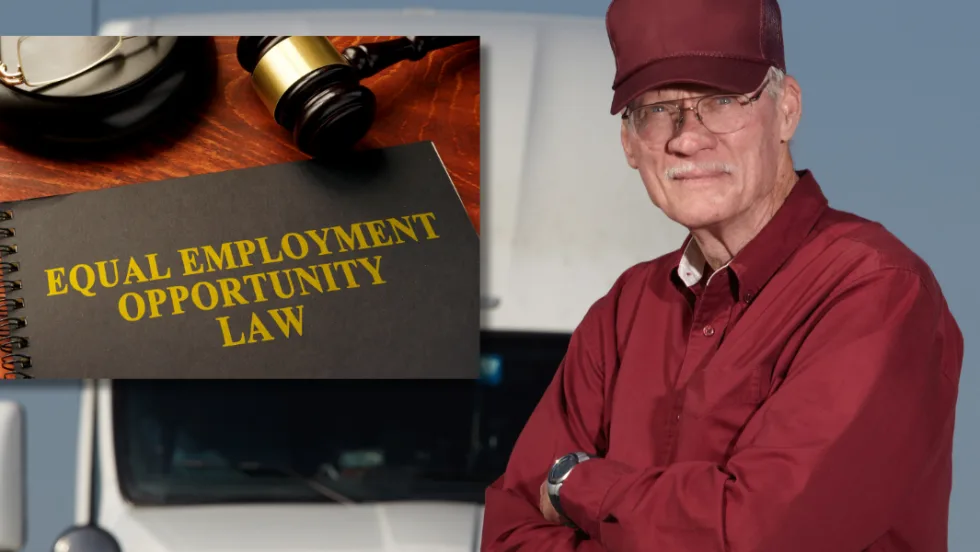
EEOC Sues Texas Trucking Company Over Driver Age Limits
The agency says Trancasa USA rejected applicants over 65 and applied tougher driving-record standards to those over 60.
Read More →
Nussbaum, Roehl Announce Second Driver Pay Increase This Year
This year has seen a swath of major truck driver pay increases as freight capacity has tightened.
Read More →
From One Generation to the Next: How Mentorship Builds Safer Truck Drivers
After three decades in trucking, Harold Perry shares what he's learned about driver safety, mentorship, and helping the next generation build confidence behind the wheel.
Read More →
Truck Drivers Need More Than Another Alert
Fleets have more visibility into truck health, safety events, and driver activity than ever. The next challenge is turning all that information into useful guidance for the person who has to decide what to do next.
Read More →
FMCSA Removes 110 Truck Driver Training Schools from Certified ELDT List
Federal regulators also are targeting more than 160 additional training providers and launching a nationwide audit of third-party CDL skills testers as part of a broader crackdown on trucking fraud.
Read More →
Hours of Service Pilot Programs: FMCSA Readies for 2027 Rollout
Two pilot programs could eventually reshape hours-of-service rules, giving truck drivers options to pause their 14-hour clock or use longer split sleeper rest periods.
Read More →