




Related: CARB Loses Appeal in Lawsuit over Emissions Compliance
Seattle's Independent Port Drivers Get More Time to Buy Clean Trucks
The Ports of Seattle and Tacoma in Washington reached a compromise with independent truckers who threatened a walk-out over a program that would ban trucks that don’t meet 2007 emissions standards from the ports.

Steven Martinez・Web Editor
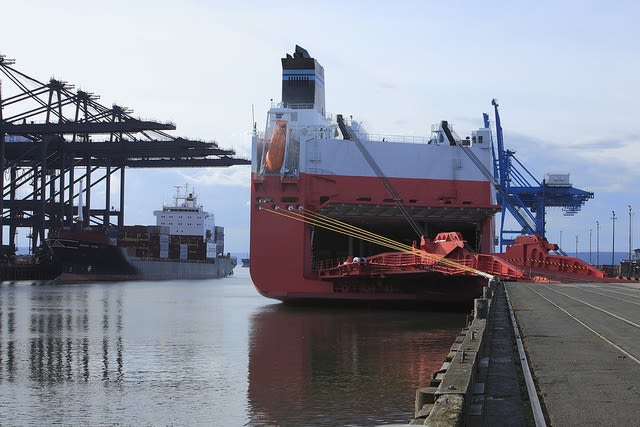
Independent truck drivers at the Port of Tacoma say that regulations requiring new, clearner trucks, are too costly for them to comply with. Photo: Port of Tacoma
4 min to read
Independent truck drivers at the Port of Tacoma say that regulations requiring new, clearner trucks, are too costly for them to comply with.Photo: Port of Tacoma
Updated – After a threatened walk-out by independent drivers who work out of the Ports of Seattle and Tacoma in Washington, port officials struck a deal with truckers over their concerns about the Clean Truck Program that would ban trucks that don’t meet 2007 emissions standards.
The deadline for the Clean Truck Program was initially Jan. 1, but after a meeting in January, the ports decided to adjust and possibly extend the deadline. Drivers have met with representatives from the Northwest Seaport Alliance, which runs the two ports, to protest the April 1 deadline. On Feb. 6 a public meeting was held to discuss how the ports could move toward clean air goals while considering all parties involved. And according to the Journal of Commerce, they reached a compromise that keeps the April 1 implementation date, but at the same time continues to grant access until the end of the year for non-compliant truckers if they are in the process of buying a clean truck.
After a previous meeting, some independent driver groups began passing out flyers and posting on social media encouraging a walkout that would threaten to shut down operations at the port, according to a report on Investigate West.
Legislators Get Involved with Enforcing Emissions Requirements
In 2007 the Ports of Seattle and Tacoma launched the Northwest Ports Clean Air Strategy as a comprehensive strategy to reduce emissions from all aspects of port operations, including trucks, ships, and rail. Through this it put into place the Clean Truck Program, creating the 2018 deadline for emissions-compliant trucks.
Adding to the pressure on both drivers and ports is proposed state legislation, HB 2601, which would force the ports to comply with the Clean Truck Program. The bill was created because state legislators felt that certain ports were not living up to their commitments to reduce emissions and improve air quality in the regions around the ports.
Whether or not this legislation moves forward may hinge on the ports coming up with concrete strategy for moving forward with the emissions rules. One proposal would have the emissions enforced through container terminal leases. As companies sign new leases, the ports would add an ammendment to the lease requiring terminals to turn away trucks that don't meet the standards.
Trucking Interests on Both Sides of Issue
"So far this has been a voluntary effort, and we all want to reduce port-related emissions," said Tara Mattina, communications director for the Port of Tacoma and the Northwest Seaport Aliiance. "We've been working on it for 10 years, so it's not like this is a surprise, but we also do understand the complexity of the issues."
On one end of the spectrum are trucking companies that spent money to comply with the standard, feeling that it is unfair to continue allowing trucks that aren't complying. At the other end are drivers who say they can't afford to invest in the new technology and weren't able to take advantage of earlier grant funding opportunities.
Independent drivers say with slim margins on loads, being required to buy a newer truck places an undue financial burden. They also say trucks with 2007-compliant engines and later are less reliable than older vehicles, adding more maintenance costs. On Facebook, a group called PierTrucker.com posted an open letter attacking the mandate, calling it unlawful and saying that the emissions regulations in general were based on non-credible studies.
According to the Seaport Alliance, only 53% of the 4,500 trucks serving the ports currently meet the 2007 emissions standards.
Not the Only Port Pursuing Cleaner Air
Similar, but far more aggressive Clean Air plans are also being implemented at the Southern California Ports of Los Angeles and Long Beach, which has caused tension with port operators. California’s plan would require all trucks working its ports to have at least model year 2014 engines, with the eventual goal of using only zero emissions vehicles by 2035.
The Harbor Trucking Association, which represents many of the stakeholders at the ports, characterized the milestones within the plan as “very ambitious” and “hard to meet.” It also stressed the need to make the changes required by the plan economically and technologically feasible for port trucking companies.
Updated 7:45 EST 2/7/2018 with information about the compromise reached Wednesday.
More Fuel Smarts

How Volvo Updated Its D13 for EPA 2027 [Watch]
Volvo’s updated D13 promises lower emissions without sacrificing performance or fuel economy. Take a closer look at what changed inside the engine in this HDT Spotlight video.
Read More →
Diesel Price Spike Shortens Payback for Natural Gas Trucks, Report Says
Energy Vision estimates fleets could recover the higher purchase price of an RNG-fueled Class 8 tractor in 1.3 to 2.8 years under current fuel-price scenarios.
Read More →
Calstart Becomes Catalyst Mobility, Reflecting Broader Focus
Calstart is now Catalyst Mobility, reflecting the nonprofit’s growing national role in clean transportation, including zero-emission trucks, infrastructure and incentive programs.
Read More →

Record Diesel Prices Squeeze Trucking Fleets
Average U.S. diesel prices have climbed to nearly $6 a gallon, surpassing the 2022 record as tight refinery capacity and Middle East disruptions keep fuel costs elevated.
Read More →
Sponsored•September 9, 2026
How Fuel Delivery Shapes Engine Performance
Fuel delivery depends on more than what happens at the injector. For fleet, maintenance and technical professionals, looking at the full path from pump to injector can provide useful context for understanding engine performance.
Read More →
East Coast Port Launches $45M Electric Truck Push
The Port Authority of New York and New Jersey announced millions in incentives for zero-emission drayage trucks, yard tractors, and new charging hubs near the port.
Read More →
California Bill Could Shed Light on Electric Truck Prices
Why do battery-electric Class 8 trucks remain so expensive? A California bill headed to Gov. Gavin Newsom would give fleets and state agencies more visibility into what manufacturers charge.
Read More →
Detroit Opens Orders for EPA 2027 Engines
Detroit isn’t starting from scratch to meet EPA 2027 diesel emissions standards. Its Gen 6 DD13 and DD15 engines keep much of today’s platform while updating the fuel and aftertreatment systems.
Read More →
Zero-Emission Truck Corridor Planned for West Coast
California, Oregon, Washington, British Columbia and Baja California are coordinating plans for truck charging and hydrogen fueling from Canada to Mexico.
Read More →
A Closer Look at Kenworth’s Electric T880E Vocational Truck [Video]
Learn more about Kenworth's T880E battery-electric vocational truck at the Paccar Technical Center, including its range, applications, upfitting considerations, and PTO options, in this HDT Spotlight video.
Read More →