




Safety Agency Proposes Mexico Rules
The Federal Motor Carrier Safety Administration is proposing new rules to ensure the safety of Mexican truck and bus companies operating in the U.S

The Federal Motor Carrier Safety Administration is proposing new rules to ensure the safety of Mexican truck and bus companies operating in the U.S.
Right now, most Mexican trucking operations are limited to municipal areas and commercial zones along the border. But under an agreement between the U.S. and Mexico, the U.S. plans to let Mexican trucks start making international deliveries throughout the country next year.
The new rules are intended to make sure that Mexican companies comply with U.S. safety regulations. They would require all Mexican companies – including those that currently operate along the border – to prove that they understand U.S. rules and are prepared to obey them. They also would require the safety agency to audit each Mexican company within 18 months of registration.
The rules, which come in a three-part package, went on display at the Federal Register this morning. They will be published on Thursday, May 3. Comments will be due early in July.
Julie Anna Cirillo, chief safety officer at the agency, said the audit is the most significant new enforcement weapon.
For one thing, it will give the agency a way to weed out careless operators. "If they don’t pass the audit, they will have a short period of time to fix the problem – or have their authority suspended or revoked."
For another, it will help the agency target specific companies for roadside inspections – the same way a Compliance Review helps the agency target U.S. carriers whose safety systems are not up to snuff.
It remains to be seen if this proposal will satisfy long-time opponents of the border opening, and proponents of free trade may find it too restrictive.
Labor unions concerned about safety and possible loss of jobs have been fighting the opening since it was negotiated in the North American Free Trade Agreement. Pressure from labor forced the Clinton administration to keep the border closed, even though NAFTA called for a phased-in opening starting in 1995.
President Bush reversed the Clinton policy early this year after Mexican complaints triggered a NAFTA arbitration panel ruling that the U.S. was in the wrong. (See "Mexican Border to Open by End of Year, 4/6/01.)
Cirillo believes that relatively few Mexican companies are interested in providing service to the U.S. interior. She said the companies she has visited see their immediate opportunities limited by the deadhead factor. They do not yet have relationships with shippers to fill their trucks for the return trip to Mexico. She predicted that most of the traffic, at least initially, will be to and from U.S. ports – particularly in California.
The safety agency does not have a good handle on the number of Mexican companies that may become involved in this traffic. While one agency database lists almost 12,000 Mexican truck and bus companies currently or formerly operating in the U.S., another places the figure closer to 4,500. A third lists some 10,000.
From these numbers, the agency estimates that it will receive anywhere between 5,000 and 15,000 applications in the first year. Cirillo said that she expects from 10,000 to 12,000 applications. She figures that about a quarter of them will seek approval for service to the interior of the U.S., and the rest will stay on the border.
Cirillo also said that Texas is going to make significant improvements in its border facilities. The legislature there has appropriated funds to build eight new state-of-the-art crossing stations, she said. She anticipates that Texas officials will gradually take over border-watching duties, freeing FMCSA staff for more targeted enforcement.
The Details
One part of the proposal creates an application for Mexican carriers that want to serve the U.S. interior. Another creates a new application for Mexican carriers that want to serve U.S. municipalities and commercial zones along the border. And the third builds on the information contained in the applications to create a safety monitoring and compliance system for Mexican companies operating anywhere in the U.S.
The application for Mexican companies that want to provide service to the U.S. interior has questions designed to test the company’s understanding of U.S. rules. It also requires the company to certify that it is in compliance with the rules covering driver qualifications, hours of service, drug and alcohol testing, vehicle condition, accident monitoring and hazmat transport. The company will have to list its safety personnel and spell out where it stores its records.
If the company does not have a "specific, unambiguous" plan to ensure compliance, its application will be rejected, the agency said.
In addition, the Mexican company will have to prove that it is registered in its own country. And, the application will remind Mexican companies that they must comply with a host of other U.S. requirements, including insurance coverage, labor laws and taxes.
The new application for Mexican companies to provide drayage services into the commercial zones along the border will contain similar questions. All companies now providing that service, as well as newcomers, will have to submit a new application.
The safety agency plans to use the information from these applications to focus its enforcement efforts. Mexican companies will face intensified roadside inspections, in addition to the safety audit within 18 months.
Cirillo said the safety audit will be less intensive than a full-fledged compliance review. She said agency staff may conduct the audit at company facilities in Mexico, or may ask the company to bring its records to border inspection facilities.
The specific procedures to be used in the audit are still being developed, but if the review finds that the company does not exercise basic safety management, its registration will be suspended. The company will have an opportunity to correct its deficiencies and win its registration back.
The agency said that if it sees serious problems, it will send a "deficiency letter" or schedule an expedited audit. The list of serious problems includes: drivers without a valid Mexican or U.S. commercial license; operating a vehicle that has been placed out of service; being involved in certain hazmat violations; using a driver who tests positive for drugs or alcohol; operating without insurance; or having an aggregate out-of-service rate of 50% based on three inspections in the preceding 90 days.
More Drivers

Competition Heating Up for Truck Drivers
New report reveals rising driver hiring costs, the return of sign-on bonuses, growing AI advantages, and the operational factors shaping driver retention.
Read More →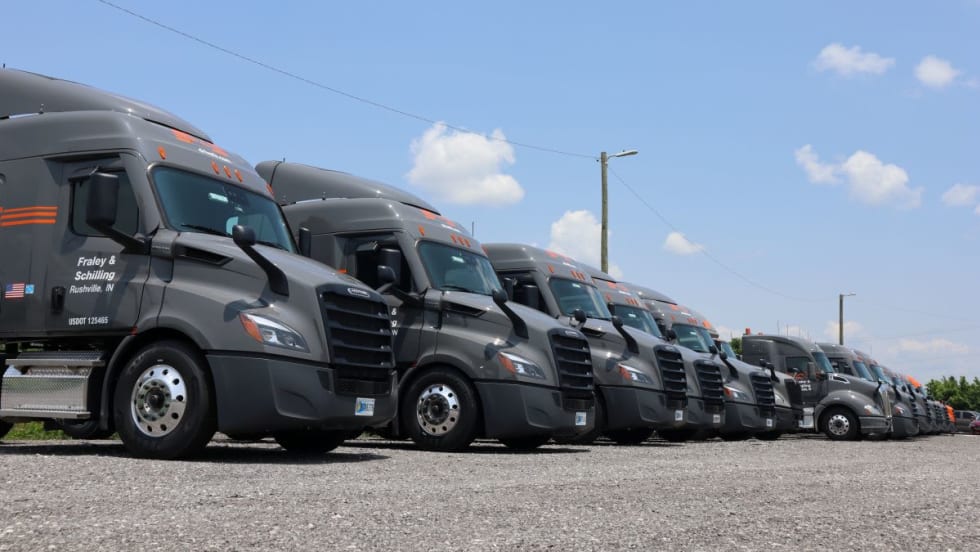
How Fraley & Schilling Improved Logbook Compliance by Over 50%
Fraley & Schilling needed a way to close a compliance workflow gap in its ELD system without adding more work from driver training, reminders, and back-office follow-ups. It found the answer in a custom driver app.
Read More →
Volvo Goes Gaming
Volvo has roared into American Truck Simulator with two new flagship trucks.
Read More →
What the Best Fleets to Drive For Teach About Driver Retention
Survey fatigue, AI-powered routing, owner-operator expectations, and the decline of social media all emerged as themes from this year's Best Fleets to Drive For program.
Read More →
Driver Retention Lessons From the Best Fleets to Drive For
What separates trucking's best workplaces from the rest? Jane Jazrawy shares the biggest lessons from this year's Best Fleets to Drive For program on driver retention, communication, AI, and workforce trends on the HDT Talks Trucking podcast.
Read More →
Farewell, CDL: Why I'm Giving Up My Commercial Driver's License
After more than 20 years as a CDL holder, HDT Executive Editor Jack Roberts is letting his commercial license expire. Not because he wants to — but because trucking's nuclear verdict crisis has made the risks of public-road test drives too great for editors, manufacturers, and everyone involved.
Read More →
How Top Trucking Fleets Improve Driver Retention [Video]
What do healthy snacks, optimized routing, and just picking up the phone have in common? They're all strategies the Best Fleets to Drive For are using to retain truck drivers.
Read More →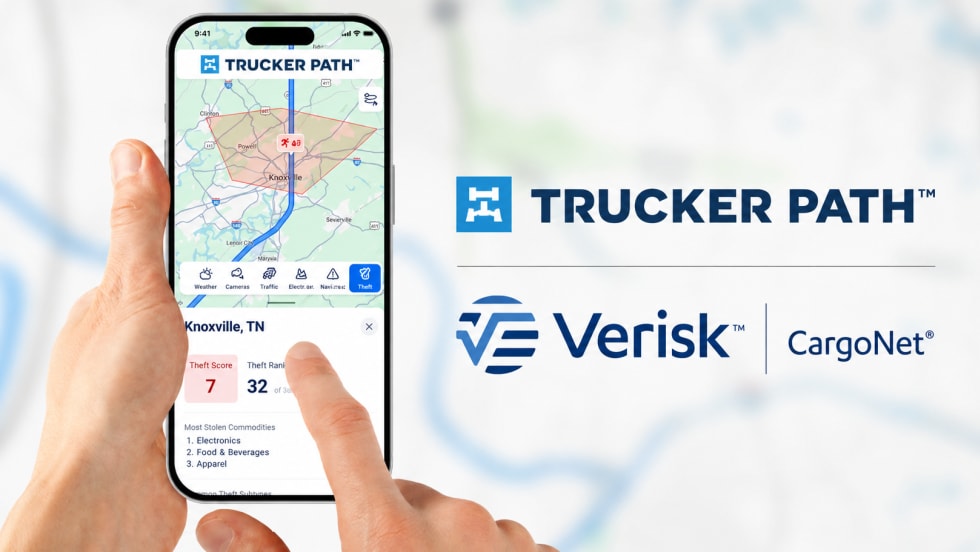
Trucker Path Adds Verisk CargoNet Theft Data to Navigation Platform
Trucker Path’s new cargo theft risk overlays give drivers and fleets visibility into high-risk areas, stolen commodity trends, and theft hotspots.
Read More →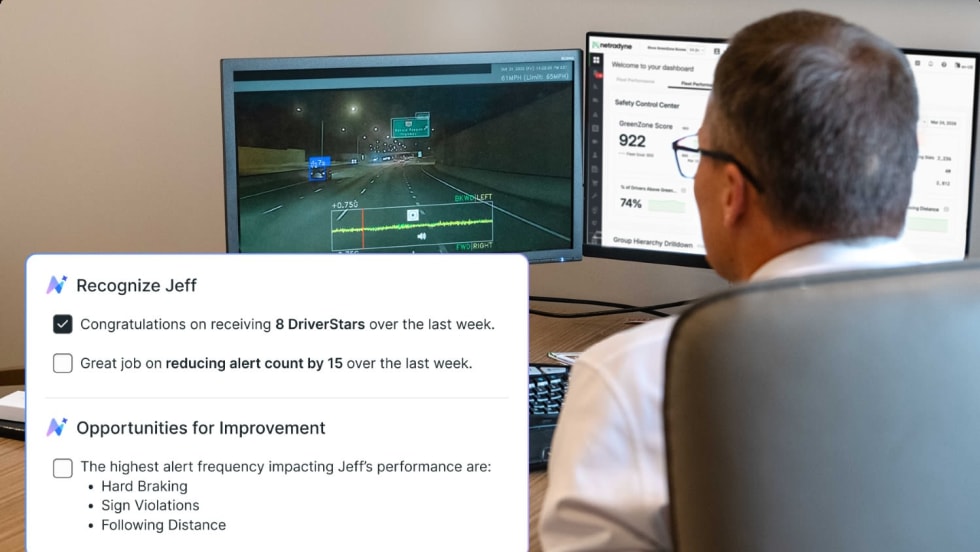
Netradyne Intelligence Uses New AI Agents to Automate Response to In-Cab Camera Data
The company called the next-generation in-cab camera safety platform "a fundamental shift from systems that report on what happened to systems that actively drive what should happen next."
Read More →
Why Truck Detention Keeps Costing Fleets Time and Money
A 2024 ATRI study found detention affects nearly 40% of truckload stops and costs the industry more than $15 billion annually. Despite the toll on drivers, fleets, and supply chains, the problem remains stubbornly persistent.
Read More →