




Safety Agency Drafts Truck Safety Plan
The government's truck safety agency is moving quickly to revitalize a regulatory program that many consider to be seriously flawed
The government's truck safety agency is moving quickly to revitalize a regulatory program that many consider to be seriously flawed.
The Office of Motor Carrier and Highway Safety is proposing a three-year safety action plan that will toughen existing truck safety regulations and accelerate rules that have been stuck in the slow lane.
Under the draft strategic plan, a copy of which has been obtained by Newport Communications, OMCHS would get a lot tougher on unsafe companies. The agency plans to refine its SafeStat system for identifying high-risk companies, develop uniform enforcement policies in each state, increase the number of compliance reviews and find new ways to identify unsafe operations — including using reports from drivers.
The draft plan outlines initiatives OMCHS wants to take in five areas: trucking companies; drivers; trucks and cargo; highways; and international borders.
Here's some of what the agency is considering:
· Tighten up communications among states, trucking companies and the agency by getting most states plugged into an integrated national information network by 2003. The network, called Commercial Vehicle Information Systems and Networks, allows different systems to exchange information and gives enforcement officials access to current safety information.
· Establish a new, online system to replace the current carrier registration system — by next year.
· Evaluate the idea of using third parties to collect safety information — by next year.
· Toughen penalties for breaking the rules by adopting the penalty provisions of the Transportation Equity Act for the 21st Century — this year.
· Expand the computer system used to link the vehicle and licensing processes of the states with federal and state enforcement programs — by 2003. The system is called Performance and Registration Information Systems Management.
· Work with everyone in the highway community, including trucking companies, to develop information systems that will help explain why crashes happen, and prevent them — by 2003.
· Reduce the number of problem drivers by helping states get quick and accurate reports on driver offenses — by 2003.
· Improve the commercial driver license by explaining the program to judges, prosecutors and police, and work on improving the CDL knowledge and skills test — by next year.
· Determine if global positioning systems are as accurate as onboard recorders for tracking driver hours of service — by 2001.
· Issue new hours-of-service regulations that will begin transformation of the current system into a performance-based program that addresses driver alertness and fitness for duty — by next year.
· Do something about providing adequate highway rest areas for drivers. OMCHS proposes holding a national Rest Area Forum this spring to outline an action plan. A final report is due to Congress by 2001.
· Develop training to encourage driver "wellness" — this year.
· Continue research on driver fatigue, focusing on work-rest cycles and crash rates by time of day — by July. Also, begin research on scheduling practices, local-driver fatigue, sleeper berths and the role of shipper demands in fatigue — by 2001.
· Accelerate research into the use of technology measuring driver alertness, as well as electronic brakes and onboard hazard warning devices — by next year.
· Develop a plan for improving CDL effectiveness — by the end of this year.
· Make international safety regulations more compatible by helping Mexico to develop and publish minimum standards, including hours-of-service rules and log books — by 2001.
· Increase enforcement and compliance at the Mexican border by adding inspection personnel and other measures — this year.
More Drivers

Trump Administration Looks to Put More Veterans Behind the Wheel
The Freedom Haulers program pulls together existing and expanded programs at several federal agencies to recruit veterans to drive commercial heavy-duty trucks and cut the red tape for them to get a CDL, training, and employment.
Read More →
Putting Mack’s Command Steer to the Test
A test drive of Mack’s Command Steer active steering system evaluates how it can make truck driving easier and less tiring.
Read More →
Competition Heating Up for Truck Drivers
New report reveals rising driver hiring costs, the return of sign-on bonuses, growing AI advantages, and the operational factors shaping driver retention.
Read More →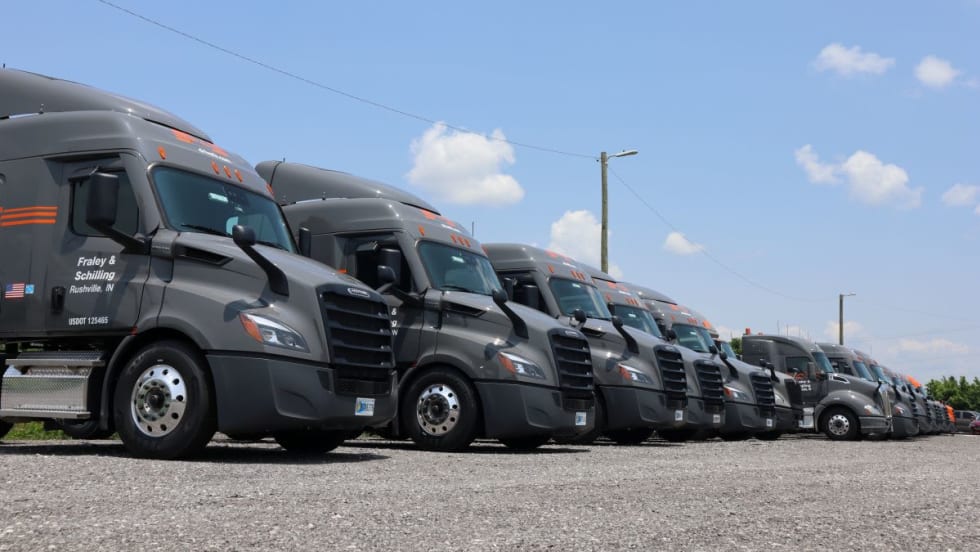
How Fraley & Schilling Improved Logbook Compliance by Over 50%
Fraley & Schilling needed a way to close a compliance workflow gap in its ELD system without adding more work from driver training, reminders, and back-office follow-ups. It found the answer in a custom driver app.
Read More →
Volvo Goes Gaming
Volvo has roared into American Truck Simulator with two new flagship trucks.
Read More →
What the Best Fleets to Drive For Teach About Driver Retention
Survey fatigue, AI-powered routing, owner-operator expectations, and the decline of social media all emerged as themes from this year's Best Fleets to Drive For program.
Read More →
Driver Retention Lessons From the Best Fleets to Drive For
What separates trucking's best workplaces from the rest? Jane Jazrawy shares the biggest lessons from this year's Best Fleets to Drive For program on driver retention, communication, AI, and workforce trends on the HDT Talks Trucking podcast.
Read More →
Farewell, CDL: Why I'm Giving Up My Commercial Driver's License
After more than 20 years as a CDL holder, HDT Executive Editor Jack Roberts is letting his commercial license expire. Not because he wants to — but because trucking's nuclear verdict crisis has made the risks of public-road test drives too great for editors, manufacturers, and everyone involved.
Read More →
How Top Trucking Fleets Improve Driver Retention [Video]
What do healthy snacks, optimized routing, and just picking up the phone have in common? They're all strategies the Best Fleets to Drive For are using to retain truck drivers.
Read More →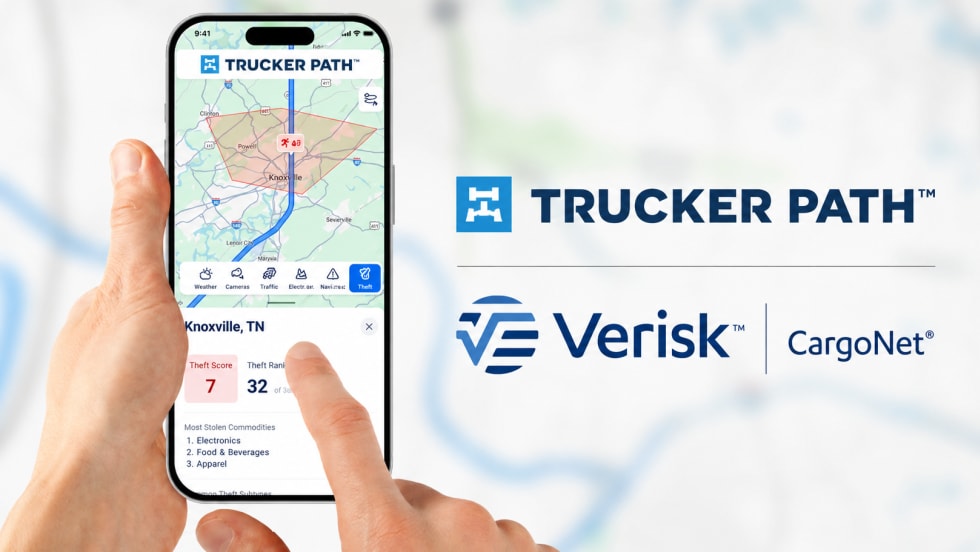
Trucker Path Adds Verisk CargoNet Theft Data to Navigation Platform
Trucker Path’s new cargo theft risk overlays give drivers and fleets visibility into high-risk areas, stolen commodity trends, and theft hotspots.
Read More →