




Roadrunner Launches Service to Canada, Portland — Largest LTL Expansion in 5 Years
Roadrunner’s new international service and other network expansion mark its most extensive new market openings in five years, according to the company, which calls itself the industry's "greatest comeback story."

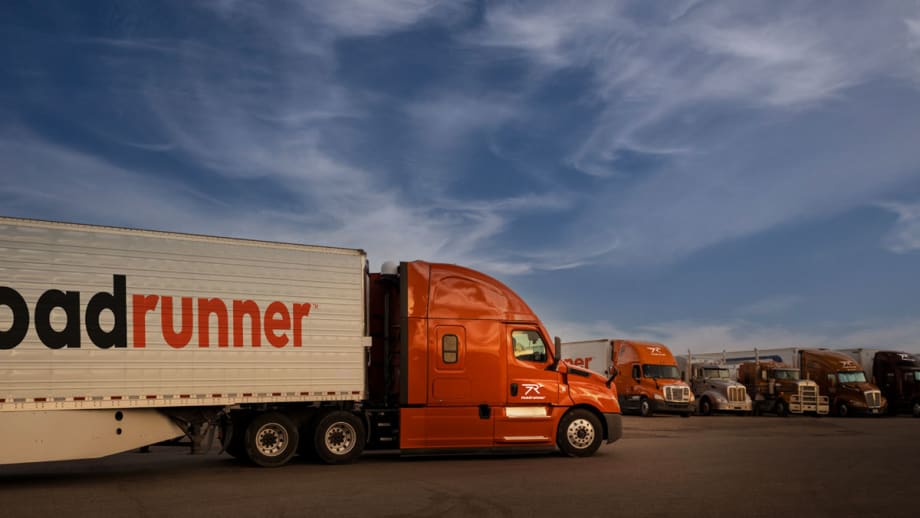
The expansion to both Portland and Canada has been a priority for Roadrunner since at least early last year.
Photo: Roadrunner
Roadrunner has launched less-than-truckload service into Portland, Oregon, as well as service to Toronto and Montreal, Canada, via Detroit. The less-than-truckload carrier also added an additional 135 lanes to its network, building upon recent new market openings in Kansas City, Denver, Richmond, and Las Vegas.
Roadrunner calls itself “transportation’s greatest comeback story.” After hitting bottom in 2017, wracked with losses and problems with the Securities and Exchange Commission, it brought in new leadership and turned to data to help it focus in on its less-than-truckload business. Last year, it started expanding its network for the first time in years.
Today, the company says, it offers more direct long-haul metro-to-metro shipping than any other nationwide LTL carrier in the United States.
Roadrunner’s new international service gives shippers ease of access to Canada’s largest metro markets. Coupled with other network expansion, it marks its most extensive new market openings in five years, according to the company.
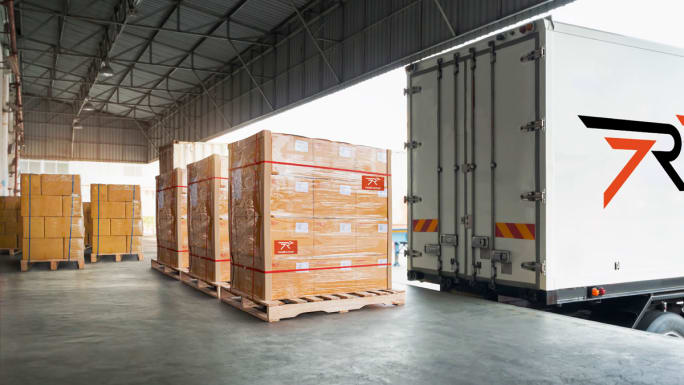
Less handling of freight than the traditional LTL hub-and-spoke model means faster transit and less damage, according to Roadrunner.
Photo: Roadrunner
Roadrunner’s new lanes include:
Dallas and Houston, Texas, to Denver
Nashville and Memphis, Tennessee, to Denver
The Northeastern U.S. to and from Nashville, Indianapolis, Louisville, and Cincinnati
Major cities in Florida to Nashville and Memphis
Service to Alaska and Hawaii with newly enhanced quote automation and improved transit times.
'Consistent Volume' Allows Network Expansion
At a time when many trucking companies have been struggling with soft freight demand, Roadrunner has seen consistent volume from its shippers, explained Chris Jamroz, executive chairman of the board and CEO of Roadrunner, so it’s moving forward with its strategic road plan to grow its network.
“Roadrunner has a unique service model of providing direct, long-haul, metro-to-metro service and offering connectivity to these areas,” he told HDT. “Now shippers have even more large metros connected via our Smart Network instead of a traditional hub and spoke model. “Since Roadrunner runs point to point, there is less handling, which means faster transit times and less opportunity for damage.”
Roadrunner uses driver teams for over-the-road moves and moves no freight via intermodal, which it says allows it to provide customers industry-leading transit times.
Its operations platform is fueled by artificial intelligence and machine learning technology for real-time tracking and visibility.
Direct routing eliminates the need for rehandles and freight handovers and hence reduces the risk of loss or damage.
Roadrunner Moving Ahead with Strategic Plan
This network growth aligns with Roadrunner’s strategy of providing premium LTL long-haul carrier service, said the company.
It’s a continuation of changes announced in 2023, including the creation of Guaranteed Service in select lanes, offering shippers on-time delivery by the promised date or a full refund of charges, and one-day service between its Southern California and Chicago locations.
“This is yet another piece of our strategic plan to grow our Smart Network,” said Phil Thalheim, director of linehaul analytics. “We constantly analyze our data to find out where it makes the most sense to add coverage. Both our algorithms and customers indicated that Canada was the next most sensible place for us to expand.”
“Roadrunner prioritizes major metropolitan areas, and Portland, Toronto, and Montreal offer shippers access to multiple millions of customers,” Jamroz said. “The expansion to both Portland and Canada has been a priority for Roadrunner since at least early last year as we worked to optimize our network to expand our map.”
Rolling out service to Toronto and Montreal is the first step in the company’s plan to open Canada and eventually Mexico, he added.
Breakthrough Carrier Award
In support of all the improvements happening at Roadrunner, GLT Logistics recently announced that Roadrunner has earned its Breakthrough Carrier of the Year Award.
“We are honored and humbled to receive this special recognition from a great partner, GLT Logistics,” said Jamroz. “Our customers are noticing our steady expansion of solutions providing direct freight connectivity over long distances with minimal or no-rehandling. Expanding our cross-border footprint constitutes yet another significant step in Roadrunner's journey.”
Roadrunner has received other service quality awards from multiple shippers, including the Elite Carrier Award from Total Quality Logistics (TQL).
More Fleet Management

Color Match Smarter: Tools That Restore & Perform
For fleet managers and collision repair professionals keeping heavy-duty trucks on the road, getting the color right the first time isn't just about appearance — it's about efficiency, turnaround time, and bottom-line results. Discover how today's digital color tools are transforming the repair process from guesswork to precision.
Read More →
FMCSA Pauses Biennial-Update Enforcement Amid Motus Transition
Carriers whose updates were due on or after June 1 have more time, while FMCSA works to stabilize its new registration system and warns of phishing sites impersonating its new carrier registration system, Motus.
Read More →
2026 Blueprint for Countering Smarter Supply Chain Theft
Cargo theft is no longer just the cost of doing business. It's a multi-billion-dollar criminal enterprise exploiting vulnerabilities across your fleet, drivers, and supply chain.
Read More →


How Telematics Improves Visibility, Control, and Performance in Refrigerated Fleets
Explore how telematics help refrigerated fleets improve visibility, uptime, efficiency, compliance, and cargo protection across connected cold chain operations.
Read More →
What the U.S.-Canada Trade War Means for Trucking
Escalating U.S.-Canada tariffs could disrupt cross-border freight, reduce truck volumes, raise costs, and create new uncertainty for carriers on both sides of the border.
Read More →
What Are Trucking’s Top Concerns for 2026?
The American Transportation Research Institute wants to know what's worrying trucking fleet managers, drivers, and other stakeholders in its annual Industry Issues survey.
Read More →
American Trucking Associations Looks for a New Leader
ATA President and CEO Chris Spear abruptly left his job at the association on August 21, at a pivotal time for the trucking industry.
Read More →
Public Wi-Fi Cybersecurity Risks: How Truck Drivers and Fleets Can Protect Their Data
Public Wi-Fi can expose truck drivers and fleets to credential theft, malware, and other cyber threats. Here’s how to reduce the risk on the road.
Read More →
For Nicky Cupp, Fleet Innovation Starts With Frustration
HDT Truck Fleet Innovator Nicky Cupp turns everyday pain points at Fraley & Schilling into opportunities for better technology and smarter processes.
Read More →
Adam Buttgenbach’s Approach to Electric Trucks: Start With Where They Fit
HDT Truck Fleet Innovator Adam Buttgenbach helped PepsiCo build one of North America’s largest EV fleets by focusing on where electric trucks make operational sense.
Read More →