




Research Group Warns Congestion Eroding Interstate System
A new report released Thursday by a national transportation research group finds that America's interstates are increasingly congested because new travel is rapidly outpacing existing capacit
A new report released Thursday by a national transportation research group finds that America's interstates are increasingly congested because new travel is rapidly outpacing existing capacity
and eroding the system's safety and economic benefits.
"The Interstate Highway System: Saving Lives, Time and Money, But Increasing Congestion Threatens Benefits," examines the current condition and future challenges of today's interstate system, 50 years to the month when President Eisenhower was inaugurated and the funding and scope of the system were being debated.
"The same transportation challenges that the president and Congress faced a half century ago -- defense (and homeland security), economic productivity, traffic congestion and safety -- exist today. And just as President Eisenhower promoted the creation of the interstates to address those challenges, now is the time for our national lawmakers to formulate a bold new transportation vision for the 21st Century," said William M. Wilkins, executive director of The Road Information Program (TRIP).
"Congress and the administration will have the opportunity this year to develop and fund a modern transportation system when it takes up the reauthorization of federal surface transportation legislation," Wilkins said. "Given the outstanding transportation needs that exist, increased funding is crucial to any successful plan of action."
While interstate pavement and bridge conditions have improved slightly over the past few years, primarily due to increased funding in recent federal surface transportation legislation, investment levels have been inadequate to deal with mounting traffic congestion.
A recent study by the American Assn. of State Highway and Transportation Officials (AASHTO) found that the current $65 billion annual highway investment will have to increase by 42% -- to $92 billion annually -- just to maintain roads and bridges in their current physical condition and to ease traffic congestion.
The AASHTO report also found that it would take nearly doubling current highway investments, to $125 billion annually, to improve significantly overall conditions of the nation's roads and bridges, including improvements in safety and a reduction in traffic congestion.
Travel on the interstate system increased by 37% between 1991 to 2001, while additional lane mileage increased by 5%, meaning that vehicle travel grew at a rate seven times higher than additional capacity was added over the last decade, according to the TRIP study.
This trend has contributed to increasing levels of traffic congestion on the interstate system, with two out of five urban interstate miles considered congested because they carry traffic at volumes that result in significant delays. The proportion of urban interstate miles that are considered congested increased from 33 to 41% from 1996 to 2001.
"As interstates become more crowded, motorists and truckers are starting to drive on other routes to avoid the congestion," Wilkins said. "Unfortunately, once you leave the interstate system your chance of being killed in a traffic accident doubles."
Interstate highways are the safest roadways in the country. The fatality rate per 100 million vehicle miles of travel on the interstate system is .81, while it is 1.74 on non-interstate routes. The interstate system saved approximately 6,235 lives in 2001, based on an estimate of the number of traffic fatalities that would have occurred if there had been no interstates.
"We know why the interstates are safer, we need to apply that know-how to improving other roads so that they are safer," Wilkins said. "It's unacceptable for anyone to lose his or her life in a traffic accident when it could have been prevented by making a safety improvement on a road or highway."
The features that make interstates so safe include: a separation from other roads and rail lines, a minimum of four-lanes, gentler curves and often paved shoulders, median barriers and rumble strips to warn drivers if they are leaving the roadway.
Congress has several options available for funding a significant boost in surface transportation funding to help tackle traffic congestion and maintain the benefits provided by our interstates.
These options include:
-- Increasing the federal 18.4 cents-per-gallon motor fuel tax.
-- Indexing the federal motor fuel tax to inflation, so that it increases at the rate of inflation.
-- Reimbursing the Federal Highway Trust Fund, for the revenue lost because of the 5.4 cents-per-gallon exemption from federal motor fuel tax for gasohol.
-- Drawing down the reserve balance in the federal Highway Trust Fund.
-- Capturing the interest on the federal Highway Trust Fund, which currently accrues to the general fund.
For further information, visit The Road Information Program web site at www.tripnet.org
More Drivers
How Top Trucking Fleets Improve Driver Retention [Video]
What do healthy snacks, optimized routing, and just picking up the phone have in common? They're all strategies the Best Fleets to Drive For are using to retain truck drivers.
Read More →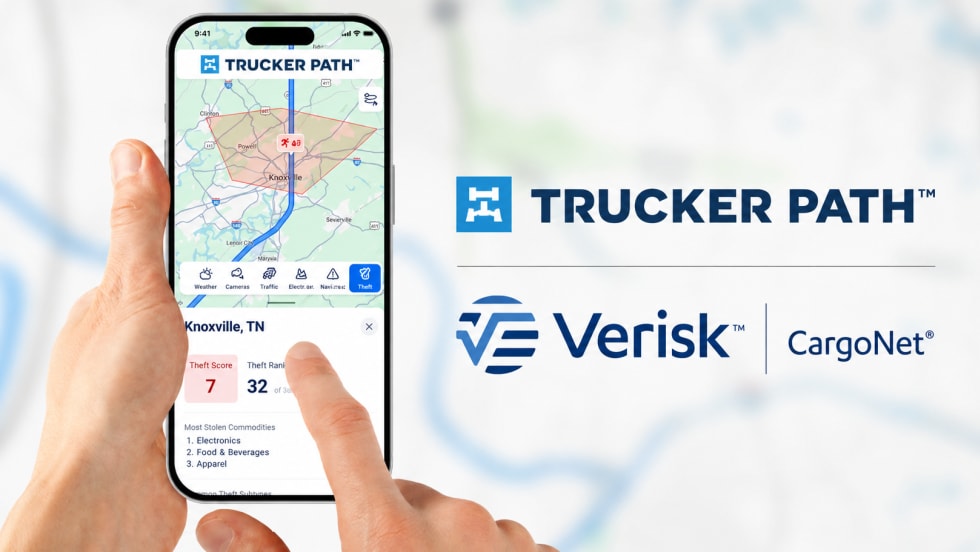
Trucker Path Adds Verisk CargoNet Theft Data to Navigation Platform
Trucker Path’s new cargo theft risk overlays give drivers and fleets visibility into high-risk areas, stolen commodity trends, and theft hotspots.
Read More →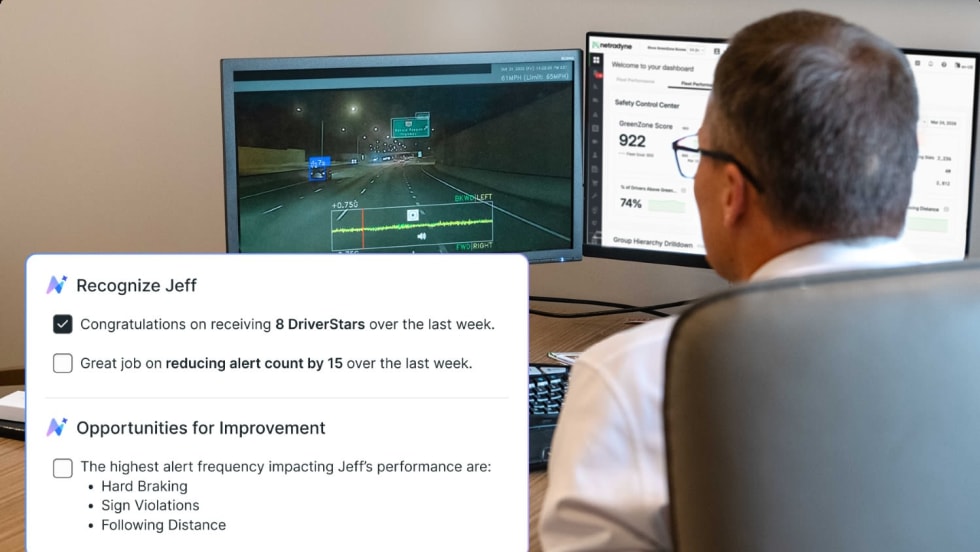
Netradyne Intelligence Uses New AI Agents to Automate Response to In-Cab Camera Data
The company called the next-generation in-cab camera safety platform "a fundamental shift from systems that report on what happened to systems that actively drive what should happen next."
Read More →
Why Truck Detention Keeps Costing Fleets Time and Money
A 2024 ATRI study found detention affects nearly 40% of truckload stops and costs the industry more than $15 billion annually. Despite the toll on drivers, fleets, and supply chains, the problem remains stubbornly persistent.
Read More →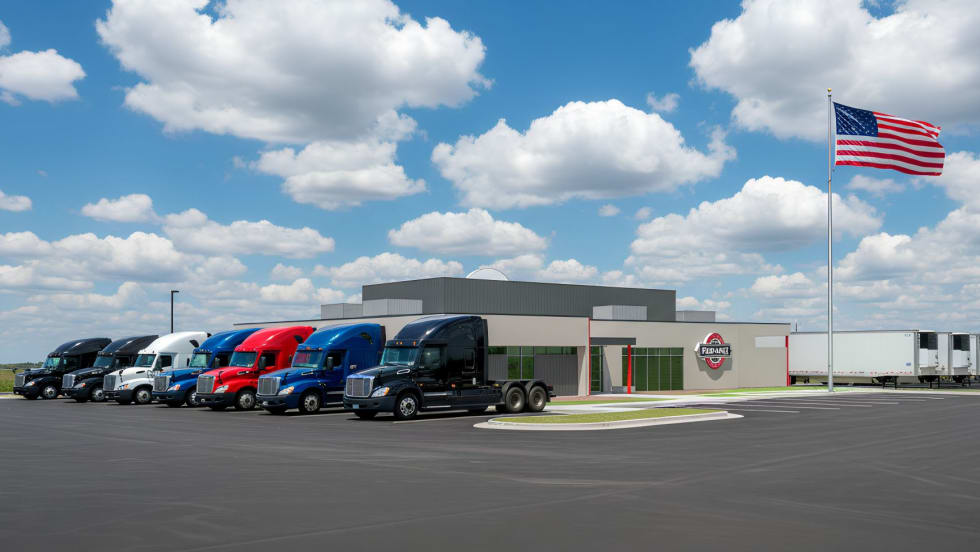
Prime Inc. to Open $7.9M Flagship Used-Truck Dealership
A new driver-focused facility to sell Prime Inc's used trucks and trailers will be the first purpose-built location in the company's history.
Read More →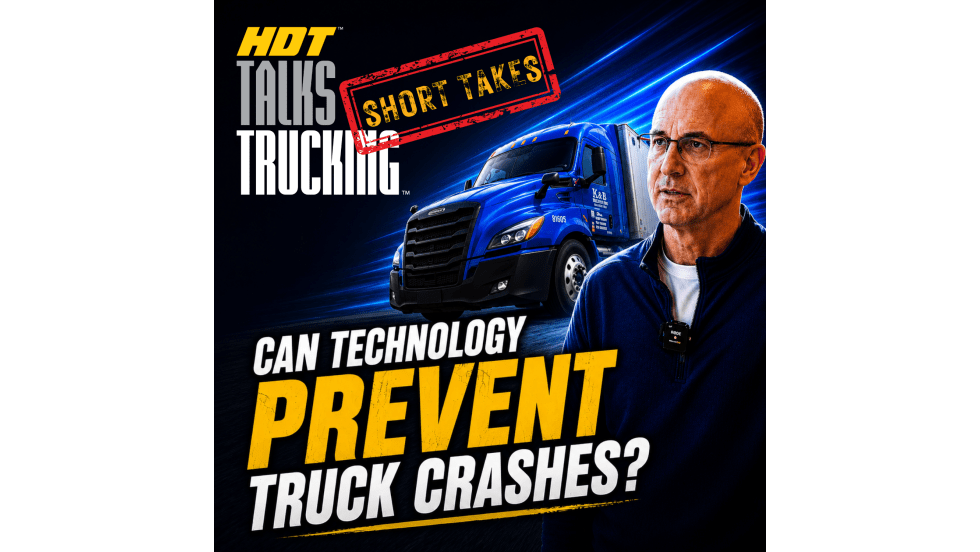
Short Takes: Inside K&B’s Truck Safety Tech
Listen to learn how K&B Transportation uses cellphone-blocking technology, speed management systems, weather geofencing, bridge avoidance tools, and more to improve driver safety.
Read More →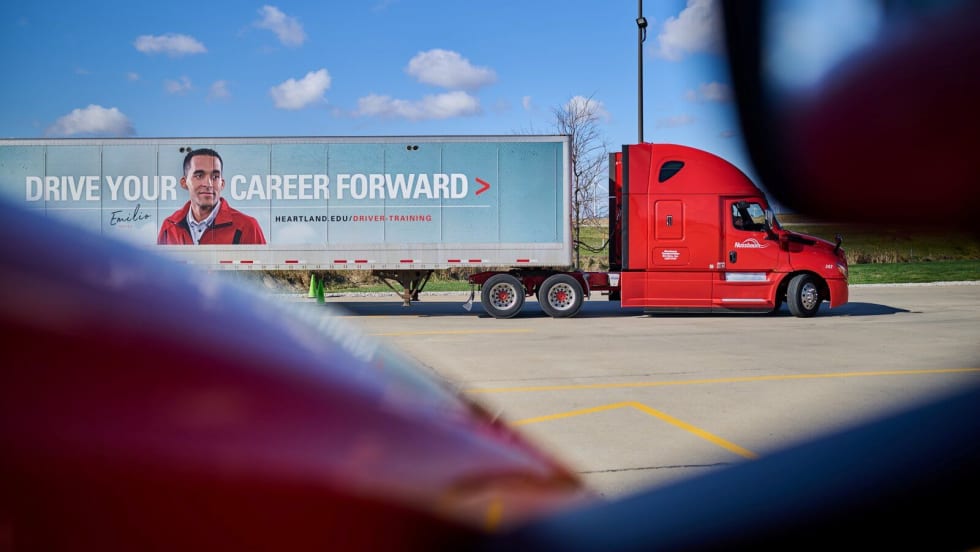
Nussbaum Expands Driver Compensation with Pay Raises, Profit Sharing
Nussbaum Transportation said its latest compensation package could push first-year driver earnings above $90,000 in key hiring markets.
Read More →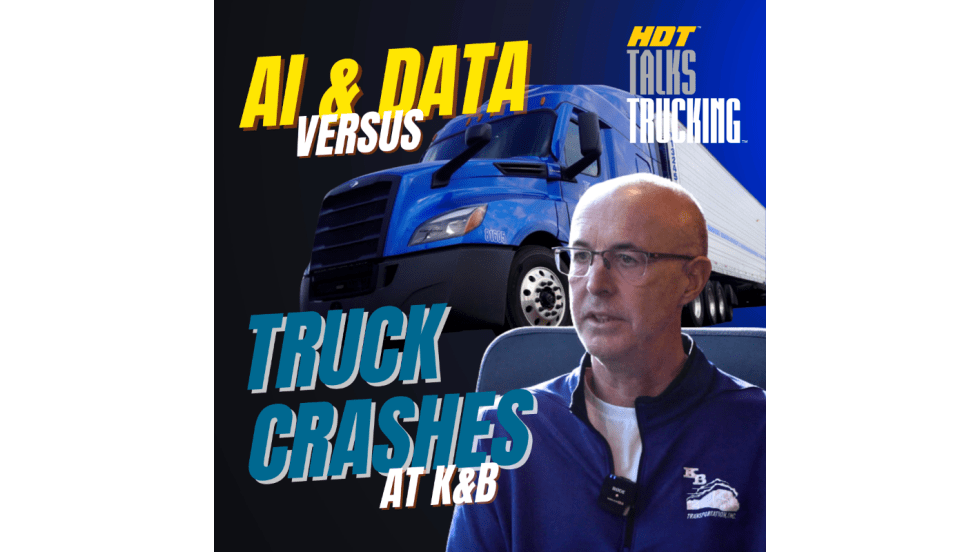
Listen: Inside Modern Fleet Safety: AI, Cameras & Speed Control at K&B Transportation
Fleet safety is evolving fast—and technology is at the center of it. Learn how a former commercial vehicle enforcement officer turned director of safety at K&B Transportation is embracing real-world safety technology.
Read More →
Maverick Announces 2026 Driver Pay Raises
New raises for Maverick Transportation drivers will take effect on May 31, 2026.
Read More →
Illinois Trucker Indicted for Nearly $22,000 in Ohio Turnpike Toll Evasion
Authorities say an Illinois trucker avoided paying tolls for two years, and now faces felony charges, possible prison time, and forfeiture of his Freightliner tractor.
Read More →