




Reports Showed Mixed Signals For Economic Recovery
Several indicators are giving mixed signals about how well the economy is performing as well as how things may look down the road
Several indicators are giving mixed signals about how well the economy is performing as well as how things may look down the road.
Thursday the U.S. Labor Department reported prices at the wholesale level fell in May, posting the largest drop in five months.
The Producer Price Index fell by 0.4%, following a 0.2% decline in April. The drop was due mainly to lower costs for gasoline and diesel fuel and was in sharp contrast to a 0.1% increase predicted by analysts.
Prices excluding food and energy were unchanged and are now 2.7% less than last May. The only product experiencing significant inflation is steel, up 4.5% in three months. This is an adjustment to the competitive protection afforded by recent higher tariffs and is now nearly complete.
"With inflation only up to 0.0%, the Federal Reserve Board can delay raising interest rates until late summer at the earliest," says Newport Communications Senior Economist Jim Haughey, "giving the economic recovery several more months to gather speed before the momemtum is slowed by rising credit costs."
However, he notes, "Zero inflation, including falling prices for many manufactured goods, is a tough environment for carriers to get freight rate increases."
Meantime, the Commerce Department reported retail sales were weaker in May, falling 0.9%, the biggest drop in six months.
However, the May decline was almost entirely due to short term volatility in a still very strong motor vehicle market and to falling prices at gas stations, says Haughey.
“Sales were unchanged at retail stores, which generate most of the consumer truck freight," Haughey says. "Soft goods continued to be relatively weak with month-to-month sales off 2.9% at clothing stores and 0.9% at department stores. Similarly, hard goods continued to be relatively strong with sales up 0.9% at furniture stores and up 2.1% at electronics/appliance stores."
Haughey notes that the first two months of the spring quarter are 3.6% higher, at an annual rate, than the first quarter.
He says, “This assures 3-4% GDP growth for the current quarter.”
These reports follow the release of the Federal Reserve’s “Beige Book” on Wednesday, in which policy makers said the recovery of the U.S. economy appears to be uneven.
Their snapshot of business activity in April and May indicates the economy has “modest but uneven growth, with some major sectors showing signs of improvement while others softened or remained weak.”
The report notes that consumer spending is holding its own, while the manufacturing sector, which has been the hardest hit by the recession, largely reported higher production levels, shipments and orders, but there were pockets of weakness.
The report will be reviewed by Fed policy makers when they meet later this month. It’s expected the news will lead to interest rates being unchanged for the time being.
More Fleet Management
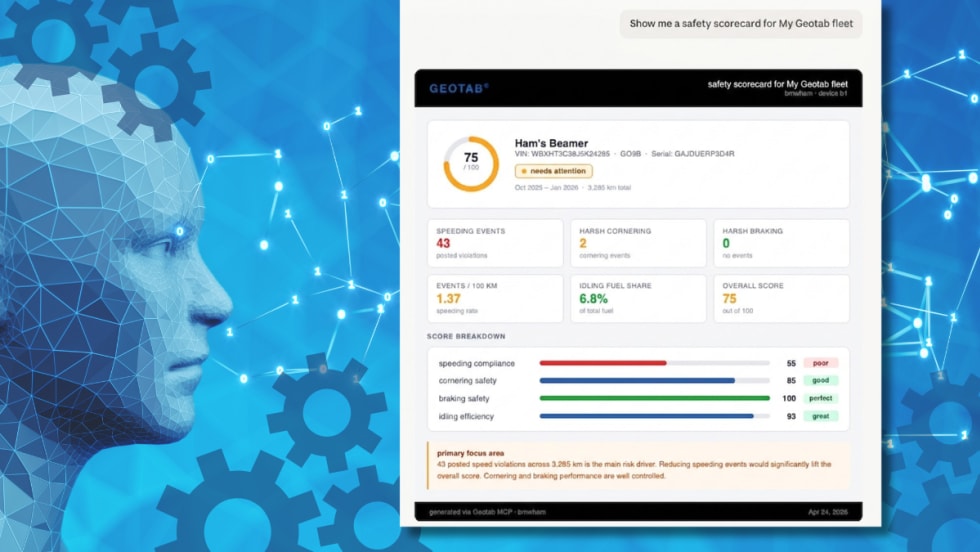
What Geotab's New AI Connector Means for Fleets
Fleets can now ask their usual AI assistants questions about maintenance, safety, fuel use, and vehicle performance, using their live Geotab data, and take action on the answers without leaving their preferred AI tool.
Read More →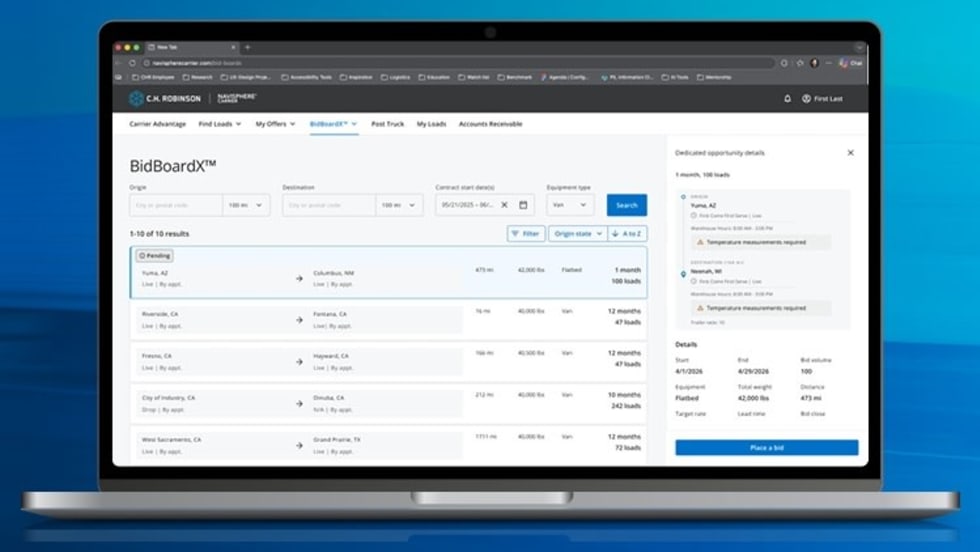
New C.H. Robinson Tool Opens Door to More Predictable Freight
BidBoardX lets carriers search, bid on, and secure committed freight opportunities through a single digital marketplace.
Read More →
New York City's Microhub Project is Delivering Results
Trucking, last-mile delivery companies, and environmental advocates like what they are seeing so far with New York's microhub program.
Read More →

Why Truck Detention Keeps Costing Fleets Time and Money
A 2024 ATRI study found detention affects nearly 40% of truckload stops and costs the industry more than $15 billion annually. Despite the toll on drivers, fleets, and supply chains, the problem remains stubbornly persistent.
Read More →
Time is Running Out to Apply for Exclusive HDT Event
Heavy Duty Trucking Exchange brings fleet managers and suppliers together for the deeper conversations that lead to ideas, partnerships, and solutions. Time is running out to apply for the September event.
Read More →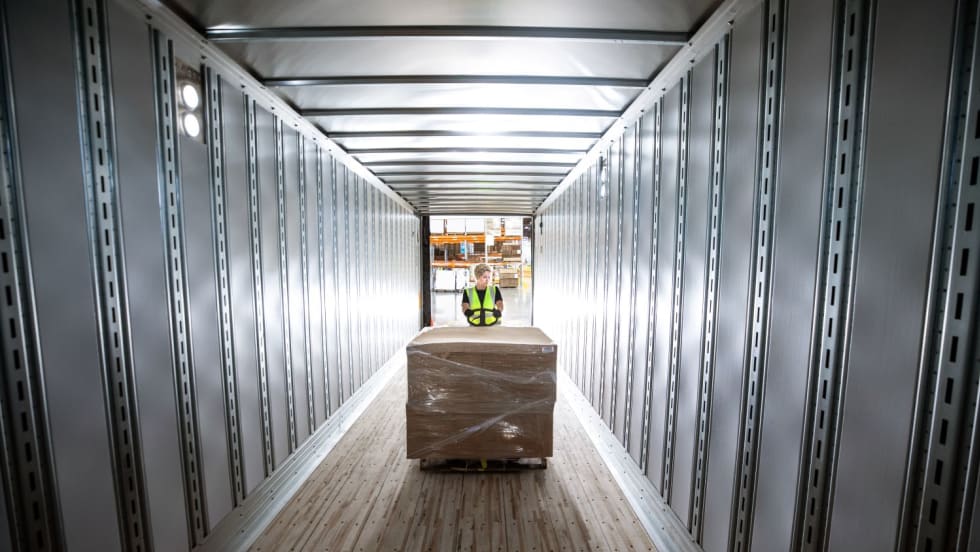
Amazon Launches Less-Than-Truckload Freight Offering for All Businesses
This launch is the latest addition to Amazon Supply Chain Services, a portfolio of supply chain capabilities from Amazon, including freight, distribution, fulfillment, and parcel shipping.
Read More →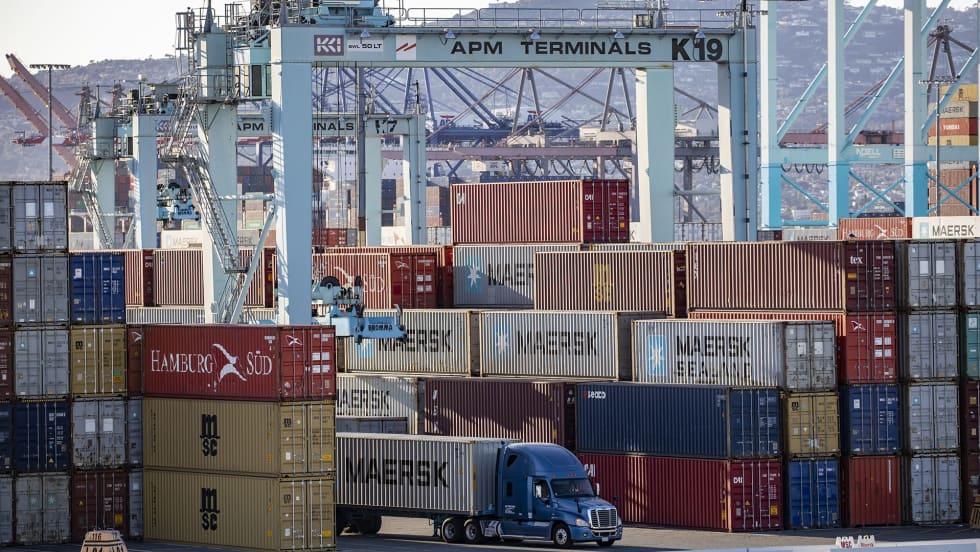
Import Cargo Volume to See Year-Over-Year Gain Again in June, Then Remain Below 2025 Levels Into Fall
After July, the report predicts a weakening in import volume as consumer uncertainty remains high and the impact of increasing inflation takes its toll.
Read More →
AUCTION OF EQUITY INTEREST IN HEAVY HAUL TRUCKING COMPANY!!
Mark your calendar: June 30, 2026 (10:00 a.m. PDT). A 37.5% ownership interest in MagnaTrans, LLC, a California limited liability company doing business as Magna Transportation Group, will be sold in an in-person and online auction to the highest bidder or bidders under Article 9 of the Uniform Commercial Code. The Rancho Cucamonga-based heavy haul and over-dimensional trucking company operates across California, Oregon, and Arizona.
Read More →
Volvo Trucks Adds Unattended Over-the-Air Software Update Capabilities
The latest evolution of Volvo’s over-the-air update technology allows software updates to run while trucks are parked, helping fleets keep vehicles current without disrupting operations.
Read More →
How Waste Connections is Using Data, Telematics, and AI
How do you manage and maintain more than 18,000 connected trucks? Data. Lots of it.
Read More →