




Urban Roads Need Plenty of Patching
It’s a bumpy ride in the city – and getting bumpier, according to a new report on the deteriorating state of America’s urban roads.

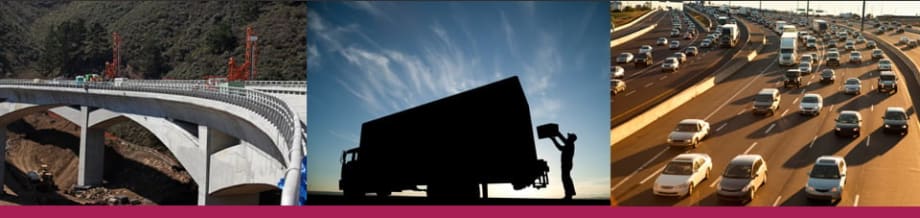
New report finds that one-third of the nation’s major urban roadways are in poor condition and could deteriorate further if road repairs are inadequately funded by local and state governments.
Photo: TRIP
It’s a bumpy ride in the city. And getting bumpier, according to a new report on the deteriorating state of America’s urban roads.
The big takeaway is that one-third of the nation’s major urban roadways — those highways and arterial roads that comprise the main routes for commuters and commerce — are in poor condition and could deteriorate further if road repairs are inadequately funded by local and state governments.
Driving on deteriorated urban roads costs motorists as much as $1,049 annually, per a new 24-page report, titled Bumpy Roads Ahead: America’s Roughest Rides and Strategies to make our Roads Smoother, released on Oct. 17 by TRIP, a private nonprofit that researches, evaluate, and distributes economic and technical data on surface transportation issues.
The report evaluates pavement conditions in the nation’s large (500,000+ population) and mid-sized (200,000-500,000 population) urban areas and calculates the additional costs passed on to vehicle operators that result from driving on rough roads, such as for increased repairs, maintenance, fuel consumption, and tire wear.
Along with studying pavement wear and tear, TRIP delved into the impact of transportation funding, travel trends and economic development on urban roads The study reveals that, in 2016, 33% of the nation's major urban interstates, freeways, and other arterial routes had pavements that were in “substandard condition and provided an unacceptably rough ride to motorists, costing the average driver $599 annually.” The nationwide annual cost to motorists of driving on deteriorated roads is pegged at $130 billion by TRIP.
TRIP made certain to factor in the impact of truck traffic on city roads and highways.” With vehicle travel growth rates returning to pre-recession levels and large truck travel anticipated to grow significantly, mounting wear and tear on the nation’s urban roads and highways is expected to increase the cost of needed highway repairs,” the report contends.
While vehicle miles of travel in the U.S. increased by 16% from 2000 to 2016 — and increased by 6% alone from 2013 to 2016 — travel by large commercial trucks in the U.S. increased by 29% from 2000 to 2016 and is “anticipated to increase by approximately 56% from 2018 to 2045, putting even greater stress on the nation’s roadways.”
What’s more, TRIP makes the key point that, “Road conditions could deteriorate further as the rate of vehicle travel continues to increase and local and state governments find themselves unable to adequately fund road repairs.”
Also according to TRIP, the Department of Transportation’s semi-annual report on the condition, use, and funding needs of the nation’s surface transportation program “found that the current backlog in needed road and highway rehabilitation is $419.5 billion and that the nation’s current $41 billion annual investment in maintaining the condition of roads and highways should be increased by 33% to $61 billion annually to improve the condition of America’s roads and highways.”
“The needs of our nation’s infrastructure continue to grow,” U.S. Chamber of Commerce Vice President of Transportation and Infrastructure Ed Mortimer said in a statement. “This report provides clear evidence that deteriorating roads are a strain on motorists and bad for the economy. “It is past time for federal lawmakers to come together to enact a long-term infrastructure modernization plan.”
TRIP Executive Director Will Wilkins noted that “some states and regional governments have begun to address their needs through recent funding increases, but it will also take action by the federal government.
“Congress,” he added, “can help by fixing the federal Highway Trust Fund with a sustainable source of user-fee based revenue.” In other words, Congress could hike the federal fuel tax on gasoline and diesel.
Related: Only Fuel Tax Hike Can Deliver on Infrastructure Promise, ATRI Says
More Fleet Management
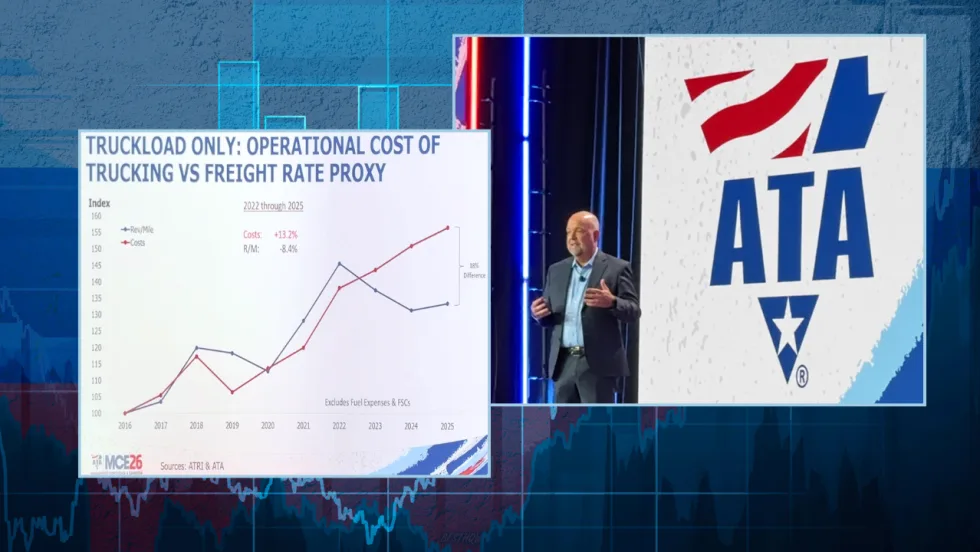
Why This Trucking Recovery Is Different
Freight demand remains sluggish, but rising costs and tougher enforcement have taken enough capacity out of the market to change the outlook for motor carriers.
Read More →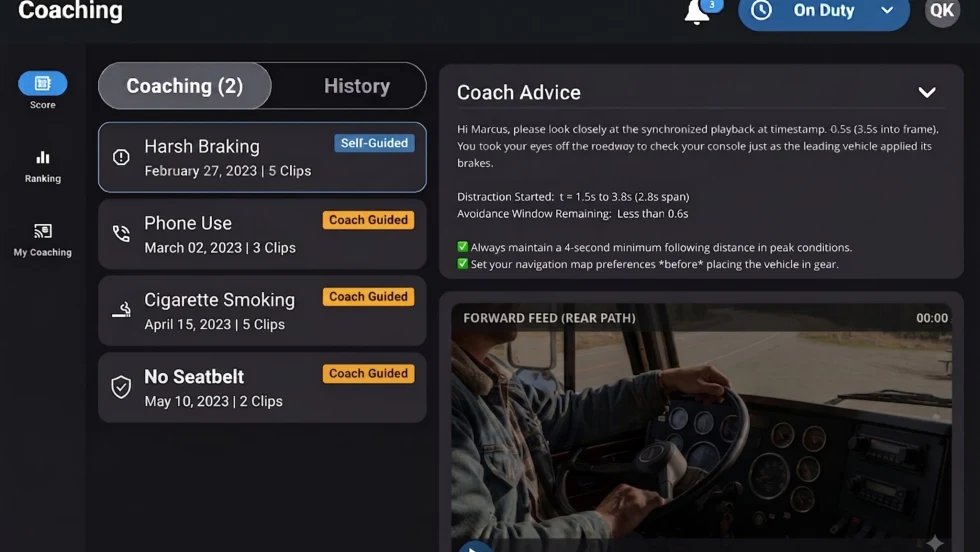
Platform Science Adds Dispatch and Safety Tools
Four additions to PS Fleet help fleets monitor loads, manage driver coaching, share truck locations and adjust video system settings.
Read More →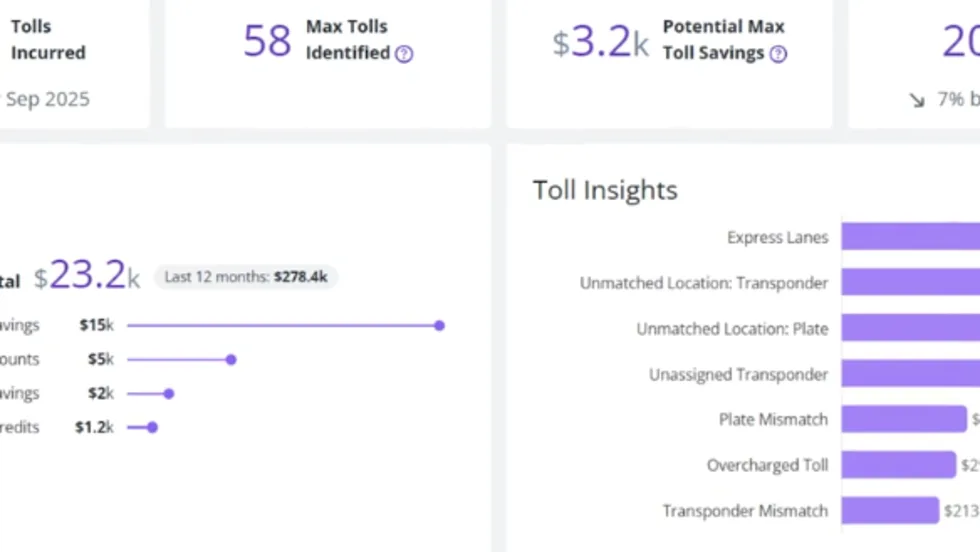
PrePass Intelligence Mines Fleet Bypass, Toll and Safety Data
PrePass Intelligence helps fleets measure bypass savings, flag potential toll overcharges, and spot suspicious transactions by combining data from separate systems.
Read More →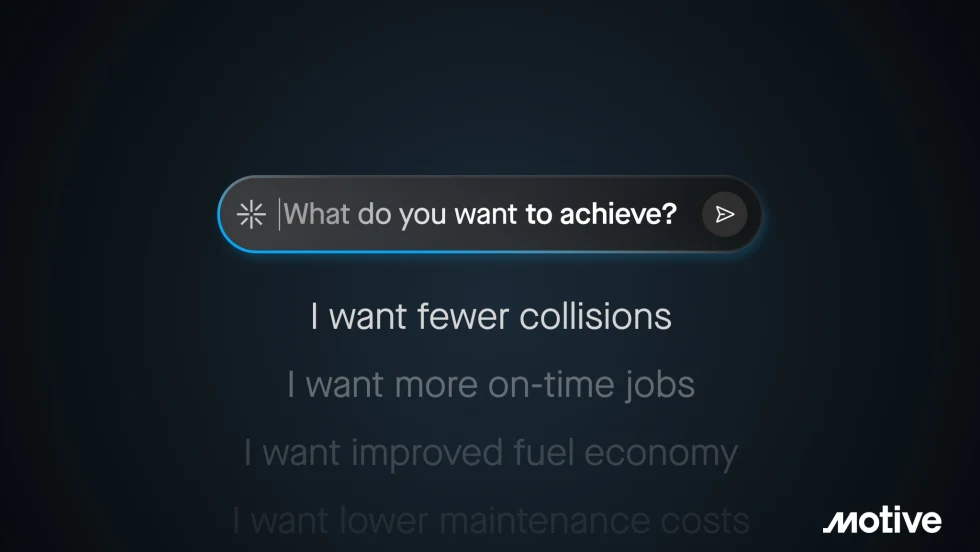
Motive Adds AI Agents for Fleet Operations
New tools automate follow-up on fleet data, from maintenance work orders to driver alerts, with two-way voice conversations planned for later this year.
Read More →
Can You Beat Our Trucking Trivia Challenge?
Test your truck knowledge with 19 trivia questions from Heavy Duty Trucking Exchange. Can you keep up with the fleet pros?
Read More →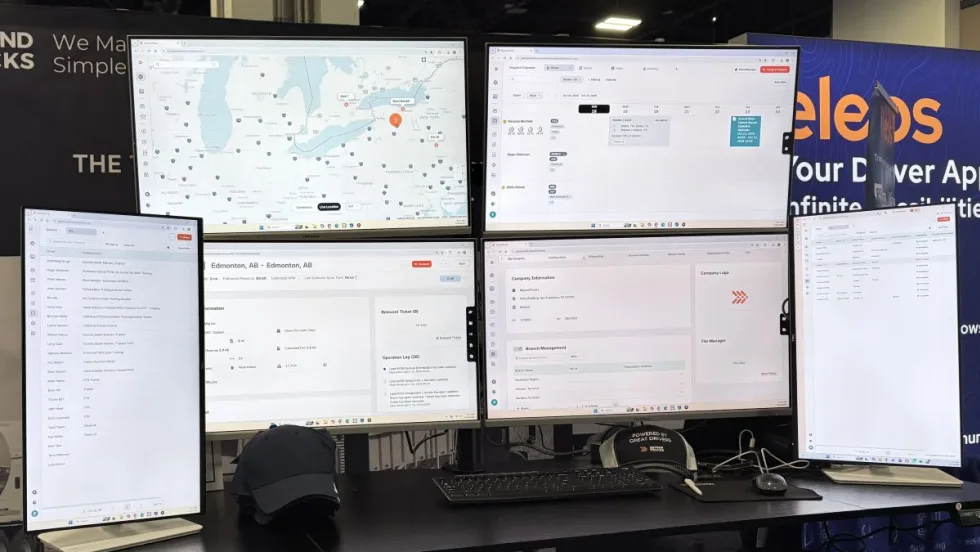
BeyondTrucks Adds Rules Checks to Dispatch
New Compatibility Engine checks driver qualifications, equipment requirements and fleet policies before loads are dispatched.
Read More →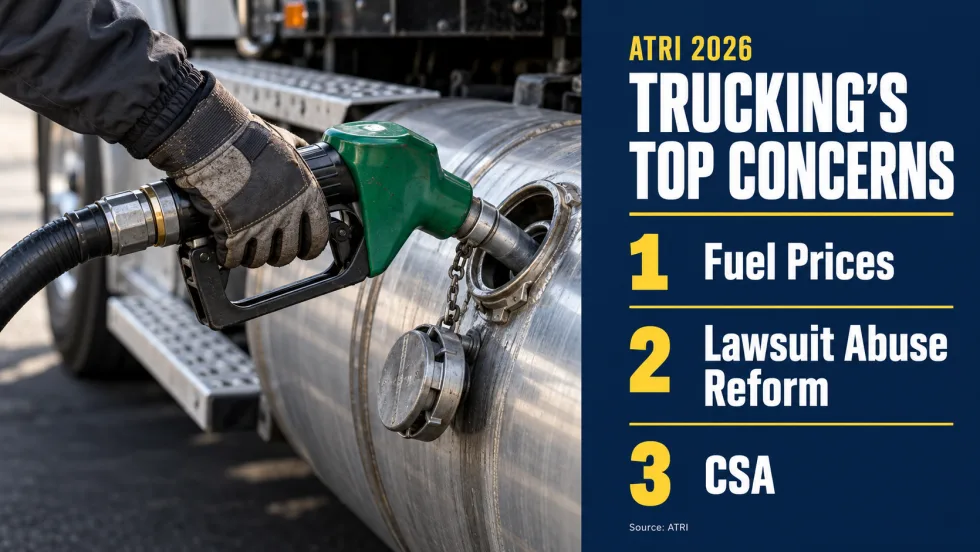
Diesel Prices Hijack Trucking’s Worry List
ATRI’s annual survey finds cautious optimism about freight, but diesel costs, litigation, and insurance continue to squeeze fleets. Drivers have different priorities on several issues.
Read More →
Nomination Deadline Extended for HDT Emerging Leaders
Just a few more days to nominate accomplished trucking fleet professionals under 40 who are making an impact and helping lead the industry forward for the HDT Emerging Leaders award. Deadline extended to October 20!
Read More →
What Will ATA’s New Leader Bring to Trucking's Table?
Incoming President and CEO Mark Colson’s record in Alabama offers clues about his priorities and approach following Chris Spear’s abrupt departure as the head of the American Trucking Associations.
Read More →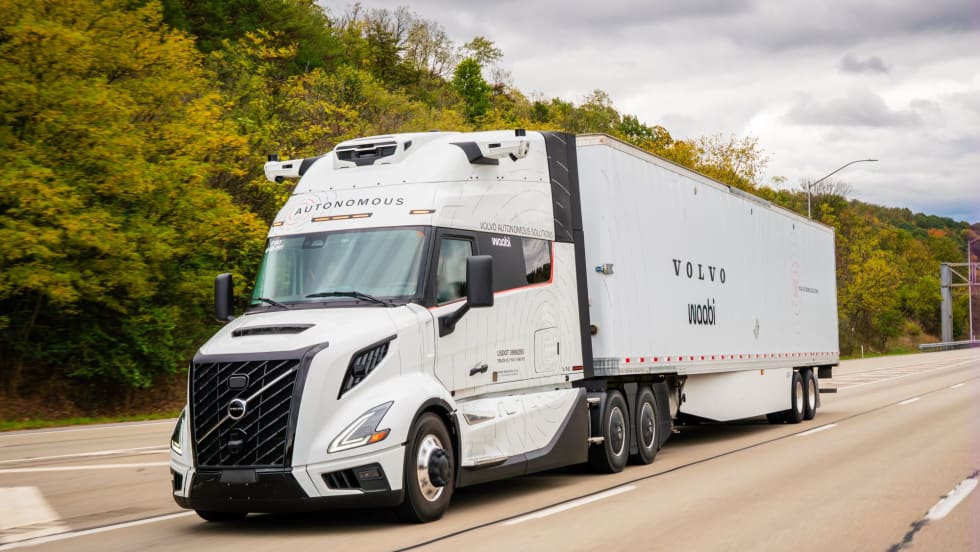
Volvo, Waabi Start Commercial Autonomous Operations in Texas
Volvo VNL Autonomous trucks, powered by the Waabi Driver, are hauling freight directly to third-party facilities for a customer in Texas.
Read More →