




Rep. Defazio Opposes Funding for Mexican EOBRs, Questions Authority to Grant Mexican Carriers Permanent Access
In a letter to U.S. Transportation Secretary, Ray LaHood, Rep. Peter DeFazio (D-OR), expressed concern of U.S. DOT funding or EOBRs for Mexican carriers participating in the pilot program
In a letter to U.S. Transportation Secretary, Ray LaHood, Rep. Peter DeFazio (D-OR), expressed concern of U.S. DOT funding or EOBRs for Mexican carriers participating in the pilot program.
DeFazio called proposal that would require American taxpayers to subsidize Mexican truck compliance with American safety standards and regulations, "simply unacceptable."
DeFazio pointed out to LaHood that under the previous pilot program, the agency spent $1.25 million on EOBRs for 27 carriers, who were allowed to keep the devices when the program ended. He also charged that under the President's FY 2012 Budget request, FMCSA said it would use $4.3 million of its general operating expenses -- which are funded through the Highway Trust Fund -- to purchase Electronic On-Board Recorders (EOBRs) for Mexican carriers, and pay for monitoring.
"It is outrageous," DeFazio said in his letter, "that U.S. truckers, through the fuel tax, will subsidize the cost of doing business for these Mexican carriers."
In the letter, DeFazio also questioned granting Mexican carriers permanent operating authority from the U.S. Department of Transportation after 18 months in the pilot program. That permanent authority would not be rescinded were Congress or the Administration to terminate the Mexican truck pilot program.
"As I have said before, three issues must be addressed in the cross-border trucking program: safety, security and job loss," DeFazio said. "I appreciate the Administration's attempt to address the very serious safety and security concerns surrounding Mexican trucks, and I am glad we are beginning to address the extortionate Mexican tariffs unfairly slapped on American goods. However, taxpayers should not have to foot the bill for the Mexican trucking industry to comply with American safety standards. It is outrageous that we would spend tax dollars to pay for equipment on Mexican trucks; equipment which either the Mexican government or the Mexican carriers themselves should be required to pay. I also question the authority to grant Mexican carriers permanent authority to operate on American roads and highways before a pilot program is complete and the results evaluated."
DOT will grant Mexican carriers the same provisional operating authority it grants any new U.S. motor carrier seeking interstate authority. After 18 months, this authority becomes permanent indefinitely, provided the carrier does not have an egregious safety record or a lapse in insurance. This permanent authority will not be revoked - even if Congress or DOT terminates the pilot program, DeFazio points out. Further, carriers who participated in the pilot program DOT launched in 2007 will get credit for the number of months they operated in the U.S. when they re-apply under this new program. This means that some carriers will receive permanent authority almost immediately.
DeFazio has asked DOT to provide a written justification of how the planned program complies with the requirements for pilot programs under section 31315 of title 49, United States Code, as well as various appropriations provisions related to cross border trucking.
Meanwhile, U.S. Trade Representative Ron Kirk has said the final agreement to end a two-year-old trucking dispute with Mexico "should be weeks, if not days" away.
At a recent lunch with reporters, the Obama administration's top trade negotiator said U.S. Agriculture Secretary Tom Vilsack and the Mexican Transportation Minister Humberto Trevino are close to signing the deal that will end a two-year standoff that has dearly cost American agriculture through retaliatory tariffs imposed by Mexico.
"This could not have been better news and it could not have happened soon enough" for California and Texas farm interests, said Kirk, a former Dallas mayor and Texas Secretary of State.
More Drivers
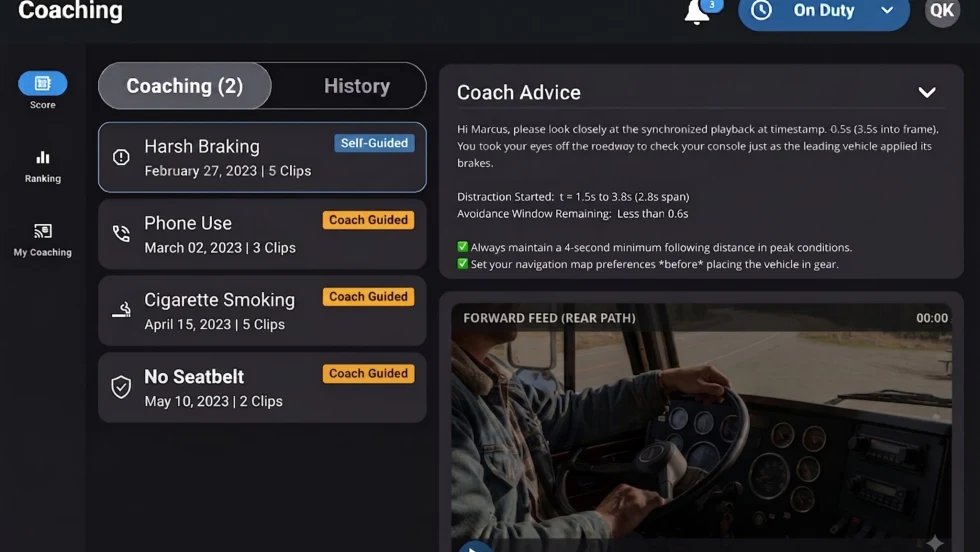
Platform Science Adds Dispatch and Safety Tools
Four additions to PS Fleet help fleets monitor loads, manage driver coaching, share truck locations and adjust video system settings.
Read More →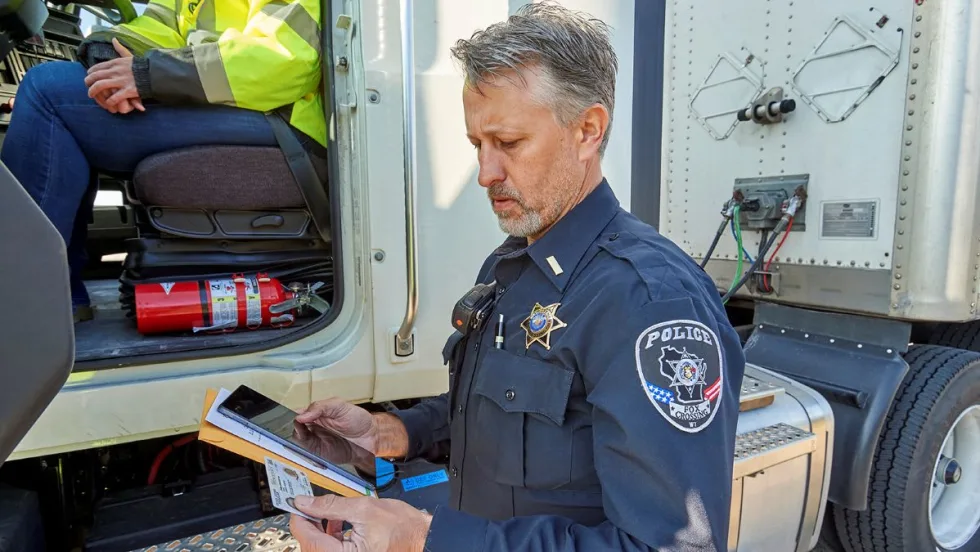
When Language Stops the Truck: The Return of ELP Out-of-Service Orders
English language proficiency rules for commercial drivers aren’t new, but renewed out-of-service enforcement has raised the stakes. Here’s what carriers need to know before a driver reaches a roadside inspection.
Read More →
Samsara Launches Custom AI Agent Builder
Agent Studio lets fleets create AI tools for hours-of-service monitoring, reporting and driver support, including agents that communicate by phone.
Read More →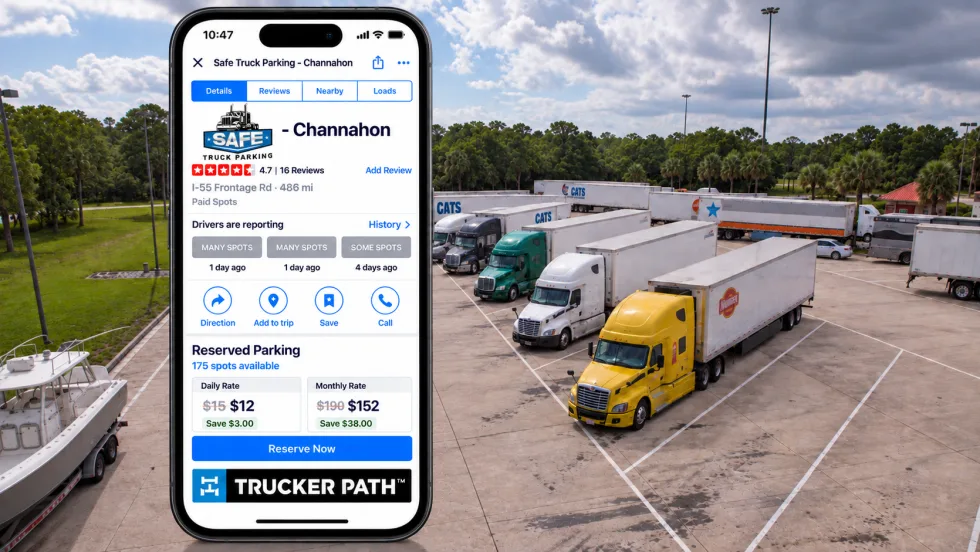
Trucker Path Expands Reserved Parking Network
Trucker Path has added close to 6,000 more truck parking spaces to its Trucker Path Reserved Parking Network with the addition of Safe Truck Parking.
Read More →
EEOC Sues Texas Trucking Company Over Driver Age Limits
The agency says Trancasa USA rejected applicants over 65 and applied tougher driving-record standards to those over 60.
Read More →
Nussbaum, Roehl Announce Second Driver Pay Increase This Year
This year has seen a swath of major truck driver pay increases as freight capacity has tightened.
Read More →
From One Generation to the Next: How Mentorship Builds Safer Truck Drivers
After three decades in trucking, Harold Perry shares what he's learned about driver safety, mentorship, and helping the next generation build confidence behind the wheel.
Read More →
Truck Drivers Need More Than Another Alert
Fleets have more visibility into truck health, safety events, and driver activity than ever. The next challenge is turning all that information into useful guidance for the person who has to decide what to do next.
Read More →
FMCSA Removes 110 Truck Driver Training Schools from Certified ELDT List
Federal regulators also are targeting more than 160 additional training providers and launching a nationwide audit of third-party CDL skills testers as part of a broader crackdown on trucking fraud.
Read More →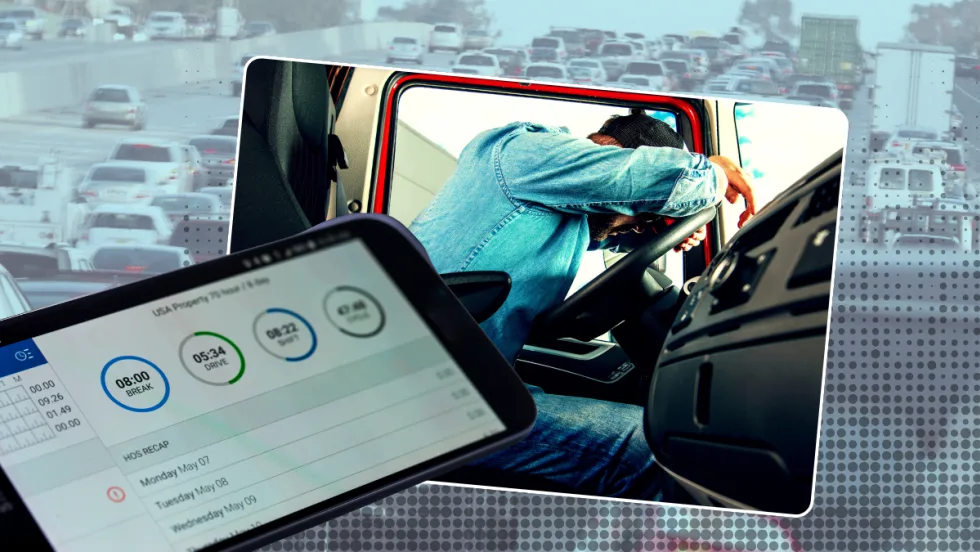
Hours of Service Pilot Programs: FMCSA Readies for 2027 Rollout
Two pilot programs could eventually reshape hours-of-service rules, giving truck drivers options to pause their 14-hour clock or use longer split sleeper rest periods.
Read More →