




Put the Brakes On Fatalities
Wednesday, Oct. 10, will be the first annual "Put the Brakes on Fatalities" Day
Wednesday, Oct. 10, will be the first annual "Put the Brakes on Fatalities" Day.
The effort is the work of a coalition of highway safety and transportation groups, including the American Trucking Associations. The day is designed to jump-start a national campaign to decrease the number of traffic fatalities, which have stagnated at about 42,000 per year. That's 115 traffic deaths each day, or one every 13 minutes.
Organizers are asking motorists to "imagine a day with zero traffic fatalities" and to focus on driving behavior to try to make it happen.
The day is the brainchild of professional engineer Larry Emig, bureau chief with the Kansas Department of Transportation. "On October 10, we want to increase our nation's awareness of traffic safety by providing people with driving tips, and by letting them know that engineering, safety, law enforcement, medical and all transportation organizations are working very hard to save lives," Emig says.
"Frankly, we can't have too many safety efforts like this," said William Canary, ATA interim president. "The large truck fatality rate is at an all-time low, and the number of truck-related fatalities had dropped for the third year in a row because our drivers work hard to make our highways safer. All drivers must make the same conscious personal effort."
Other sponsoring groups include the American Assn. of State Highway and Transportation Officials, the National Society of Professional Engineers, The Road Improvement Program, the Highway Users Alliance, The American Automobile Assn. and the U.S. Department of Transportation.
For more information, visit www.brakesonfatalities.org.
More Safety & Compliance
133 ELDs Revoked as ATA Pushes Certification Reform
FMCSA just removed a record number of electronic logging devices from its registry. ATA says it's time to rethink how ELDs get approved in the first place.
Read More →
CVSA Sets 2027 International Roadcheck Dates
The annual 72-hour truck inspection blitz will take place May 11–13 across North America. Here's what fleets can expect and what inspectors found during the 2026 event.
Read More →
FMCSA’s New Complaint Platform Makes It Easier to Report Trucking Safety Concerns
The FMCSA Complaint Center features expanded complaint categories and a name change away from the word "consumer."
Read More →
FDA Eases Path for Oral-Fluid Testing
Federal actions could advance oral-fluid drug testing for truck drivers, but lab certification delays and marijuana rescheduling questions remain.
Read More →
Kodiak Lines Up Fleets for Driverless Trucking
An agreement for 75 trucks, a new Texas freight lane, and progress on safety validation move Kodiak closer to its planned driverless highway launch.
Read More →
More Trailer Data Through the Same Seven-Way [Video]
Can trucking’s standard seven-way connector handle more cameras and trailer data? Grote’s Adam Slade shows HDT how the company is using new technology with its 4See trailer system, not only to add a new backup camera but also to expand other capabilities — without adding another connection.
Read More →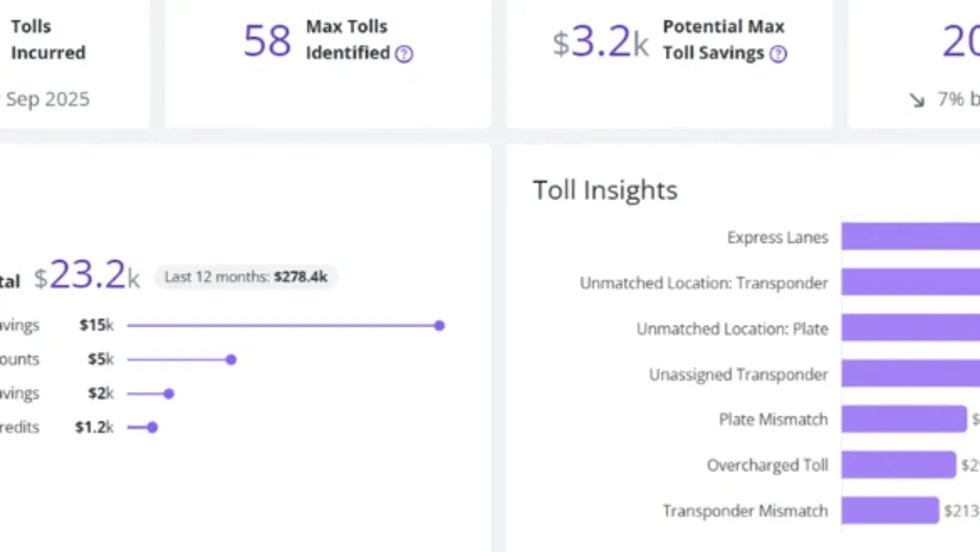
PrePass Intelligence Mines Fleet Bypass, Toll and Safety Data
PrePass Intelligence helps fleets measure bypass savings, flag potential toll overcharges, and spot suspicious transactions by combining data from separate systems.
Read More →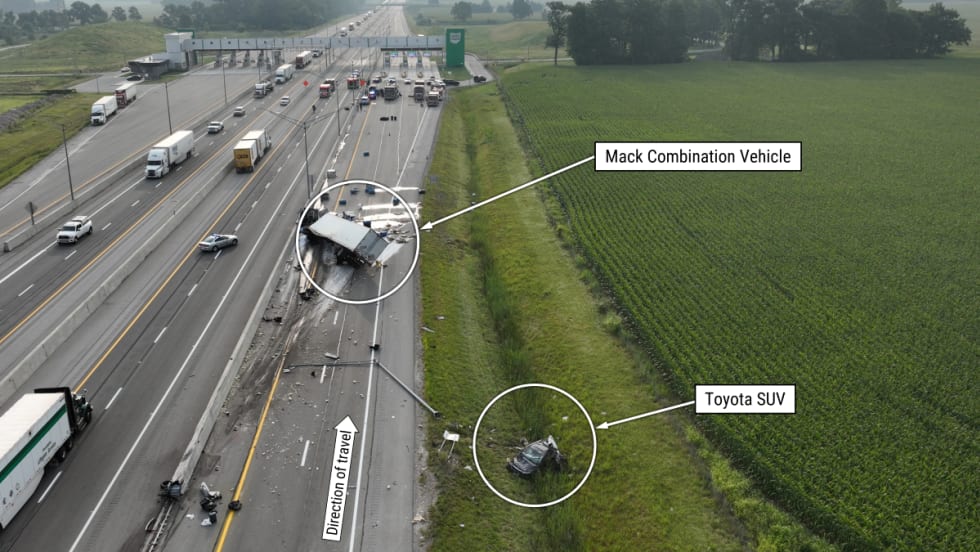
Fatal Crash Exposes Toll Plaza Risks
An NTSB investigation found that last-minute lane changes and large speed differences at an Ohio toll plaza created a hazard the truck driver couldn't avoid in time.
Read More →
When Language Stops the Truck: The Return of ELP Out-of-Service Orders
English language proficiency rules for commercial drivers aren’t new, but renewed out-of-service enforcement has raised the stakes. Here’s what carriers need to know before a driver reaches a roadside inspection.
Read More →
Marijuana and Trucking’s Drug-Testing Dilemma
Marijuana is getting stronger, laws are changing, and drug tests still can’t reliably establish impairment. What does that mean for truck drivers and the fleets that employ them?
Read More →