




PrePass Tops 200 with New Service
PrePass announced it now has 200 pre-clearance sites with the opening of Ellaville east and westbound sites on I-10 about 40 miles east of Tallahassee, Fla
PrePass announced it now has 200 pre-clearance sites with the opening of Ellaville east and westbound sites on I-10 about 40 miles east of Tallahassee, Fla.
The recently opened Ellaville sites provide participating motor carriers with additional functionality from the same PrePass transponder - the ability to bypass Florida agricultural interdiction facilities.
According to Walt Keeney, president of Food Express and chairman of HELP Inc., "It's not just for weigh stations anymore."
The new PrePass service is available to all carriers except those carrying unprocessed agricultural products. All carriers - including current PrePass customers -- must enroll in the agricultural e-clearance service separately.
Keeney continued, "This is another important demonstration of the flexibility of the PrePass technology. Now a single PrePass transponder can be used for weigh station bypass, electronic toll collection on the E-ZPass system and agricultural interdiction facility bypass." Keeney was the first PrePass customer to receive a bypass when the system began in 1995.
More than 200,000 trucks from across 48 states and two Canadian provinces currently use the PrePass system, launched in California in 1995. PrePass is operational at 200 locations in 24 states, with an additional 61 sites committed.
More Drivers

How Top Trucking Fleets Improve Driver Retention [Video]
What do healthy snacks, optimized routing, and just picking up the phone have in common? They're all strategies the Best Fleets to Drive For are using to retain truck drivers.
Read More →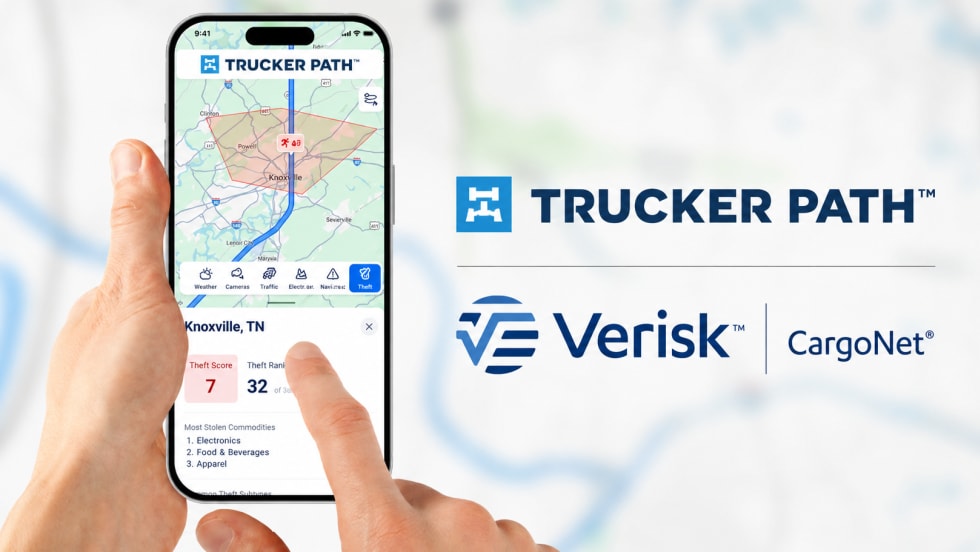
Trucker Path Adds Verisk CargoNet Theft Data to Navigation Platform
Trucker Path’s new cargo theft risk overlays give drivers and fleets visibility into high-risk areas, stolen commodity trends, and theft hotspots.
Read More →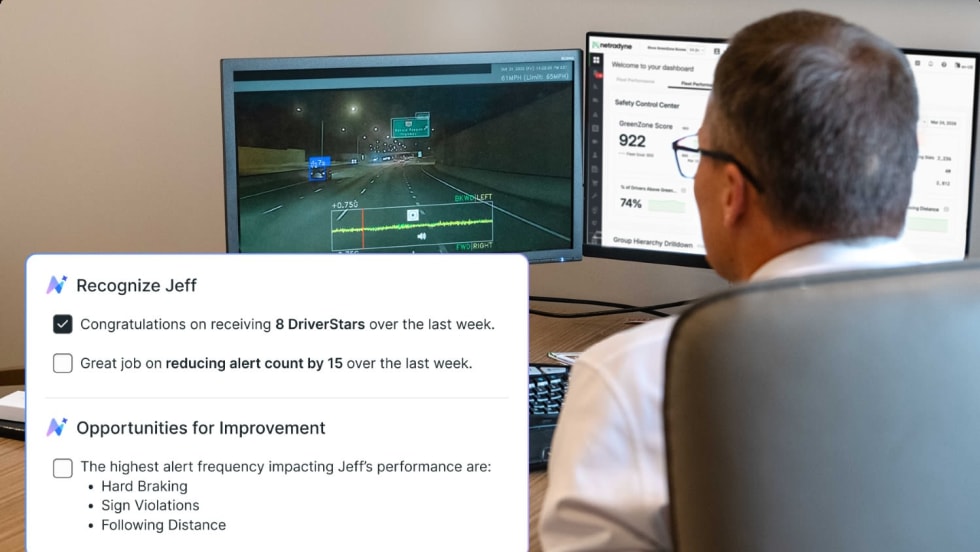
Netradyne Intelligence Uses New AI Agents to Automate Response to In-Cab Camera Data
The company called the next-generation in-cab camera safety platform "a fundamental shift from systems that report on what happened to systems that actively drive what should happen next."
Read More →
Why Truck Detention Keeps Costing Fleets Time and Money
A 2024 ATRI study found detention affects nearly 40% of truckload stops and costs the industry more than $15 billion annually. Despite the toll on drivers, fleets, and supply chains, the problem remains stubbornly persistent.
Read More →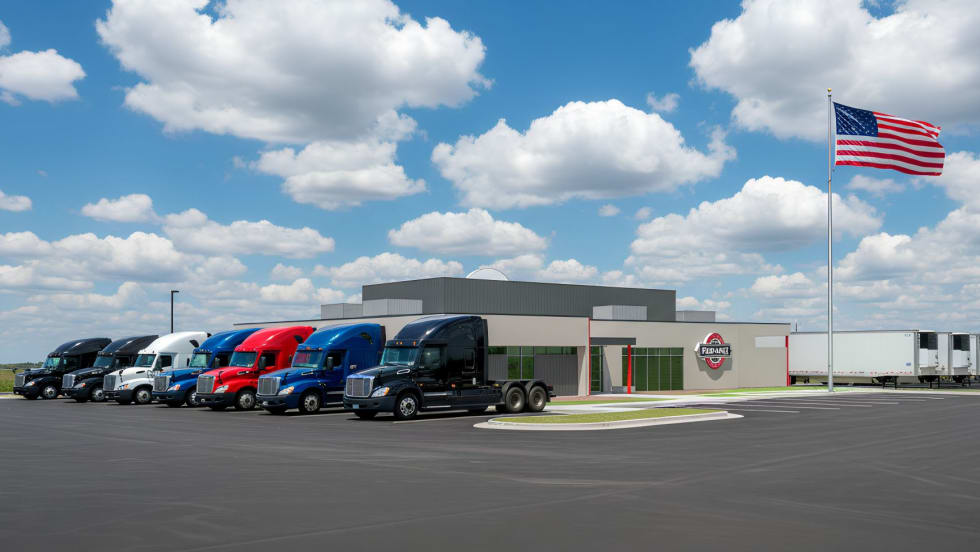
Prime Inc. to Open $7.9M Flagship Used-Truck Dealership
A new driver-focused facility to sell Prime Inc's used trucks and trailers will be the first purpose-built location in the company's history.
Read More →
Short Takes: Inside K&B’s Truck Safety Tech
Listen to learn how K&B Transportation uses cellphone-blocking technology, speed management systems, weather geofencing, bridge avoidance tools, and more to improve driver safety.
Read More →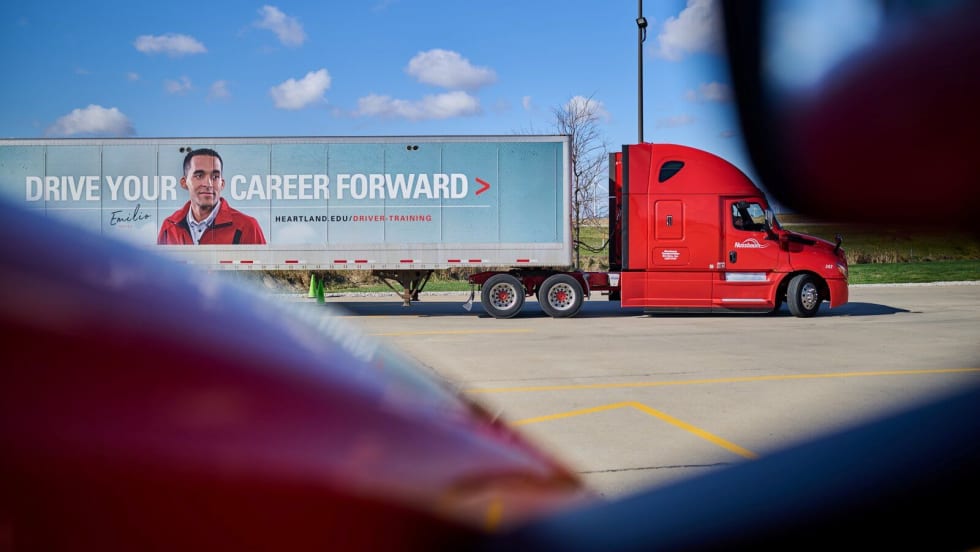
Nussbaum Expands Driver Compensation with Pay Raises, Profit Sharing
Nussbaum Transportation said its latest compensation package could push first-year driver earnings above $90,000 in key hiring markets.
Read More →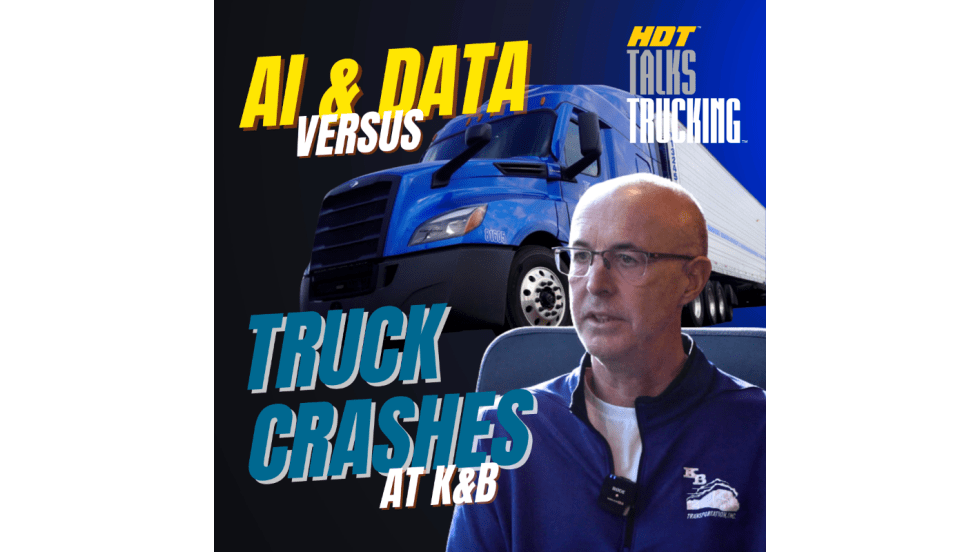
Listen: Inside Modern Fleet Safety: AI, Cameras & Speed Control at K&B Transportation
Fleet safety is evolving fast—and technology is at the center of it. Learn how a former commercial vehicle enforcement officer turned director of safety at K&B Transportation is embracing real-world safety technology.
Read More →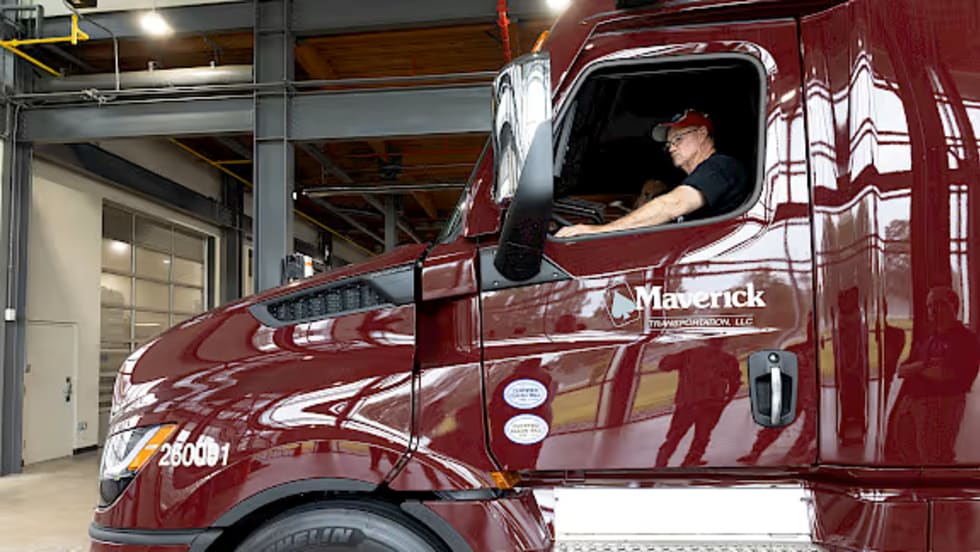
Maverick Announces 2026 Driver Pay Raises
New raises for Maverick Transportation drivers will take effect on May 31, 2026.
Read More →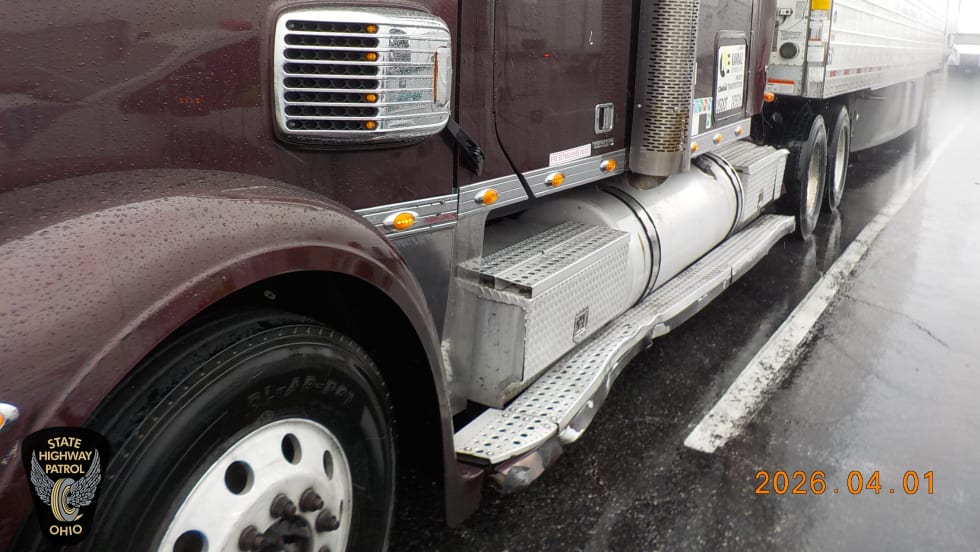
Illinois Trucker Indicted for Nearly $22,000 in Ohio Turnpike Toll Evasion
Authorities say an Illinois trucker avoided paying tolls for two years, and now faces felony charges, possible prison time, and forfeiture of his Freightliner tractor.
Read More →