




Related: Record Year for Intermodal Containers at Nation's Largest Ports
Port of Los Angeles to Get Container Staging Hub to Improve Cargo Flow
The Harbor Performance Enhancement Center has secured capital for the development of a 5.5 million square foot container staging hub at the Port of Los Angeles.
by Staff
March 30, 2018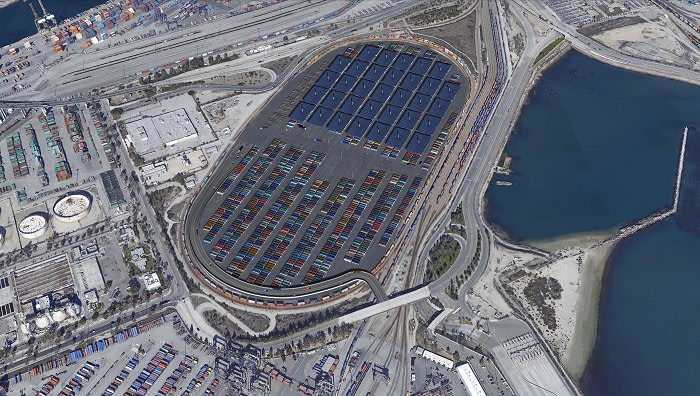
A 5.5 million square foot container staging facility at the Port of Los Angeles would help improve the flow of cargo to and from the facility. Photo: Harbor Performance Enhancement Center
2 min to read
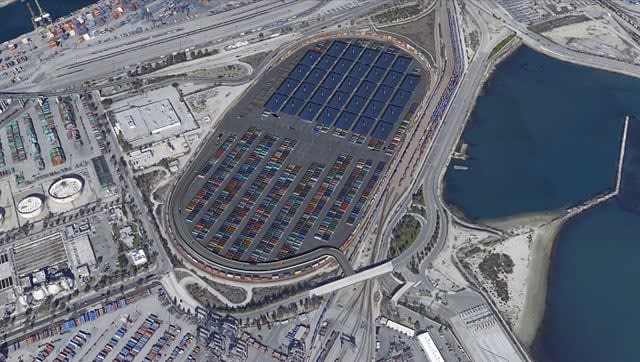
A 5.5 million square foot container staging facility at the Port of Los Angeles would help improve the flow of cargo to and from the facility.Photo: Harbor Performance Enhancement Center
The Harbor Performance Enhancement Center has secured capital for the development of a 5.5 million square foot container staging hub at the Port of Los Angeles.
The new project will transform 110 acres into the container staging facility, incorporating new technologies with the goal of addressing problems that constrain freight flow at the busiest port in the Western Hemisphere. HPEC secured capital for the project through a transaction with Macquarie Principal Finance.
When complete, the project will take 3,500 truckloads per day from nearby container terminals to the HPEC staging area. HPEC aims to improve flow, increase velocity, reduce emissions, add jobs, and increase efficiency of imported containers passing through the 14 terminals at the San Pedro complex.
The container staging facility will use a hub-and-spoke distribution model to improve efficiency, using the same system already in use by FedEx, UPS, and Yellow Freight. With its central location to the largest container terminals at the Port of Los Angeles, the project will affect critical truck-based cargo movements and potentially augment core cargo handling functions, according to HPEC.
"HPEC’s innovative approach will relieve congestion throughout the region, increase cargo velocity through the Port, lower handling costs, reduce emissions, and dramatically improve freight flow efficiencies in the San Pedro Bay complex”, said Alex Cherin, executive director of the California Trucking Association's Intermodal Conference.
"With HPEC coming online, the trucking community and its customers will have one start-stop location to pick up and drop off containers, distributing to regional hubs around the clock," Cherin added. "This is one of the most important projects in the nation and will be a real game-changer.”
More Fleet Management
Why This Trucking Recovery Is Different
Freight demand remains sluggish, but rising costs and tougher enforcement have taken enough capacity out of the market to change the outlook for motor carriers.
Read More →
Platform Science Adds Dispatch and Safety Tools
Four additions to PS Fleet help fleets monitor loads, manage driver coaching, share truck locations and adjust video system settings.
Read More →
PrePass Intelligence Mines Fleet Bypass, Toll and Safety Data
PrePass Intelligence helps fleets measure bypass savings, flag potential toll overcharges, and spot suspicious transactions by combining data from separate systems.
Read More →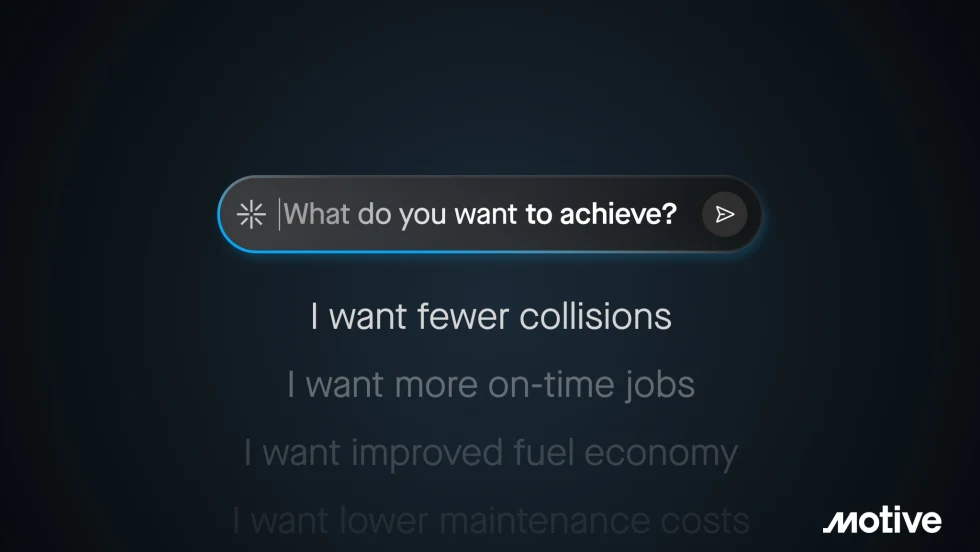
Motive Adds AI Agents for Fleet Operations
New tools automate follow-up on fleet data, from maintenance work orders to driver alerts, with two-way voice conversations planned for later this year.
Read More →
Can You Beat Our Trucking Trivia Challenge?
Test your truck knowledge with 19 trivia questions from Heavy Duty Trucking Exchange. Can you keep up with the fleet pros?
Read More →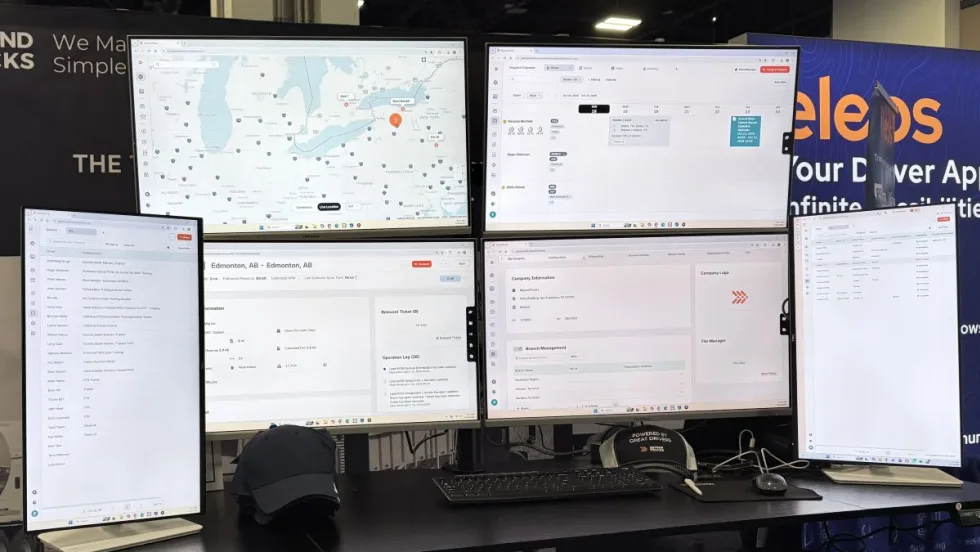
BeyondTrucks Adds Rules Checks to Dispatch
New Compatibility Engine checks driver qualifications, equipment requirements and fleet policies before loads are dispatched.
Read More →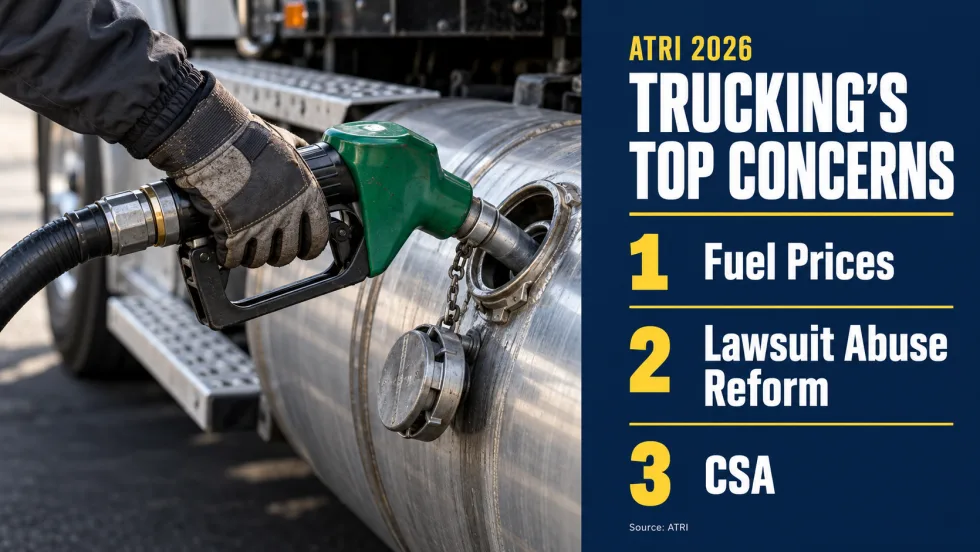
Diesel Prices Hijack Trucking’s Worry List
ATRI’s annual survey finds cautious optimism about freight, but diesel costs, litigation, and insurance continue to squeeze fleets. Drivers have different priorities on several issues.
Read More →
Nomination Deadline Extended for HDT Emerging Leaders
Just a few more days to nominate accomplished trucking fleet professionals under 40 who are making an impact and helping lead the industry forward for the HDT Emerging Leaders award. Deadline extended to October 20!
Read More →
What Will ATA’s New Leader Bring to Trucking's Table?
Incoming President and CEO Mark Colson’s record in Alabama offers clues about his priorities and approach following Chris Spear’s abrupt departure as the head of the American Trucking Associations.
Read More →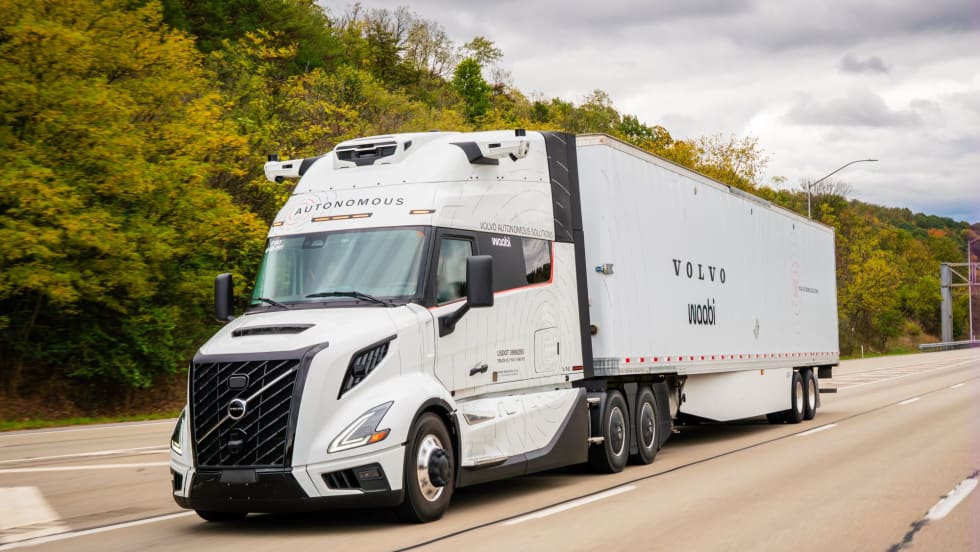
Volvo, Waabi Start Commercial Autonomous Operations in Texas
Volvo VNL Autonomous trucks, powered by the Waabi Driver, are hauling freight directly to third-party facilities for a customer in Texas.
Read More →