




Podcast: Are Autonomous Trucks a Threat to Driver Jobs?
The new acting administrator of the Federal Motor Carrier Safety Administration made headlines recently with comments about how autonomous truck technology would affect truck-driving jobs. A former DOT official, currently with an autonomous-tech company, says the jobs of current truckers are not likely to be threatened. Learn why.
March 19, 2021

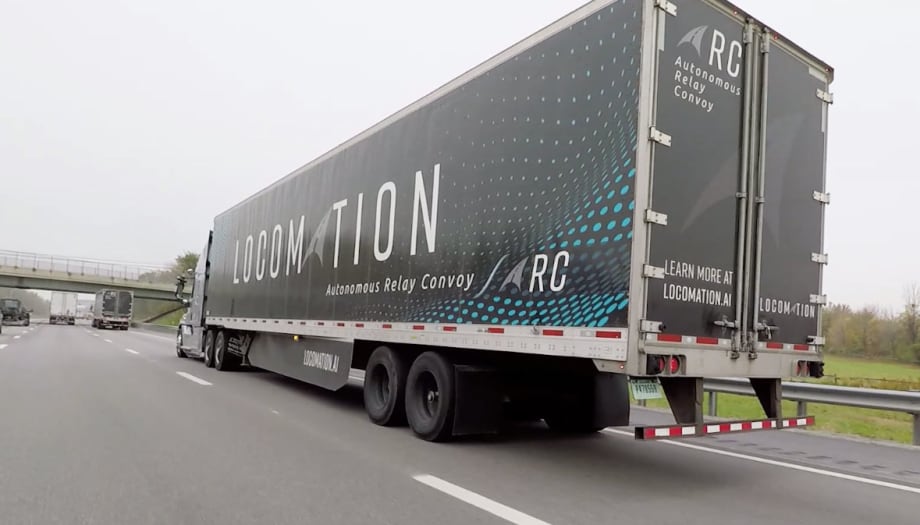
Locomation is developing a semi-autonomous convoy concept, which it calls Autonomous Relay Convoy (ARC).
Photo: Locomation
4 min to read
Meera Joshi, the new acting administrator of the Federal Motor Carrier Safety Administration, made headlines recently with her comments about how autonomous truck technology would affect truck-driving jobs, saying "there are real and broad impacts [of] automation on peoples’ livelihoods."
“I don't think that Deputy Administrator Joshi’s comments were wrong. I think the perception of them is wrong,” said Finch Fulton with Locomation, speaking with HDT Equipment Editor Jim Park on a special report edition of the HDT Talks Trucking podcast.
Fulton is vice president of policy and strategy for Locomation, a company that’s developing a different type of truck automation. Before that, he spent four years at the U.S. Department of Transportation as the deputy assistant secretary of transportation policy.
“What she said is, we can argue about scope and timeline, but what we can’t argue about is that this is a reality that there will be a major shift in workforce. And then later on, she said, if it's your livelihood that seems like it's being threatened, it's an immediate problem. So that word ‘seems’ really is where the focus is, because it can seem like it's threatened – but it probably isn't.”
In fact, Fulton contends that the jobs of current truckers are not likely to be threatened.
“If you're a truck driver today, you are unlikely to lose your job due to automation,” he said. “And there's a number of reasons why. And I think it's important people to understand that and understand why they should still be entering this profession, why it's still such a valuable profession, why there's a shortage and why, if you want to invest in your career, this is a good place to do it.”
The podcast explores why these impressions exist that self-driving trucks will have a near-term impact on truck driving as a career.
“There is no fully autonomous truck that’s ready to be deployed nationwide, especially in a version that is cost-affordable,” Fulton notes. And autonomous trucks likely will have limited application, at least at first, such as down a limited-access highway.
“There's so many things that a human does, that's common sensical that these machines aren't ready to do yet. It makes sense to keep a human as a core part of the functionality and of the safety of these operations. I think you're looking at a long progression, as long as you're keeping safety on the forefront, for the development of the systems and figuring out, truck drivers do a lot of things that machines aren't at all ready to handle.”
Fulton also pointed to the fact that the vast majority of trucking companies are small ones. “I think many people don't understand that 97% of trucking companies in the U.S. have 20 or fewer trucks; 90% operate six or fewer trucks. … The mom-and-pop trucking operations, the 97% of the trucking industry, don't have that money ready to invest in these millions and millions and millions of dollars for automated trucking equipment.” It will take quite a while for autonomous-tech trucks purchased by large fleets to filter into the used-truck market where they will be found in smaller fleets.
The podcast also explores the issue of the driver shortage. Autonomous-truck-technology proponents have pointed to the driver shortage issue as a reason for bringing in more autonomy. Locomation is developing a semi-autonomous convoy concept, which it calls Autonomous Relay Convoy (ARC). Two tractor-trailers operate in a convoy or tandem configuration (platooning). A human driver is at the wheel of the lead truck, while the following truck is operated by Locomation's proprietary fully autonomous control system.
“So as we're looking at the development of this technology, we're looking at one truck driver being able to handle two trucks, or truck drivers being able to switch loads, or to manage the autonomous network. We're talking about being able to change things so even long haul truck drivers can go home to their families every day. This is a great opportunity to make this profession better and more valuable, and get paid at a more premium rate than what we have today. So I think we can take advantage of this to reduce the truck driver shortage by making these jobs more lucrative and better for truckers today, but also to let these new technologies help deal with the shortage. So we're not talking about truck drivers losing their jobs, we're talking about truck drivers being able to handle more.”
For more of Jim Park’s conversation with Finch Fulton and other episodes, subscribe to the HDT Talks Trucking podcast on your favorite podcast platform or listen at www.truckinginfo.com/podcasts.
More Fleet Management

How Innovative Trucking Leaders Turn Change Into an Advantage
As the pace of change accelerates in trucking, the fleets that adapt best have more than the latest technology. They have cultures that embrace improvement.
Read More →
Freight Broker Bonds Just Got Harder to Get. Here's What That Means for Your Fleet.
When it gets harder for a freight broker to prove they are financially sound, the ones who cannot clear that bar get pushed out of the market. And those are exactly the brokers who used to leave motor carriers holding the bag.
Read More →
Long-Awaited Canadian Border Bridge to Open in Detroit
For trucking, the bridge opening should offer immediate improvements in efficiency and reliability, with new customs facilities, expanded inspection capacity, and direct freeway-to-freeway connections.
Read More →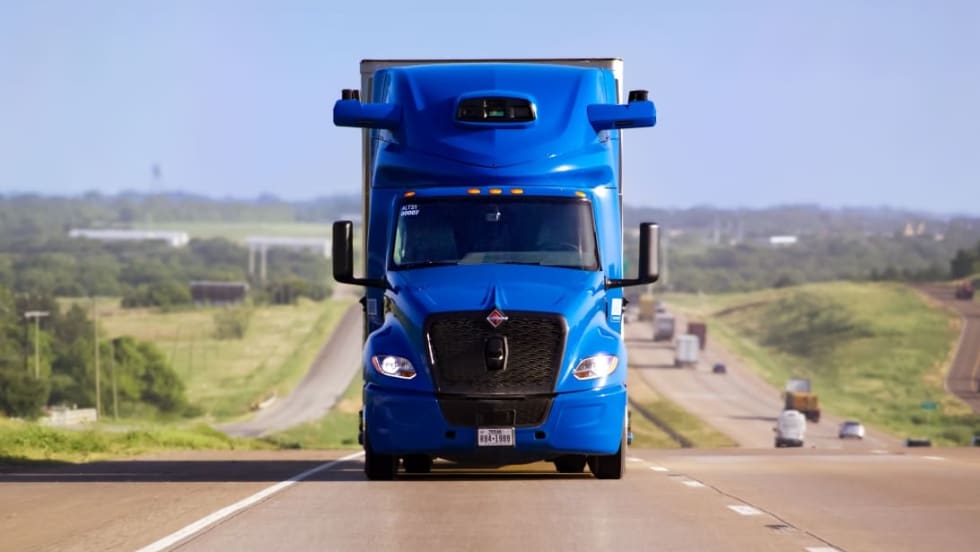
Aurora Rolls Out Next Generation of Driverless Trucks for Commercial Freight
Aurora's latest autonomous trucks it's rolling out with International feature lower-cost hardware designed for a million miles as the company expands commercial driverless freight operations across the U.S. Sun Belt.
Read More →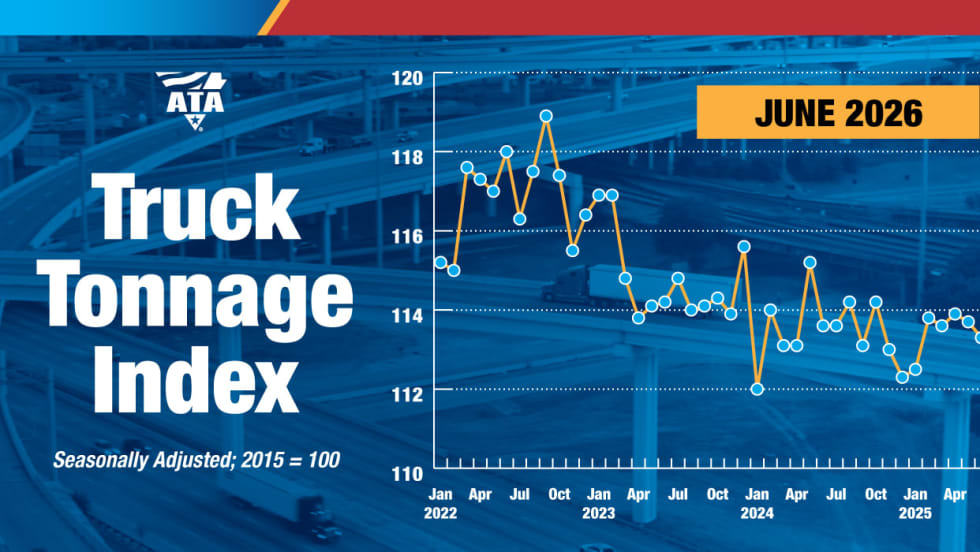
Freight Tonnage Down, Rates up, as Lower Capacity Powers Trucking Recovery
The recovery from the freight recession continues to be driven by reduction in capacity rather than by increased demand.
Read More →
Think Your Trucking Fleet Isn't Using Much AI? Think Again
Shadow AI — the use of unauthorized artificial intelligence tools at work — is becoming increasingly common, putting sensitive company data at risk. Learn how trucking fleets can protect sensitive data while embracing AI.
Read More →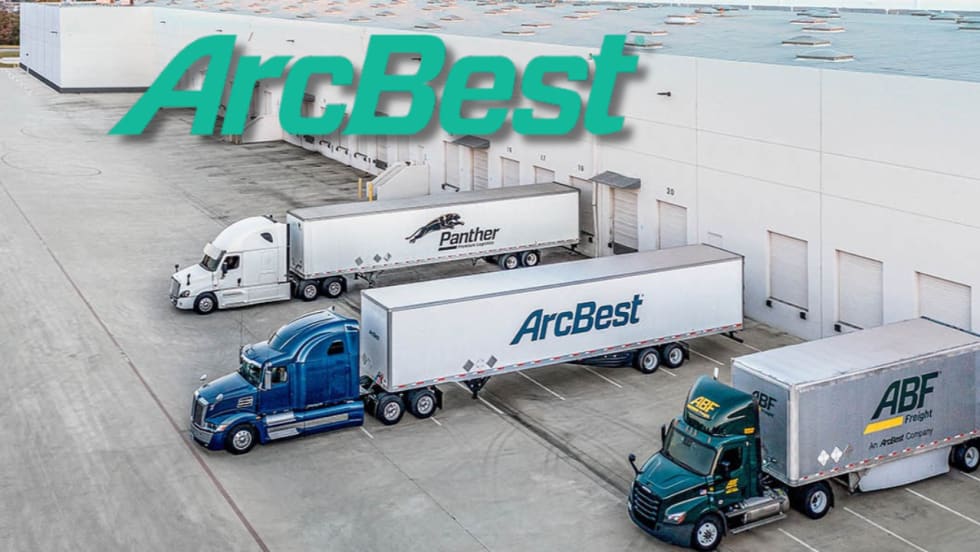
ArcBest Consolidates Brands, Cuts Workforce
The company will bring three business units under the ArcBest brand, eliminate about 2% of positions, and expects the changes to generate $40 million in annual savings.
Read More →
Trucking Fleets Faced Record Operating Costs During Third Year of Freight Recession
ATRI's annual operational cost report shows carriers trimmed fleets, delayed equipment purchases, and ran older trucks as expenses continued to outpace freight rates.
Read More →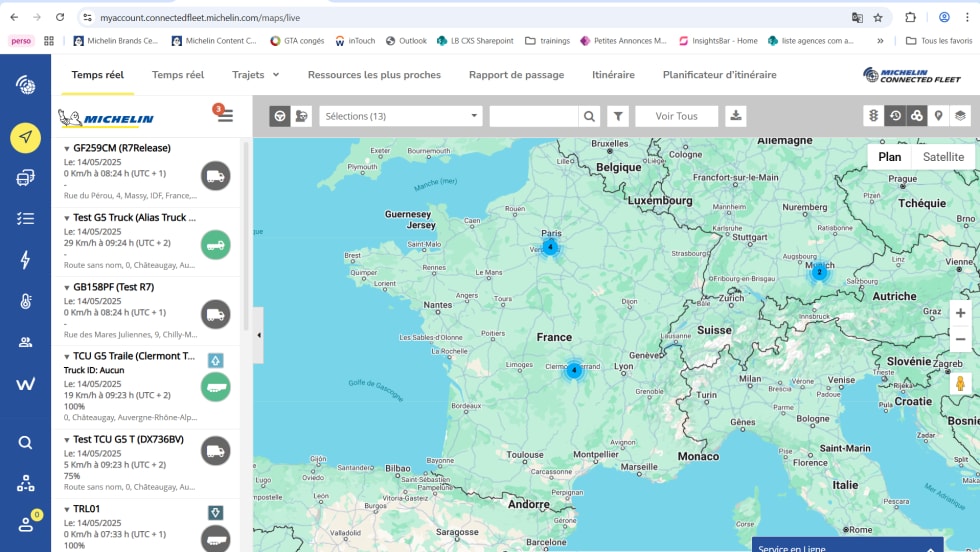
Michelin Adds AI Assistant to MyConnectedFleet Platform
Michelin’s new generative AI tool delivers instant fleet insights, helping managers analyze fuel use, tire maintenance, vehicle status, and operational performance without manually creating reports.
Read More →
LytxOne Platform Now Features AI, Compliance, and Asset Tracking Tools
New enhancements add AI-powered insights, asset tracking, compliance automation, and configurable privacy controls to Lytx's all-in-one fleet management platform.
Read More →