




Plans By YRC Freight To Close Facilities Reportedly Delayed
The latest plan by nationwide less-than-truckload carrier YRC Freight to improve its financial and operational picture has been slowed.

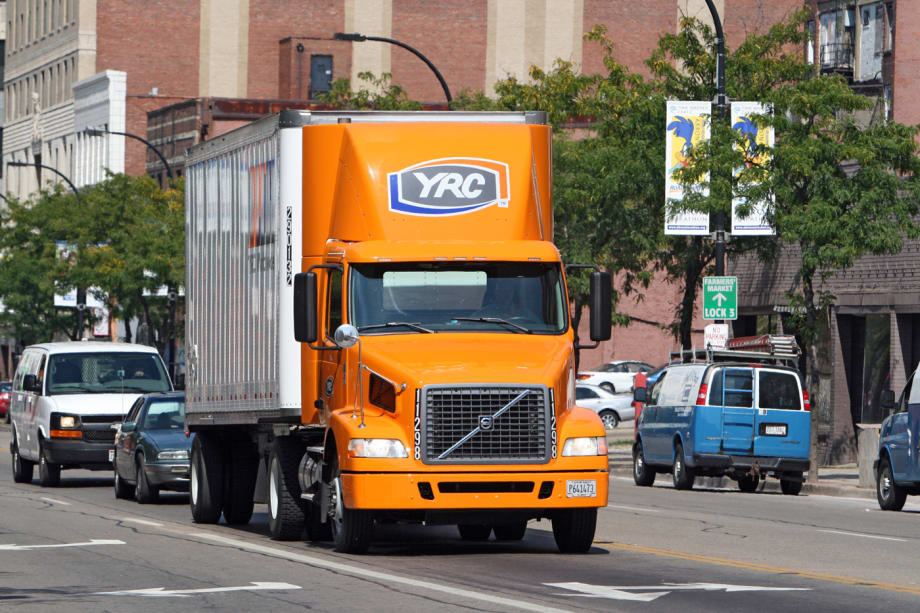
The latest plan by nationwide less-than-truckload carrier YRC Freight to improve its financial and operational picture has been slowed.
On Monday the company announced it would soon be in talks with the Teamsters Union about closing three distribution centers and 29 terminals. It’s estimated the change would eliminate more than 200 net jobs.
YRC hoped to begin meetings as soon as next week, ahead of a May implementation. However, the union reportedly wants more time to look over the plan.
The union's dissident group, Teamsters for a Democratic Union, says no meetings are planned for this month or next month, calling the plan “even bigger and badder than expected.”
On its website, TDU said, “The International union today informed local unions via a faxed memo that there are substantive and procedure issues with the change to be reviewed, and directed locals not to schedule meetings with the company regarding the change.”
However, in a statement issued Tuesday, parent company YRC Worldwide said a formal hearing on the matter is set to take place next month. Jeff Rogers, president of YRC Freight, called the plan a move to sustained profitability for the carrier. Since merging the operations of Yellow Freight and Roadway several years ago, YRC has been plagued by huge financial losses, though conditions have improved lately, with YRC Worldwide reporting positive annual operating income for the first time in six years.
A meeting between the company and the union is required as part of the labor contract between the two sides, including to get feedback from the Teamsters. However, the union doesn’t have much control, because the company's contract allows YRC to make changes in operations without a vote by union members.
More Fleet Management

Color Match Smarter: Tools That Restore & Perform
For fleet managers and collision repair professionals keeping heavy-duty trucks on the road, getting the color right the first time isn't just about appearance — it's about efficiency, turnaround time, and bottom-line results. Discover how today's digital color tools are transforming the repair process from guesswork to precision.
Read More →
FMCSA Pauses Biennial-Update Enforcement Amid Motus Transition
Carriers whose updates were due on or after June 1 have more time, while FMCSA works to stabilize its new registration system and warns of phishing sites impersonating its new carrier registration system, Motus.
Read More →
2026 Blueprint for Countering Smarter Supply Chain Theft
Cargo theft is no longer just the cost of doing business. It's a multi-billion-dollar criminal enterprise exploiting vulnerabilities across your fleet, drivers, and supply chain.
Read More →


How Telematics Improves Visibility, Control, and Performance in Refrigerated Fleets
Explore how telematics help refrigerated fleets improve visibility, uptime, efficiency, compliance, and cargo protection across connected cold chain operations.
Read More →
What the U.S.-Canada Trade War Means for Trucking
Escalating U.S.-Canada tariffs could disrupt cross-border freight, reduce truck volumes, raise costs, and create new uncertainty for carriers on both sides of the border.
Read More →
What Are Trucking’s Top Concerns for 2026?
The American Transportation Research Institute wants to know what's worrying trucking fleet managers, drivers, and other stakeholders in its annual Industry Issues survey.
Read More →
American Trucking Associations Looks for a New Leader
ATA President and CEO Chris Spear abruptly left his job at the association on August 21, at a pivotal time for the trucking industry.
Read More →
Public Wi-Fi Cybersecurity Risks: How Truck Drivers and Fleets Can Protect Their Data
Public Wi-Fi can expose truck drivers and fleets to credential theft, malware, and other cyber threats. Here’s how to reduce the risk on the road.
Read More →
For Nicky Cupp, Fleet Innovation Starts With Frustration
HDT Truck Fleet Innovator Nicky Cupp turns everyday pain points at Fraley & Schilling into opportunities for better technology and smarter processes.
Read More →
Adam Buttgenbach’s Approach to Electric Trucks: Start With Where They Fit
HDT Truck Fleet Innovator Adam Buttgenbach helped PepsiCo build one of North America’s largest EV fleets by focusing on where electric trucks make operational sense.
Read More →