




Peterbilt Introduces Medium-Duty CNG Platform
Peterbilt has introduced two new medium-duty vehicles -- the Model 337 and the Model 348 -- powered by compressed natural gas (CNG). Both vehicles are in production and can be configured as trucks or tractors.
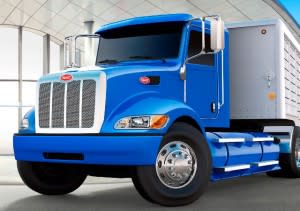
Photo: Peterbilt Motors Company
Photo: Peterbilt Motors Company
Peterbilt Motors Company introduced two new medium-duty vehicles -- the Model 337 and the Model 348 -- powered by compressed natural gas (CNG) during this week's Mid-America Trucking Show. Both vehicles are now in production and can be configured as trucks or tractors.
“Peterbilt is the established market leader in natural-gas powered Class 8 commercial vehicles and we’re pleased to bring this expertise to medium-duty markets,” said Darrin Siver, Peterbilt general manager and PACCAR vice president. “Peterbilt’s award-winning medium-duty trucks – renowned for their versatility, quality and performance – are now available for customers who want to operate with cost-effective, environmentally sound CNG. This is an ideal choice for dump, refuse, and short- and regional-haul operations.”
According to Scott Newhouse, Peterbilt Chief Engineer, the new medium-duty models are optimized for this configuration with 110-inch BBCs.
“The CNG Models 337 and 348 give Peterbilt the industry’s most competitive portfolio of natural-gas vehicles,” Newhouse said. “The dimensions provide a BBC two inches shorter than any competitive model and a cab height that is 2.5 inches lower.”
Newhouse said the optimized spec, including steering geometry that provides up to a 50 degree turning angle, provides improved maneuverability in congested city and jobsite operations.
Both the Models 348 and 337 are powered by the Cummins Westport ISL-G with 320 hp and 1,000 lb.-ft. of torque. The engine complies with EPA 2010, 2013 and CARB emissions regulations, according to the company.
More Equipment

How GP Transco Cuts Trucking Fuel Costs, a Tenth of a Gallon at a Time
What’s another tenth of a mile per gallon worth? GP Transco shares how equipment upgrades and driver coaching turn small gains into meaningful fuel savings.
Read More →
Electric Yard Tractors Move Beyond Pilots
Operating-cost savings have overtaken sustainability goals as the leading reason surveyed fleets are adopting battery-electric terminal tractors, according to new NACFE research.
Read More →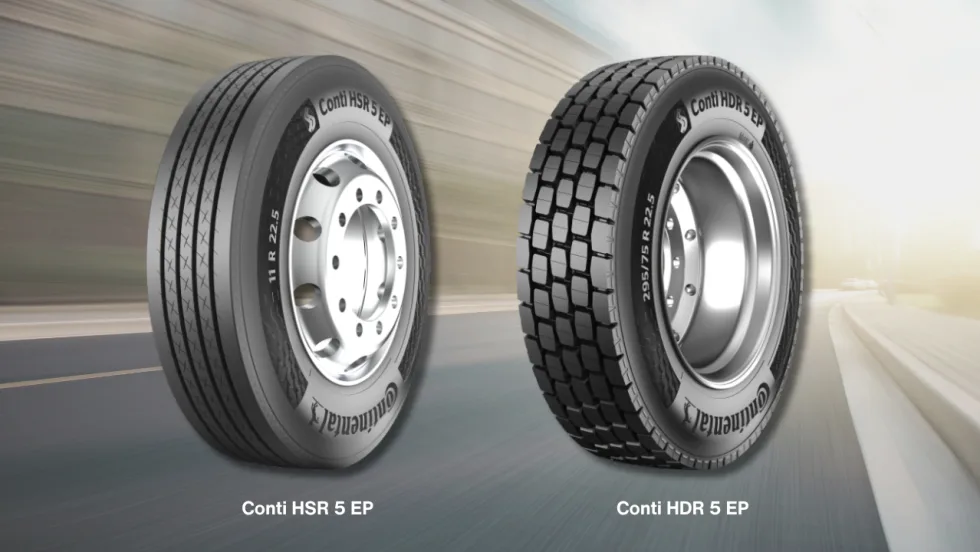
Continental Introduces New Regional Truck Tires
Continental says its new Generation 5 steer and drive tires for regional operations offer longer tread life, with estimated mileage gains of 22% and 19%, respectively.
Read More →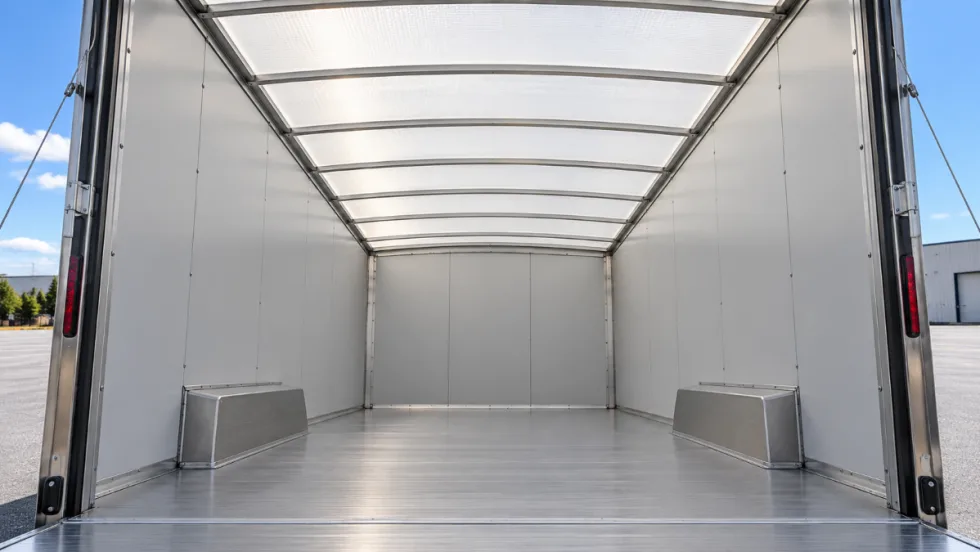
Tekmodo Introduces CargoBright Brand for Translucent Trailer Roofs
CargoBright is designed to diffuse daylight across the cargo area while performing as a working vehicle roof.
Read More →
Fleet Economics Shape Electric Truck Outlook
ACT Research expects costs, charging infrastructure, and technology improvements to drive zero-emission commercial vehicle adoption as federal regulations and incentives retreat.
Read More →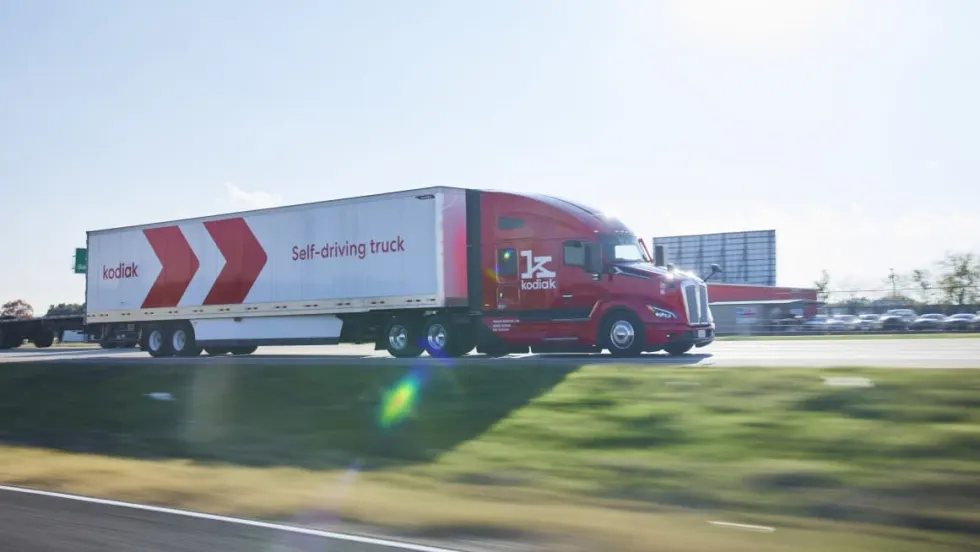
Kodiak Targets Dallas–Houston for Driverless Trucks
The company says its autonomous trucks are completing the I-45 run without a safety observer taking control. It plans to remove the observer by the end of 2026.
Read More →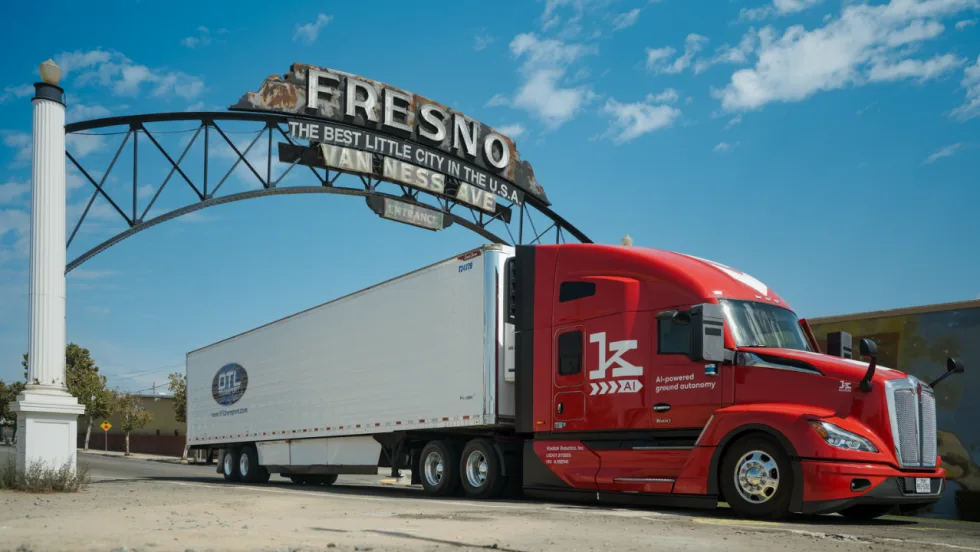
Kodiak Hauls Produce in California Autonomous Truck Pilot
Kodiak AI and DTL Transport have begun hauling produce between Fresno and Los Angeles under California’s new rules for testing heavy-duty autonomous trucks. A safety driver remains behind the wheel.
Read More →
Used-Truck Remarketing Math Is Changing
Used-truck value is no longer just a concern at trade-in. Decisions made throughout a truck’s first life can influence what it’s worth years later.
Read More →
How Volvo Updated Its D13 for EPA 2027 [Watch]
Volvo’s updated D13 promises lower emissions without sacrificing performance or fuel economy. Take a closer look at what changed inside the engine in this HDT Spotlight video.
Read More →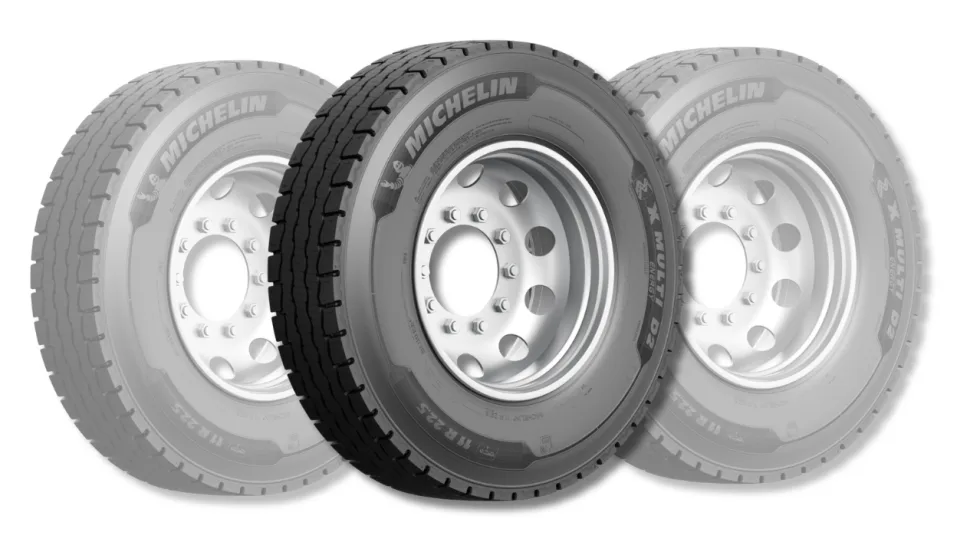
Michelin Tire Improves Efficiency and Durability for Regional Fleets
The Michelin X Multi Energy D2 is a regional haul drive tire engineered to help fleets improve fuel efficiency, durability and traction in demanding stop-and-go operations.
Read More →