




Pennsylvania Turnpike Considering Cutting Speed Limit for Trucks
Lower speed limits for big rigs could be coming to the Pennsylvania Turnpike as soon as next year if officials have their way
Lower speed limits for big rigs could be coming to the Pennsylvania Turnpike as soon as next year if officials have their way.
According to published reports, turnpike officials are concerned over safety in the mountainous areas where truck traffic is heavy on the 512-mile roadway, also known as Interstate 76.
“Over the past couple of years, I've become increasingly concerned, as have colleagues, about speeding,” turnpike commissioner Jim Dodaro told the Pittsburgh Post-Gazette. “I'd like to see the speed limit lowered to 55 mph for everyone from the Ohio line to Breezewood. At the very least, I'd like to see split speeds of 55 for trucks and 65 for cars. Safety is the bottom line."
To explore Dodaro's idea, the turnpike commission has hired HNTB Architects-Engineers-Planners of Philadelphia to conduct an $80,000 analysis of speeds, accidents, safety and signs on the stretch of roadway.
The group will study the impact on traffic of the phased reconstruction of the original 160 miles of the highway between Irwin and Carlisle.
Turnpike Executive Director John Durbin predicts that once the study is complete, lower speed limits, at least for truckers, will be coming to western Pennsylvania.
Any proposed changes in speed limits would likely go into effect in the spring of 2001, he said.
More Drivers

From One Generation to the Next: How Mentorship Builds Safer Truck Drivers
After three decades in trucking, Harold Perry shares what he's learned about driver safety, mentorship, and helping the next generation build confidence behind the wheel.
Read More →
Truck Drivers Need More Than Another Alert
Fleets have more visibility into truck health, safety events, and driver activity than ever. The next challenge is turning all that information into useful guidance for the person who has to decide what to do next.
Read More →
FMCSA Removes 110 Truck Driver Training Schools from Certified ELDT List
Federal regulators also are targeting more than 160 additional training providers and launching a nationwide audit of third-party CDL skills testers as part of a broader crackdown on trucking fraud.
Read More →
Hours of Service Pilot Programs: FMCSA Readies for 2027 Rollout
Two pilot programs could eventually reshape hours-of-service rules, giving truck drivers options to pause their 14-hour clock or use longer split sleeper rest periods.
Read More →
Medical Cards, English Proficiency Reshape Roadcheck Violations
Medical-card violations jumped to the top of the driver out-of-service list during CVSA’s 2026 International Roadcheck, while English-language proficiency violations appeared among the leading violations for the first time.
Read More →
Driver Trust Can Make or Break the Success of Fleet Safety Technology
New Teletrac Navman research suggests that onboarding, transparency about driver data, and positive feedback can play a significant role in how commercial drivers respond to safety and coaching technology.
Read More →
EEOC Sues KLLM Over Alleged Sex Discrimination in Driver Training
KLLM is facing a federal sex-discrimination lawsuit over policies the EEOC alleges put female truck driver trainees at a disadvantage.
Read More →
FMCSA Moves to Codify English Language Requirements for Commercial Drivers
By changing regulations on English-language proficiency requirements for commercial drivers, rather than relying on a guidance memo, the FMCSA said future administrations won't be able to walk back the Trump administration's stricter enforcement with just a memo.
Read More →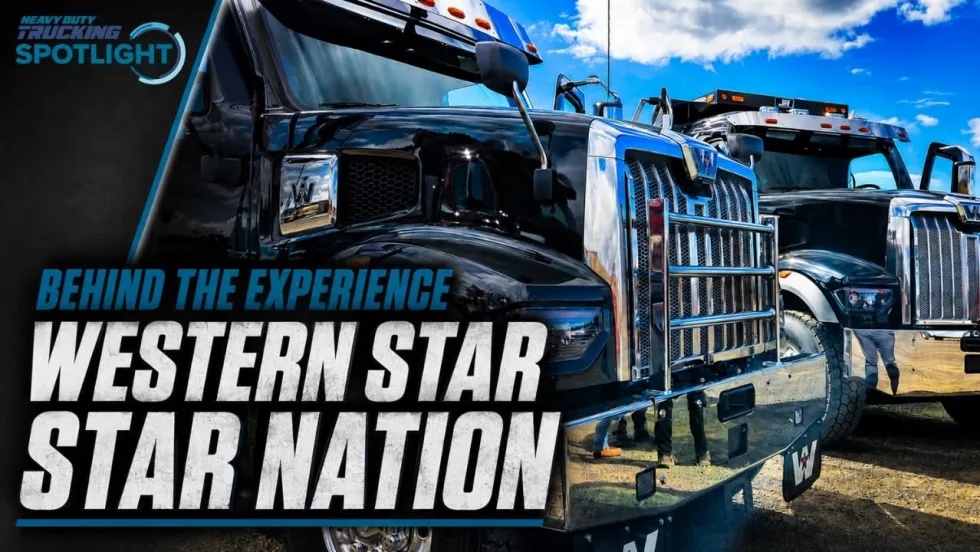
Drivers Put Western Star Trucks to the Test at Star Nation Experience
Watch to get an inside look at the Western Star trucks, technology, and community behind the Star Nation Experience 2026!
Read More →
Trump Administration Looks to Put More Veterans Behind the Wheel
The Freedom Haulers program pulls together existing and expanded programs at several federal agencies to recruit veterans to drive commercial heavy-duty trucks and cut the red tape for them to get a CDL, training, and employment.
Read More →