




Pennsylvania To Implement Increased License Security
It looks like Pennsylvania will be a step ahead of many other states in implementing a new federal law requiring security checks and fingerprinting of hazmat drivers
It looks like Pennsylvania will be a step ahead of many other states in implementing a new federal law requiring security checks and fingerprinting of hazmat drivers.
Gov. Mark Schweiker announced in his February radio address that several steps are being taken to enhance driver's license security. Most significantly, he has directed the Pennsylvania Department of Transportation to conduct criminal history checks and fingerprint all truck drivers who are issued a hazardous materials endorsement on their commercial driver's license. In his radio address, he said this was consistent with the requirements of the U.S. Patriot Act.
The Patriot Act, passed last fall, had many state licensing officials throwing up their hands. Some said they would stop issuing hazmat endorsements at all because they did not have systems in place to comply with the new law. The Federal Motor Carrier Safety Administration stepped in and issued an interpretation saying the law would not take effect until the agency wrote specific regulations. Since then, the FMCSA has been working closely with state officials to develop workable rules. Those regulations are expected to be released within the next two weeks and go into effect sometime in May.
In addition, Schweiker, said, he ordered the DOT to:
implement more random inspections of hazardous materials trucks;
work with the General Assembly to create stiffer penalties for identity fraud;
closely scrutinize immigration documents of non-U.S. citizens to guarantee validity;
ensure that expiration dates for non-U.S. citizen driver's licenses will expire on the same day their immigration visa does; and
work closely with states across the country to improve and standardize driver's licenses and ID card procedures.
"A license isn't just a card we hand to a police officer during a traffic stop," Schweiker said. "Let's face it, these 2-inch-by-3-inch cards are not just pieces of plastic we keep in our wallet. They are about people, they are about identification, and even more so they are about security."
For more on new hazmat licensing regulations, see the March issue of RoadStar or Heavy Duty Trucking magazine.
More Drivers

Platform Science Adds Dispatch and Safety Tools
Four additions to PS Fleet help fleets monitor loads, manage driver coaching, share truck locations and adjust video system settings.
Read More →
When Language Stops the Truck: The Return of ELP Out-of-Service Orders
English language proficiency rules for commercial drivers aren’t new, but renewed out-of-service enforcement has raised the stakes. Here’s what carriers need to know before a driver reaches a roadside inspection.
Read More →
Samsara Launches Custom AI Agent Builder
Agent Studio lets fleets create AI tools for hours-of-service monitoring, reporting and driver support, including agents that communicate by phone.
Read More →
Trucker Path Expands Reserved Parking Network
Trucker Path has added close to 6,000 more truck parking spaces to its Trucker Path Reserved Parking Network with the addition of Safe Truck Parking.
Read More →
EEOC Sues Texas Trucking Company Over Driver Age Limits
The agency says Trancasa USA rejected applicants over 65 and applied tougher driving-record standards to those over 60.
Read More →
Nussbaum, Roehl Announce Second Driver Pay Increase This Year
This year has seen a swath of major truck driver pay increases as freight capacity has tightened.
Read More →
From One Generation to the Next: How Mentorship Builds Safer Truck Drivers
After three decades in trucking, Harold Perry shares what he's learned about driver safety, mentorship, and helping the next generation build confidence behind the wheel.
Read More →
Truck Drivers Need More Than Another Alert
Fleets have more visibility into truck health, safety events, and driver activity than ever. The next challenge is turning all that information into useful guidance for the person who has to decide what to do next.
Read More →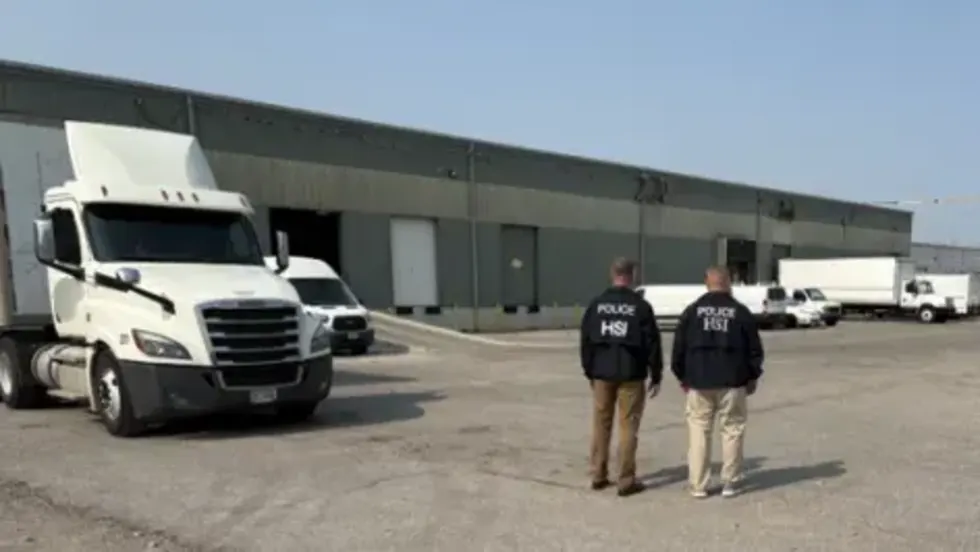
FMCSA Removes 110 Truck Driver Training Schools from Certified ELDT List
Federal regulators also are targeting more than 160 additional training providers and launching a nationwide audit of third-party CDL skills testers as part of a broader crackdown on trucking fraud.
Read More →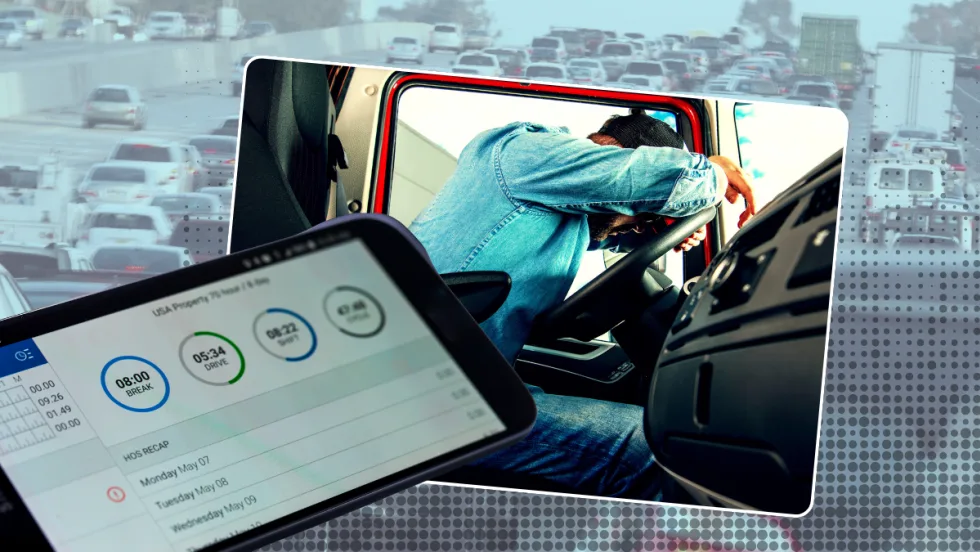
Hours of Service Pilot Programs: FMCSA Readies for 2027 Rollout
Two pilot programs could eventually reshape hours-of-service rules, giving truck drivers options to pause their 14-hour clock or use longer split sleeper rest periods.
Read More →